PCPIR Investment Data Signals Continued Indian Petrochemical Derivative Capacity Growth
Investment data from India’s Petroleum, Chemicals and Petrochemicals Investment Regions (PCPIRs) reveals a consistent upward trend in manufacturing capacity. The steady addition of new chemical units signals robust momentum in the production of petrochemical derivatives and downstream processing. This expansion is transforming India into a critical hub for specialized chemical intermediates and finished polymers.
For global procurement managers, this data point is a clear indicator of shifting supply dynamics. It suggests that India is moving beyond basic raw material production into higher-value added manufacturing. Understanding this trajectory helps buyers identify reliable sources for complex chemical products and secure long-term supply agreements.
The growth is not random. It is driven by strategic government incentives, improved infrastructure and increasing global demand for diversified supply chains. Companies are investing heavily in facilities that can convert basic feedstocks into specialized derivatives used in automotive, packaging and construction industries.
The Shift Toward Downstream Processing
Historically, India’s chemical sector focused on producing basic bulk chemicals. The current investment wave marks a decisive shift toward downstream processing. This involves converting primary petrochemical outputs like ethylene and propylene into more complex derivatives such as glycols, alcohols and specialty polymers.
This vertical integration offers several advantages for buyers. It reduces dependence on imported intermediates and shortens lead times. Local production of derivatives ensures greater control over quality and consistency. It also lowers logistics costs by minimizing the need for multiple international shipments.
Key areas of downstream growth include:
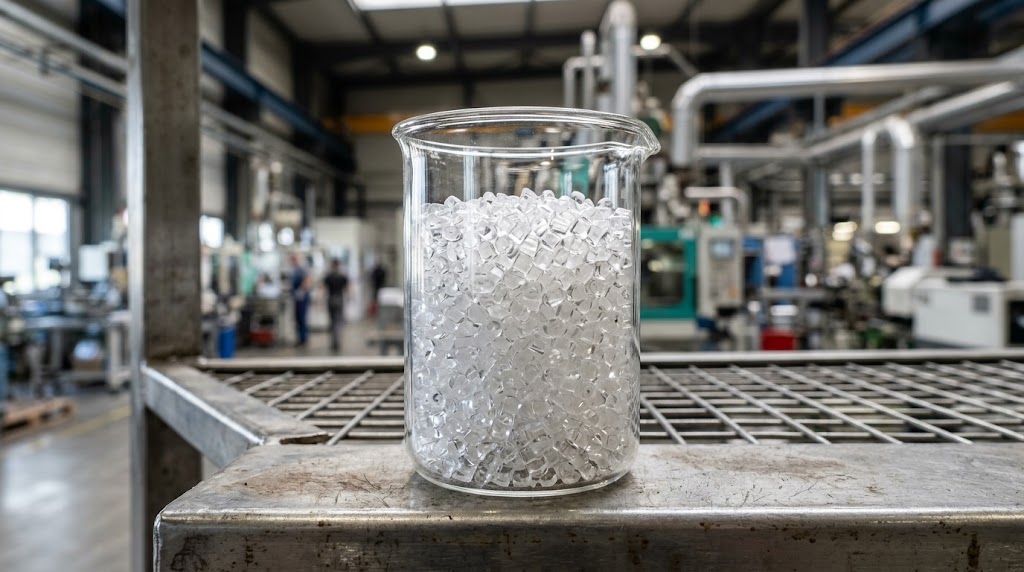
Polymer Compounding: Creating customized plastic blends for specific industrial applications
Specialty Solvents: Producing high-purity solvents for pharmaceutical and coating industries
Surfactants and Intermediates: Manufacturing essential components for detergents and personal care products
Engineering Plastics: Developing high-performance materials for automotive and electronics sectors
This diversification allows Indian manufacturers to compete directly with established producers in Europe and Asia. It provides global buyers with viable alternatives for critical materials.
Infrastructure Drivers in PCPIR Zones
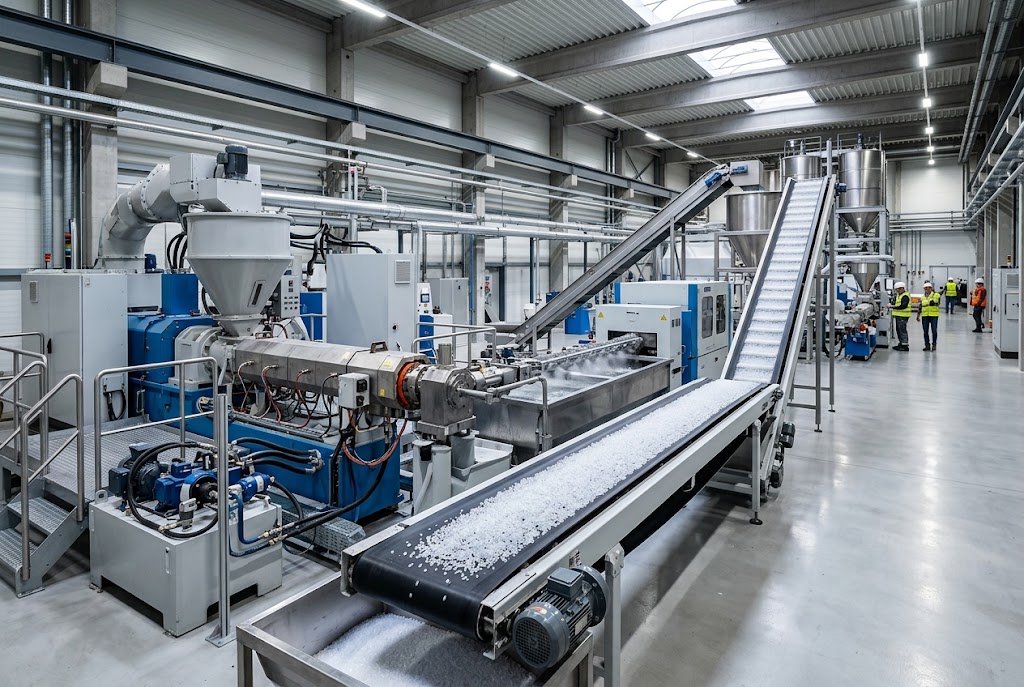
The success of downstream processing depends heavily on reliable infrastructure. PCPIR zones provide the necessary foundation for these capital-intensive operations. Dedicated power supplies, water treatment facilities and pipeline networks enable continuous production at scale.
The integration of these utilities reduces operational risks for manufacturers. It allows them to focus on process optimization rather than managing basic service reliability. For buyers, this translates into more consistent product availability and fewer supply disruptions.
Logistics infrastructure within these zones is also improving rapidly. Dedicated freight corridors connect manufacturing plants directly to major ports. This seamless connectivity ensures that finished derivatives can reach global markets quickly and cost-effectively.
Impact on Global Supply Chain Resilience
The expansion of petrochemical derivative capacity in India enhances global supply chain resilience. Buyers who have traditionally relied on single-source regions now have a credible alternative. This diversification mitigates risks associated with geopolitical tensions, trade disputes or regional disruptions.
Procurement teams are increasingly viewing India as a strategic partner rather than just a low-cost source. The combination of technical capability, scale and regulatory compliance makes it an attractive option for long-term sourcing. Building relationships with Indian derivative producers can provide a competitive advantage in terms of flexibility and innovation.
Furthermore, the growth in downstream capacity supports the development of local expertise. Engineers and technicians gain experience in advanced processing technologies. This human capital development ensures that Indian manufacturers can meet evolving global quality standards.
Quality Standards and International Compliance
As India moves into higher-value derivatives, adherence to international quality standards becomes paramount. Manufacturers in PCPIR zones are increasingly obtaining certifications such as ISO, REACH and FDA approval. This alignment with global norms simplifies the qualification process for international buyers.
Regulatory oversight within these zones is stricter than in traditional industrial areas. Environmental monitoring and safety protocols are enforced rigorously. This reduces the risk of compliance issues for buyers importing these materials into regulated markets.
Buyers should still conduct thorough due diligence. Verify specific certifications for each product line. Request audit reports and quality control data to ensure consistency. Engaging with suppliers who prioritize transparency builds trust and ensures long-term partnership success.
Competitive Pricing and Value Proposition
The scale of production in PCPIR zones drives significant cost efficiencies. Lower energy costs, favorable labor rates and government incentives contribute to competitive pricing. These savings are passed on to buyers in the form of attractive quotes without compromising quality.
Currency dynamics also play a role. The exchange rate environment often provides additional value for foreign buyers. This financial advantage makes Indian derivatives an appealing option for cost-conscious procurement strategies.
However, price is not the only factor. The value proposition includes reliability, quality and service. Indian manufacturers are investing in customer support and technical assistance to differentiate themselves. This holistic approach adds value beyond the initial purchase price.
Strategic Recommendations for Buyers
To capitalize on this growth, procurement teams should actively explore opportunities in the Indian petrochemical sector. Identify suppliers who specialize in the specific derivatives your business requires. Evaluate their technical capabilities and production capacity.
Consider visiting facilities in PCPIR zones to assess operations firsthand. Seeing the infrastructure and quality control processes builds confidence in the supplier’s abilities. Engage in detailed discussions about their roadmap for future expansion and product development.
Diversify your supply base to include Indian partners. This strategy enhances resilience and provides leverage in negotiations. Build long-term relationships based on mutual growth and shared goals.
The Bottom Line for Procurement Teams
The investment data from India’s PCPIR zones confirms a strong trend toward petrochemical derivative growth. This expansion offers global buyers new opportunities for sourcing high-quality, cost-effective materials. It enhances supply chain resilience and provides alternatives to traditional markets.
Procurement professionals must adapt to this changing landscape. Understand the capabilities of Indian manufacturers and integrate them into your sourcing strategy. Focus on building partnerships that offer long-term value and stability.
By leveraging the growth in India’s downstream processing sector, you can strengthen your supply chain and achieve competitive advantages. Stay informed, engage proactively and embrace the opportunities presented by this dynamic market.
Ready to source PVC Resin from verified global suppliers? Explore competitive offers on our platform today.

PVC Resin
Found this useful?