Global Phosphate Rock Supply Concentration and What It Means for Food Buyers - geopolitical exposure in the phosphate supply chain.
Global Phosphate Rock Supply Concentration and What It Means for Food Buyers
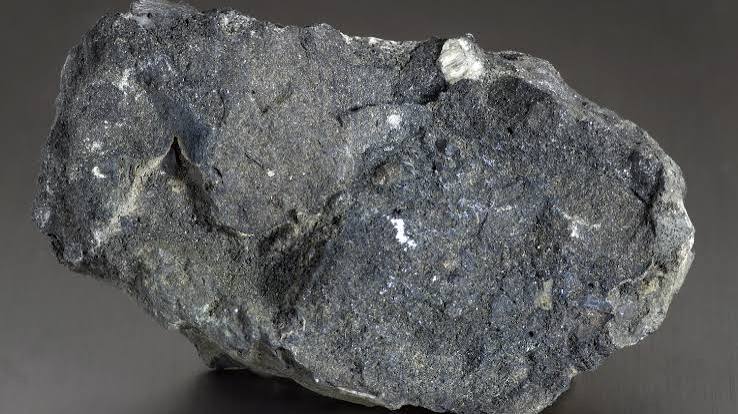
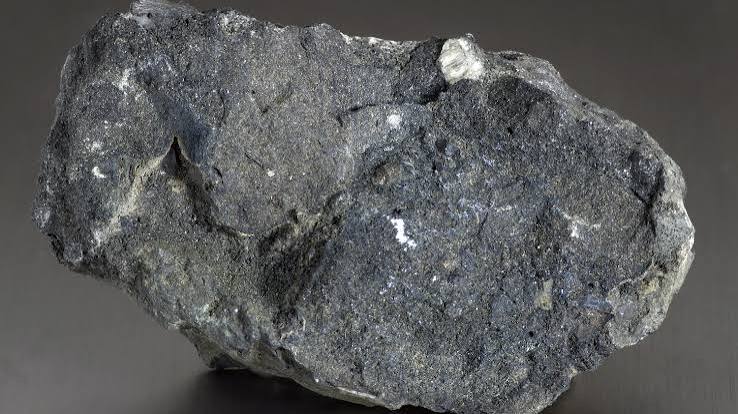
Phosphate rock is the irreplaceable starting point for the majority of phosphorus fertilizers that underpin global food production. Unlike nitrogen, which can be fixed from air, or potash, which has several major producing regions, phosphate supply is geographically concentrated both in current production and, more starkly, in long-term reserves. That concentration translates into persistent geopolitical exposure for fertilizer manufacturers, blenders and the food companies that ultimately depend on reliable nutrient supply.
China currently accounts for the largest share of mined phosphate rock—on the order of two-fifths of global output—while also consuming most of its production domestically. Morocco ranks as the second-largest producer and, critically, holds the overwhelming majority of known global reserves, often estimated at roughly two-thirds or more of the world total. The United States remains a significant producer, with additional volumes coming from a relatively short list of other countries. On the trade side, a handful of exporters—including Morocco and several Middle Eastern and North African suppliers—dominate seaborne phosphate rock and phosphoric acid flows.
Where the Exposure Lies
For food buyers and fertilizer purchasers, the risks are multi-layered. Export policy changes, licensing requirements or production directives in a major producing country can tighten seaborne availability with little notice. Logistics chokepoints and regional instability affect the reliability of shipments from key origins. Because reserves are even more concentrated than current production, the long-term structure of the industry offers limited near-term diversification; new large-scale, low-cost reserves are not evenly distributed across the globe.
Price volatility follows from the same concentration. When a dominant supplier adjusts operating rates or when freight and energy costs rise in core exporting regions, the effects transmit quickly into DAP, MAP and other phosphate fertilizer markets. Food companies with exposure to crop costs, and fertilizer buyers managing annual procurement, must therefore treat phosphate as a strategically concentrated commodity rather than a fully contestable market.
Practical Implications for Procurement Strategies
Diversification of origins, where technically and contractually feasible, remains the primary mitigation tool. Longer-term supply agreements, strategic inventories, and closer collaboration with suppliers who themselves manage multi-origin or integrated rock-to-fertilizer chains can reduce spot-market vulnerability. Monitoring of export policies, freight conditions and geopolitical developments in the main producing and exporting countries has become a routine part of responsible phosphate procurement.
Some buyers also explore efficiency measures—precision application, soil testing, and reduction of nutrient losses—that lower total phosphate demand per unit of food output. While these steps do not eliminate geopolitical exposure, they reduce the absolute volume at risk.
Global phosphate rock supply concentration is not a temporary market feature; it is a structural characteristic of the resource base and the current production map. For food buyers and the fertilizer supply chains that serve them, acknowledging that concentration—and building procurement and inventory strategies around it—is essential to managing one of the more geopolitically exposed inputs in the modern food system.