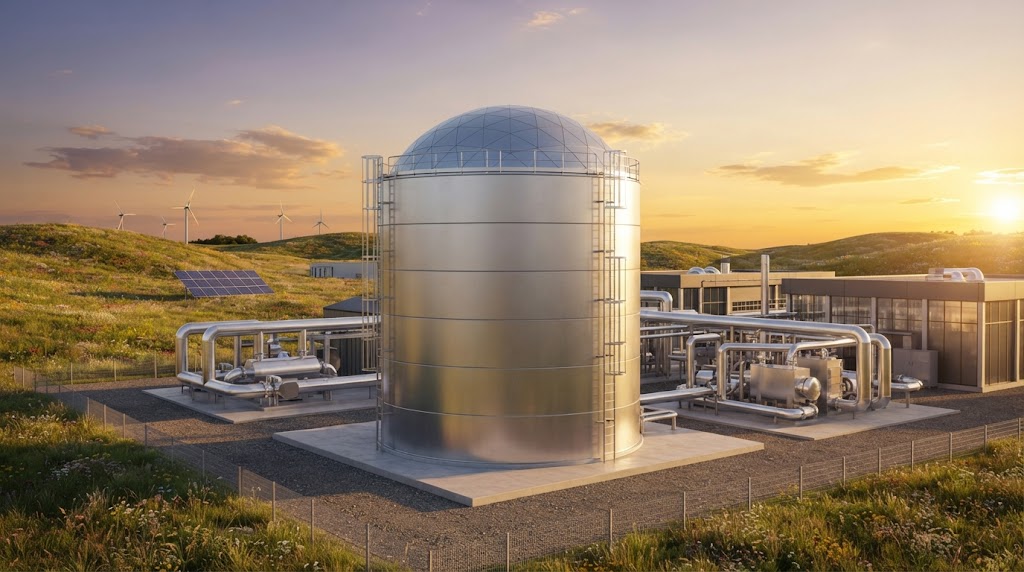
PetroChina Is Retiring 19 Aging Refining and Chemical Units — Here's What That Signals
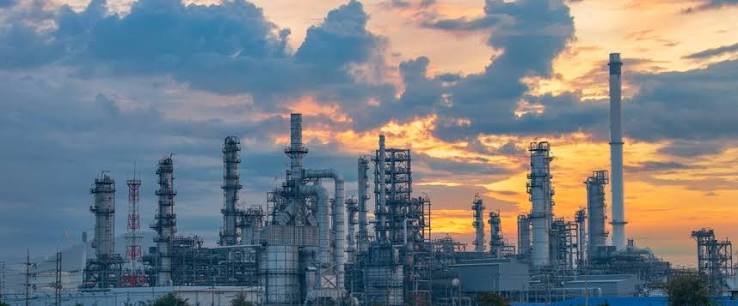
PetroChina plans to permanently shut 19 aging refining and chemical units as China intensifies efforts to tackle downstream overcapacity and improve profitability. The program includes one unit that failed to meet safety standards and another 18 units that have been operating for more than two decades. These assets are part of 309 older units being evaluated as PetroChina reviews and streamlines its downstream operations.
Why Older Units Are Coming Under Pressure
The closures reflect a wider structural problem in China's refining and petrochemical industries. Newer, larger and more integrated facilities are increasing competition while older plants face higher operating costs and weaker economics. China's petrochemical sector remains under pressure from excess capacity and slow demand recovery, making it increasingly difficult for aging units to remain profitable. China's 2025 refining capacity reached about 939 million tonnes per year, while another 15 million tonnes per year of capacity was expected to be added in 2026.
EV Adoption Is Changing Fuel Demand
The refining side is also being affected by the faster transition toward electric vehicles. China's domestic fuel demand is reaching its peak earlier than previously expected as EV adoption reduces gasoline consumption and changes transportation fuel patterns. This creates a long-term challenge for refiners that were built around growing demand for conventional fuels. PetroChina is therefore under pressure to shift its portfolio toward higher-value chemicals, new materials and other businesses rather than relying solely on traditional fuel production.
China Is Cutting Old Capacity While Still Adding New Capacity
The most important point is that China's capacity rationalization does not mean the country is stopping petrochemical investment. New and upgraded facilities continue to come online, while outdated units are being removed. PetroChina itself is continuing projects involving ethylene, high-value polyolefins and chemical transformation. This creates a "new for old" restructuring model in which inefficient production is removed while newer facilities with better integration and technology take a larger share of the market.
The 19 Closures Could Become a Broader Industry Pattern
PetroChina's decision is therefore significant beyond the individual units involved. If China's anti-overcapacity campaign continues, other refiners and chemical producers may face greater pressure to retire older and inefficient assets. The country's refining industry already retired 20.5 million tonnes per year of capacity in 2025, even as new capacity was added, showing how quickly structural rationalization is becoming part of the market.
What It Means for Global Petrochemicals
PetroChina's 19-unit retirement program signals that China's next phase of petrochemical development may focus less on simply adding capacity and more on improving utilization, efficiency and product value. That could eventually help reduce some domestic oversupply, although the impact will depend on how quickly additional new capacity comes online. For global producers, the key indicators to watch are China's operating rates, further shutdown announcements, export volumes and the pace at which outdated refining and chemical assets are replaced by newer integrated facilities.
Citric Acid Anhydrous (E330)
Found this useful?