Yara's Renewable Hydrogen Plant at Herøya: Confirmed Commercial Operation
Yara's Renewable Hydrogen Plant at Herøya: Confirmed Commercial Operation
Introduction
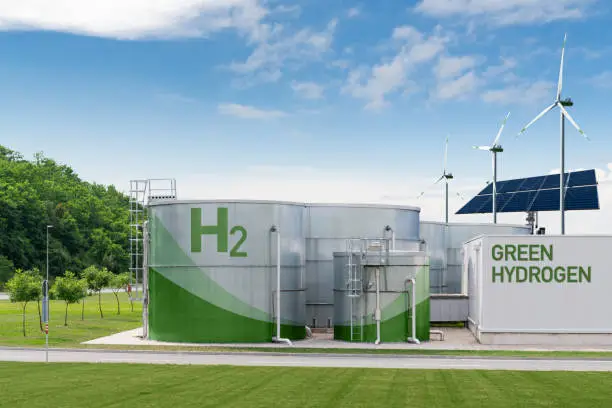
The transition toward low-carbon industrial production has reached another important milestone with the commercial operation of Yara's renewable hydrogen plant at Herøya, Norway. As one of Europe's pioneering renewable hydrogen facilities integrated into fertilizer production, the project demonstrates how green hydrogen can move from pilot-scale innovation to commercial manufacturing.
The plant represents a significant step in reducing emissions from ammonia and fertilizer production—industries traditionally dependent on fossil fuel-based hydrogen. For chemical manufacturers, procurement professionals, and sustainability leaders, Yara's achievement provides a practical example of how renewable energy can be successfully integrated into large-scale industrial operations.
As governments and industries accelerate decarbonisation efforts, projects like Herøya establish valuable precedents for the future of green chemicals and sustainable manufacturing.
Why Renewable Hydrogen Matters
Hydrogen is a critical raw material for producing ammonia, fertilizers, methanol, and numerous industrial chemicals. Traditionally, hydrogen has been produced from natural gas through steam methane reforming (SMR), a process that generates significant carbon dioxide (CO₂) emissions.
Renewable, or green hydrogen, is produced by using electricity from renewable energy sources—such as hydropower, wind, or solar—to split water into hydrogen and oxygen through electrolysis.
Its key advantages include:
Significant reduction in greenhouse gas emissions.
Lower dependence on fossil fuels.
Support for industrial decarbonisation.
Integration with renewable electricity systems.
Contribution to national and global net-zero targets.
As renewable energy capacity grows, green hydrogen is becoming a cornerstone of the clean energy transition.
The Significance of the Herøya Plant
Yara's renewable hydrogen facility at Herøya demonstrates that green hydrogen can be commercially integrated into existing industrial production.
The project is significant because it:
Supports Low-Carbon Fertilizer Production
Replacing fossil-based hydrogen with renewable hydrogen reduces the carbon footprint of ammonia and fertilizer manufacturing.
Demonstrates Commercial Scalability
The facility moves beyond demonstration projects, showing that renewable hydrogen can operate in an industrial production environment.
Encourages Industry Adoption
Its successful commercial operation provides confidence for other chemical manufacturers considering similar investments.
Advances Industrial Decarbonisation
The project contributes to Europe's broader strategy of reducing emissions from energy-intensive industries.
Implications for the Chemical Industry
Renewable hydrogen has the potential to reshape multiple chemical value chains.
Industries expected to benefit include:
Ammonia production.
Fertilizer manufacturing.
Methanol production.
Refining.
Green fuels.
Specialty chemicals.
Industrial gases.
As renewable hydrogen becomes more widely available, manufacturers may gradually reduce their dependence on conventional fossil-based feedstocks.
Procurement Strategies for the Hydrogen Economy
Procurement professionals will play an increasingly important role in supporting the transition toward cleaner chemical production.
Recommended approaches include:
Evaluate Supplier Sustainability
Assess suppliers based on renewable energy usage, emissions reduction initiatives, and environmental performance.
Incorporate Carbon Metrics into Procurement
Expand supplier evaluations beyond price and quality to include carbon intensity and lifecycle emissions.
Diversify Strategic Supply Networks
Develop sourcing strategies that balance sustainability, reliability, and regional resilience.
Monitor Hydrogen Market Development
Track investments in renewable hydrogen infrastructure, electrolyzer deployment, and government incentives that may influence future supply availability.
Strengthen Long-Term Partnerships
Collaborate with suppliers committed to industrial decarbonisation and renewable energy integration.
Challenges That Remain
Despite rapid progress, several challenges continue to influence the widespread adoption of renewable hydrogen.
These include:
High capital costs for electrolyzers.
Availability of affordable renewable electricity.
Infrastructure requirements for hydrogen transport and storage.
Regulatory uncertainty in some markets.
Long project development timelines.
Addressing these challenges will require continued investment, supportive public policy, and collaboration across the energy and chemical sectors.
Looking Ahead
The commercial operation of the Herøya facility signals that renewable hydrogen is moving from concept to practical industrial application. As production technologies improve and renewable electricity becomes more accessible, additional projects are expected to come online across Europe, North America, the Middle East, and Asia.
For the chemical industry, this transition presents opportunities to improve sustainability, strengthen supply chain resilience, and meet evolving customer expectations for low-carbon products.
Organizations that begin integrating renewable hydrogen into long-term procurement and investment strategies today will be better positioned for tomorrow's low-carbon economy.
Conclusion
Yara's renewable hydrogen plant at Herøya marks an important milestone in the industrial decarbonisation journey. Its successful commercial operation demonstrates that renewable hydrogen can support large-scale chemical manufacturing while reducing greenhouse gas emissions.
For procurement leaders, manufacturers, and investors, the project reinforces that sustainability is increasingly becoming a competitive advantage. Companies that align procurement strategies with renewable energy adoption, carbon reduction goals, and resilient supply chains will be well-positioned to thrive in the next generation of global chemical manufacturing.
Aspartame (E951)
Found this useful?