
A Buyer's Guide to Sourcing Specialty Chemicals for Industrial Applications
Specialty chemicals are formulated or performance-focused products designed to deliver specific functions in industrial processes. They are used across industries such as oil and gas, water treatment, agriculture, pharmaceuticals, food processing, construction and manufacturing.
Unlike bulk chemicals, specialty chemicals are often selected for their technical performance, formulation and application requirements rather than volume alone.
For industrial buyers, successful sourcing involves finding products that meet technical specifications, maintaining consistent quality and working with reliable suppliers. A structured procurement approach can help businesses avoid supply disruptions, control costs and maintain production standards.
1. Identify Your Industrial Requirements
Before contacting suppliers, buyers should clearly define the purpose and technical requirements of the chemical.
Important considerations include:
Intended industrial application and process conditions
Required chemical composition and purity
Physical properties such as viscosity, density and solubility
Required performance characteristics
Monthly or annual consumption volume
Packaging, storage and transportation needs
For example, a water-treatment facility sourcing antiscalants may require a formulation compatible with its membrane system and feedwater chemistry. A coatings manufacturer may prioritise viscosity, dispersion and chemical stability.
Clear requirements make supplier comparisons more accurate and reduce the risk of purchasing unsuitable materials.
2. Select the Appropriate Chemical Grade
Specialty chemicals may be available in different grades and formulations depending on their intended applications.
Common categories include:
Chemical grade | Typical application |
|---|---|
Industrial Grade | Manufacturing and industrial processing |
Technical Grade | General technical and commercial applications |
Food Grade | Food production under applicable standards |
Pharmaceutical Grade | Pharmaceutical manufacturing |
Laboratory Grade | Research, testing and laboratory work |
Buyers should not assume that a higher-grade product is always necessary. The correct selection depends on the process, required quality and applicable regulatory standards.
3. Evaluate Supplier Reliability
Choosing the right supplier is as important as selecting the right chemical. A supplier should demonstrate the ability to deliver consistent products, maintain documentation and meet agreed delivery schedules.
Evaluate potential suppliers based on:
Industry experience and market reputation
Manufacturing or distribution capabilities
Product range and technical expertise
Customer references and previous supply performance
Production capacity and stock availability
Geographic reach and logistics network
After-sales and technical support
For critical industrial materials, buyers should also understand whether the supplier manufactures the product directly or sources it from another producer.

4. Verify Product Quality and Documentation
Before placing an order, buyers should request documentation that confirms product specifications, safety information and quality requirements.
Certificate of Analysis (CoA): Provides test results for a specific batch, including relevant purity and quality parameters.
Safety Data Sheet (SDS): Explains chemical hazards, handling precautions, storage conditions and emergency procedures.
Technical Data Sheet (TDS): Describes product characteristics, recommended applications and performance information.
Certificate of Conformity (CoC): Provides confirmation that a product meets specified requirements, where applicable.
ISO Certification: Demonstrates that an organisation operates under a recognised management-system standard. Buyers should verify the certification's scope and validity.
Documentation should be checked for consistency with the product being purchased, including its grade, manufacturer, batch identification and intended application.
5. Compare Prices and Total Procurement Costs
Price is an important factor in chemical sourcing, but selecting the cheapest quotation may not deliver the best overall value.
Buyers should evaluate the total procurement cost, including:
Product price and order quantity
Shipping and freight charges
Customs duties and import taxes
Packaging and handling costs
Storage requirements
Testing and quality-control expenses
Potential wastage or processing losses
Comparing quotations on the same technical and commercial basis helps procurement teams identify the most competitive offer.
6. Assess Regulatory and Environmental Requirements
Specialty chemicals may be subject to different regulations depending on their composition, application and destination market.
Before purchasing, businesses should check applicable chemical registration, classification, labelling, transportation and workplace safety requirements.
For international sourcing, relevant frameworks may include:
REACH: Chemical registration and risk management requirements in the European Union.
GHS: Internationally harmonised chemical hazard classification and labelling.
CLP Regulation: Classification, labelling and packaging requirements in the European Union.
Local chemical regulations: National requirements governing imports, storage, handling and industrial use.
Environmental considerations are also becoming important. Buyers may evaluate biodegradability, hazardous substance content, emissions and waste-management requirements when comparing products.
7. Check Supply Chain and Delivery Capabilities
Reliable supply is essential for industries that depend on continuous production. Delayed chemical deliveries can interrupt manufacturing, increase operating costs and affect customer commitments.
Before finalising a supplier, confirm:
Product availability and lead times
Minimum order quantities
Delivery locations and shipping arrangements
Packaging suitability for transportation
Shelf life and storage conditions
Backup supply options
Procedures for handling delayed or damaged shipments
For imported specialty chemicals, buyers should also consider shipping routes, customs clearance and possible international supply disruptions.
8. Request Samples and Conduct Product Testing
Product samples provide an opportunity to evaluate chemical performance before committing to large orders.
Industrial buyers can conduct laboratory tests or controlled production trials to verify whether a chemical meets the required specifications.
Testing may include purity analysis, compatibility checks, stability evaluation, solubility testing and application-specific performance assessments.
For critical applications, it is advisable to establish acceptance criteria before testing and document the results. Successful sample testing should be followed by batch verification during regular purchasing.
Common Challenges in Specialty Chemical Procurement
Specialty chemical sourcing can involve several challenges that affect purchasing decisions and production reliability.
Inconsistent product quality: Differences between batches may affect manufacturing performance and final product standards.
Limited supplier availability: Certain specialised formulations may have a restricted supplier base.
Price fluctuations: Raw material costs, energy prices, transportation and exchange rates can influence chemical prices.
Regulatory changes: Updated safety and environmental requirements may affect product availability and compliance.
Long delivery times: International sourcing and specialised production schedules can create supply delays.
Developing alternative supplier relationships, maintaining accurate forecasts and conducting regular quality checks can help businesses manage these challenges.
Building a Reliable Specialty Chemical Procurement Strategy
Successful specialty chemical sourcing requires a balance between product quality, supplier reliability, regulatory compliance and commercial value. Businesses should define their technical requirements, compare supplier documentation, evaluate delivery capabilities and test products before making major purchasing commitments.
A structured procurement strategy helps industrial buyers reduce sourcing risks, maintain consistent production standards and build stronger supplier relationships. As industrial requirements evolve, informed chemical purchasing remains an important part of efficient and competitive operations.
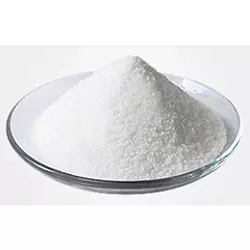
Barium Chloride Dihydrate
Found this useful?