
The Future of Industrial Chemicals: Technology and Global Demand
Industrial chemicals remain essential to modern manufacturing, supporting industries ranging from construction and automotive production to agriculture, electronics and consumer goods. As industrial requirements evolve, chemical manufacturers are rethinking how they develop products, manage production and supply international markets.
The future of industrial chemicals will depend on the industry's ability to combine technological innovation with reliable production, resource efficiency and changing customer requirements. Artificial intelligence, advanced automation, sustainable feedstocks and digital supply chains are becoming increasingly important in this transformation.
For chemical traders, procurement managers and international buyers, these developments create new opportunities as well as new sourcing considerations. Understanding the direction of industrial chemical production can help businesses identify emerging demand, evaluate suppliers and prepare for changes in global trade.
How Industrial Chemicals Are Evolving
Industrial chemicals include a broad range of substances used as raw materials, processing agents and functional ingredients in manufacturing. Products such as methanol, sulphuric acid, caustic soda, ammonia and industrial solvents support numerous production processes across different sectors.
Traditionally, the industry focused heavily on production capacity, raw material availability and manufacturing costs. These factors remain important, but changing market expectations are encouraging manufacturers to place greater emphasis on product performance, operational efficiency and environmental responsibility.
Several developments are influencing this transition:
Advanced manufacturing: Modern production facilities increasingly integrate automated equipment and digital monitoring systems to improve consistency and operational control.
Product innovation: Manufacturers are developing specialized chemical formulations to address increasingly specific industrial requirements.
Resource efficiency: Companies are exploring ways to reduce energy consumption, minimize production waste and improve raw material utilization.
Supply chain modernization: Digital procurement and logistics systems are helping businesses improve visibility across international chemical supply networks.
These developments are gradually changing how manufacturers compete and how buyers evaluate chemical suppliers.
Technology Transforming Chemical Manufacturing
Technology is becoming one of the strongest influences on industrial chemical production. Manufacturers are investing in digital systems that connect production equipment, laboratory operations, inventory management and supply chain activities.
The objective is not simply to increase automation. Companies also want to make production more predictable, identify operational problems earlier and improve coordination between different departments.
Artificial Intelligence and Predictive Analytics
Artificial intelligence is creating opportunities across chemical manufacturing, particularly in production planning, equipment monitoring and research.
AI-powered systems can analyze operational information to identify patterns that traditional monitoring methods might overlook. Manufacturers can use these insights to improve production schedules, anticipate equipment maintenance requirements and manage energy consumption.
Predictive analytics also supports inventory planning. By studying historical purchasing patterns, production requirements and market conditions, businesses can make more informed decisions about raw material procurement.
Automation and Smart Manufacturing
Automated production systems are changing how chemical plants manage repetitive and complex manufacturing activities.
Modern facilities can integrate sensors, process-control systems and connected equipment to monitor operating conditions. These technologies help production teams maintain consistency while reducing dependence on manual monitoring.
Smart manufacturing can also improve coordination between production and quality-control departments. When operating information becomes available across different systems, manufacturers can identify variations and respond more efficiently.
Innovation in Chemical Research
Digital technologies are also influencing chemical research and product development.
Computational modelling and advanced laboratory equipment help researchers evaluate chemical formulations and understand material behaviour. These tools can support the development of specialized materials for applications in electronics, automotive manufacturing, coatings and industrial processing.
For manufacturers, improved research capabilities can create opportunities to develop products that deliver greater performance and meet specific customer requirements.
Global Demand Driving Industrial Chemical Markets
Global demand for industrial chemicals depends on the performance of several major manufacturing sectors. Construction, automotive production, agriculture, packaging, textiles and electronics all require chemical inputs at different stages of production.
As industrial activity changes across regions, demand patterns also shift between basic chemicals, specialty materials and advanced chemical formulations.
Construction and Infrastructure
Construction remains an important demand source for industrial chemicals.
Products such as polymers, adhesives, coatings, solvents and water-treatment chemicals support building materials, infrastructure development and industrial maintenance.
Growing requirements for durable construction materials and improved building performance are creating opportunities for chemical manufacturers supplying specialized additives and processing materials.
Automotive and Transportation
The automotive sector requires a wide range of chemicals for vehicle manufacturing.
Plastics, synthetic rubber, coatings, adhesives and industrial solvents contribute to vehicle components, surface protection and manufacturing operations.
The development of electric vehicles is also changing material requirements. Battery-related materials, lightweight polymers and advanced protective coatings are becoming increasingly relevant to automotive supply chains.
Agriculture and Food Production
Industrial chemicals play an important role in agricultural productivity and food processing.
Fertilizer-related chemicals, crop protection inputs and water-treatment products support agricultural operations. At the same time, food manufacturers depend on approved processing ingredients and industrial cleaning chemicals.
Changes in agricultural practices, food production requirements and regional consumption patterns can influence demand across these chemical categories.
Electronics and Advanced Materials
Electronics manufacturing requires increasingly specialized chemical inputs.
High-purity solvents, cleaning agents, specialty gases and other process chemicals support semiconductor manufacturing, circuit-board production and electronic component processing.
As manufacturers pursue more advanced technologies, chemical suppliers face greater expectations regarding product consistency, purity and technical documentation.
Sustainability and the Shift Towards Cleaner Production
Environmental considerations are becoming increasingly important in industrial chemical manufacturing. Energy-intensive production processes, raw material consumption and industrial waste management are encouraging companies to evaluate more sustainable operating methods.
The transition requires investment in production technology, infrastructure and alternative feedstocks. It also involves improving the way chemicals move through manufacturing, distribution and end-use applications.
Energy-Efficient Manufacturing
Chemical production can require substantial amounts of energy, particularly in processes involving heating, cooling, separation and compression.
Manufacturers are exploring energy-efficient equipment, improved heat recovery systems and better process controls to reduce unnecessary consumption.
These improvements can support production efficiency while helping companies manage exposure to changing energy costs.
Bio-Based and Alternative Feedstocks
Traditional chemical manufacturing relies heavily on fossil-based raw materials.
Bio-based feedstocks and alternative carbon sources are creating additional pathways for producing selected industrial chemicals. Their commercial adoption depends on availability, processing costs, technical performance and compatibility with existing production systems.
Companies are also examining recycled materials as potential inputs for selected chemical and polymer production processes.
Circular Manufacturing
Circular manufacturing focuses on improving material utilization and reducing waste throughout the production lifecycle.
For chemical manufacturers, this can involve recovering usable materials, improving recycling processes and designing products that support more efficient resource management.
The shift towards circular production also creates opportunities for suppliers offering recycled polymers, alternative raw materials and specialized processing solutions.
Global Supply Chains and Changing Trade Patterns
Industrial chemical markets depend on interconnected international supply chains. Manufacturers often source feedstocks from one region, process them in another and distribute finished products to customers across multiple countries.
This structure creates commercial opportunities but also exposes buyers to transportation disruptions, changing trade policies and regional production imbalances.
Recent industry analysis highlights how geopolitical uncertainty, overcapacity and shifting competitive conditions are influencing chemical trade and investment decisions.
Regional Manufacturing Developments
Asia continues to play a major role in global chemical manufacturing, supported by extensive industrial infrastructure and demand from manufacturing sectors.
China remains a particularly important participant in several chemical value chains. Meanwhile, other Asian markets are developing manufacturing capacity and strengthening their positions in international chemical trade.
North America benefits from access to important feedstocks and established industrial infrastructure. European manufacturers continue to face challenges involving production costs, industrial competitiveness and environmental requirements.
These regional differences influence product availability, export opportunities and supplier selection.
Supply Chain Resilience
Chemical buyers increasingly need to consider more than the quoted product price when selecting international suppliers.
Important sourcing considerations include:
Supplier diversification: Maintaining relationships with suppliers in different regions can reduce dependence on a single production source.
Logistics planning: Transportation availability, port operations and delivery schedules can affect procurement reliability.
Regulatory documentation: Buyers should verify safety data sheets, technical specifications and applicable import documentation.
Inventory management: Appropriate stock planning can help businesses manage fluctuations in availability and delivery schedules.
For international traders, understanding these factors is essential when evaluating long-term sourcing opportunities.
What the Future Holds for Industrial Chemicals
The future of industrial chemicals will involve a combination of technological advancement, changing customer requirements and improvements in manufacturing practices.
The industry is unlikely to follow one uniform growth pattern. Basic chemicals, specialty chemicals and advanced materials will experience different demand conditions depending on their applications, production economics and regional market developments.
The International Energy Agency provides an overview of chemical production, energy demand and emissions, highlighting the industry's connection with wider industrial energy and sustainability challenges. Its chemicals industry analysis offers useful background for understanding these developments.
Several areas are particularly relevant to the industry's longer-term direction:
Greater digital integration: AI, predictive analytics and connected manufacturing systems will continue to influence production management and operational planning.
Specialty chemical development: Demand for application-specific materials may create opportunities for manufacturers with strong research and technical capabilities.
Sustainable production: Energy efficiency, alternative feedstocks and circular manufacturing will remain important areas of industrial development.
Advanced material requirements: Electronics, automotive and infrastructure industries will continue to influence the development of specialized chemical products.
More connected supply chains: Digital procurement, inventory visibility and logistics coordination can improve international sourcing decisions.
The United Nations Industrial Development Organization also identifies artificial intelligence, digitalization and the green transition as major forces shaping future industrial development. Its Industrial Development Report 2026 provides additional context on these global changes.
What Chemical Buyers and Procurement Teams Should Do Now
As industrial chemical markets evolve, procurement teams need to evaluate suppliers and sourcing strategies with a longer-term perspective.
A competitive purchasing decision should consider product specifications, supply reliability, regulatory requirements and the supplier's ability to support changing business needs.
Buyers can strengthen their procurement strategies by focusing on several priorities.
1. Evaluate product quality carefully
Compare technical specifications, purity levels, grades and application suitability before selecting a chemical supplier. Consistent product quality helps manufacturers maintain stable production standards.
2. Develop reliable supplier relationships
Work with suppliers that provide clear communication, appropriate documentation and dependable delivery arrangements. Maintaining alternative sourcing options can also improve procurement flexibility.
3. Monitor market developments
Follow changes in raw material availability, energy costs, regional production capacity and international trade conditions. These factors can influence purchasing decisions and supplier competitiveness.
4. Consider sustainability requirements
Evaluate supplier information about production practices, material sourcing and environmental management where these factors affect business requirements.
5. Use digital procurement channels
Online B2B chemical marketplaces can help buyers compare available products, identify international suppliers and explore competitive offers across different markets.
For chemical traders and procurement professionals, combining market awareness with effective supplier evaluation can create a stronger foundation for future business growth.
The industrial chemical sector is moving towards a more technology-driven, connected and resource-conscious operating environment. Businesses that adapt to these developments will be better positioned to respond to changing industrial requirements and international market opportunities.
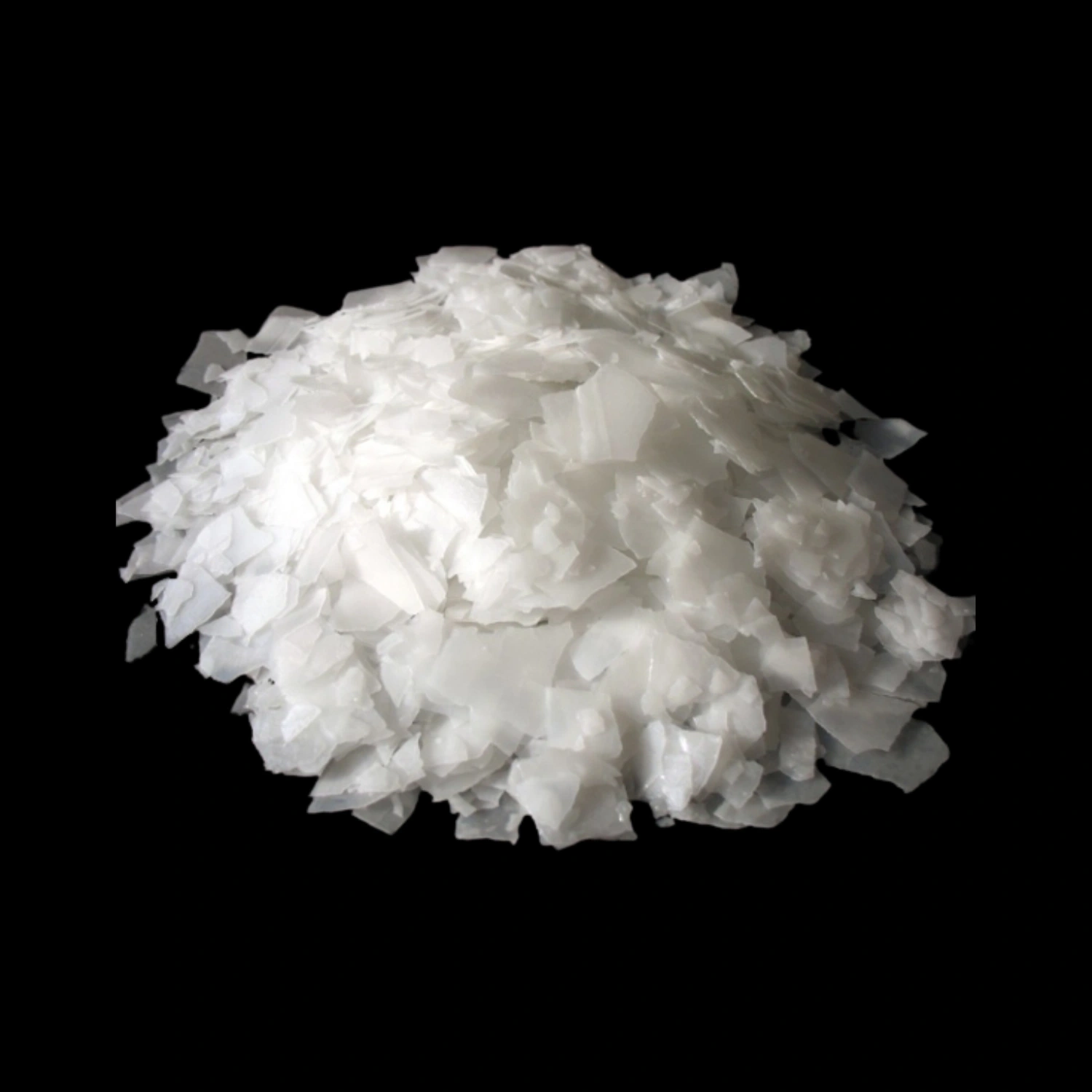
Caustic Soda Flakes
SOURCE LINK: https://www.iea.org/energy-system/industry/chemicals
Found this useful?