

Emerging Trends in Bio-Based Chemicals and Renewable Raw Materials
The chemical industry is experiencing a gradual shift towards renewable raw materials as manufacturers explore alternatives to conventional fossil-based feedstocks. Bio-based chemicals are gaining attention across multiple industries because they offer opportunities to diversify raw material supplies, develop more sustainable production processes and support circular manufacturing models.
Agricultural residues, vegetable oils, forestry waste, algae and other biological resources are becoming important inputs for chemical production. At the same time, advances in industrial biotechnology and biorefinery technologies are creating new opportunities to convert renewable materials into commercially useful chemicals.
For chemical traders, procurement managers and industrial buyers, these developments represent more than an environmental transition. They introduce new sourcing opportunities, evolving product specifications and changing expectations around supply chain transparency.
What Are Bio-Based Chemicals and Renewable Raw Materials?
Bio-based chemicals are chemical substances produced partly or entirely from biological resources rather than conventional fossil-based feedstocks such as crude oil and natural gas. Manufacturers use biological materials and conversion technologies to produce chemicals that can serve as alternatives to conventional industrial ingredients.
These products can share the same chemical structure and performance characteristics as their fossil-derived equivalents. This means manufacturers may use certain bio-based chemicals in existing industrial applications without significantly changing their production processes.
Common Renewable Raw Materials
Several biological resources support the production of bio-based chemicals:
Agricultural residues: Corn stover, wheat straw, rice husks and sugarcane bagasse provide renewable carbon for chemical production.
Vegetable oils: Palm oil, soybean oil, coconut oil and other plant-derived oils serve as feedstocks for fatty acids, glycerine and surfactant ingredients.
Forestry resources: Wood residues, cellulose and lignin offer valuable inputs for bio-based materials and chemical intermediates.
Organic waste: Food-processing waste and other biodegradable materials can provide feedstock for fermentation and biochemical conversion.
Algae and microorganisms: Certain algae, bacteria and other microorganisms can produce oils, organic acids and specialised chemical compounds.
The suitability of each feedstock depends on its composition, availability, processing requirements and production economics.
Bio-Based Does Not Always Mean Biodegradable
An important distinction for chemical buyers is the difference between bio-based and biodegradable products.
A bio-based chemical describes the origin of its carbon or raw material. A biodegradable chemical refers to its ability to break down through biological processes under specified conditions.
Some bio-based plastics are not readily biodegradable, while certain biodegradable materials originate from fossil-based resources. Buyers should therefore evaluate renewable content and end-of-life performance separately.
Emerging Trends Transforming the Bio-Based Chemicals Industry
Industrial innovation is expanding the range of chemicals that manufacturers can produce from renewable resources. Several developments are influencing investment decisions and creating new opportunities across chemical supply chains.
1. Expansion of Industrial Biotechnology
Industrial biotechnology is becoming an important production approach for bio-based chemicals. Manufacturers use microorganisms, enzymes and fermentation processes to convert biological feedstocks into useful chemical compounds.
Fermentation can produce organic acids, alcohols, amino acids and other industrial ingredients. Advances in microbial engineering and process optimisation are helping manufacturers improve production consistency and explore additional chemical applications.
Enzyme-based processes also offer opportunities to simplify certain manufacturing operations. Their ability to operate under relatively controlled conditions can support more efficient conversion pathways, depending on the chemical and production process.
2. Growing Interest in Waste-Based Feedstocks
Chemical manufacturers are increasingly exploring agricultural residues and industrial by-products instead of relying entirely on purpose-grown biomass.
This approach supports resource efficiency by creating commercial value from materials that might otherwise receive limited industrial use.
Examples include:
Converting sugarcane bagasse into fermentable sugars.
Using agricultural residues as inputs for bio-based solvents and intermediates.
Recovering useful compounds from food-processing waste.
Processing forestry residues into cellulose-based chemicals.
Waste-based feedstocks can also reduce competition with food production. However, collection, transportation, seasonal availability and feedstock quality remain important commercial considerations.
3. Development of Advanced Biorefineries
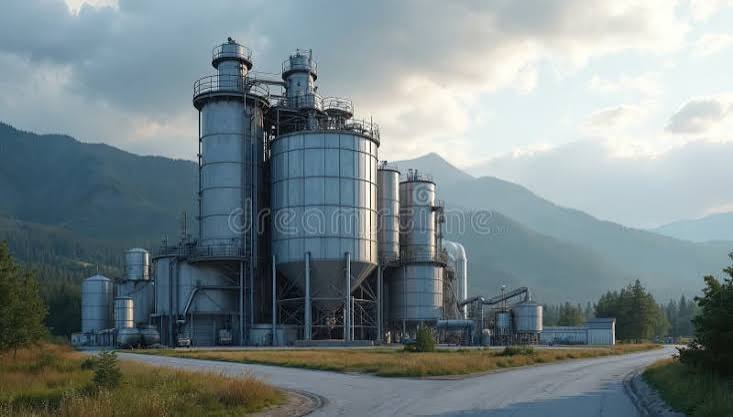
Biorefineries are becoming central to the development of integrated bio-based chemical manufacturing.
Similar to conventional petroleum refineries, biorefineries process raw materials into multiple products. However, they use biomass and other renewable resources instead of relying primarily on fossil-based inputs.
Modern facilities aim to extract maximum value from available feedstocks by producing several outputs through interconnected processing operations.
For example, a biorefinery processing agricultural biomass may recover fermentable sugars, cellulose-based materials and other useful chemical components.
Integrated production can improve resource utilisation and create additional revenue opportunities. It also encourages manufacturers to develop supply chains that connect agriculture, chemical processing and downstream industries.
4. Increasing Demand for Renewable Carbon
The chemical industry requires carbon as a fundamental building block for producing plastics, solvents, coatings, synthetic materials and numerous other products.
Renewable carbon provides an alternative to conventional fossil-based carbon through biomass, recycled materials and carbon dioxide utilisation.
This broader approach is gaining attention because replacing fossil-derived carbon requires more than switching individual chemicals to biological alternatives.
The Carbon Flows Update 2026 by nova-Institute examines the contribution of renewable carbon sources to chemical production and explores potential pathways towards a more sustainable carbon supply.
Industries Creating Demand for Bio-Based Chemicals
Bio-based chemicals are finding applications across industries that depend on reliable chemical inputs and consistent product performance.
Their commercial potential depends on technical suitability, production costs and the availability of renewable alternatives that meet industrial specifications.
Plastics and Packaging
The plastics industry is exploring renewable feedstocks for producing polymers and chemical intermediates.
Bio-based plastics can support packaging, consumer goods and selected automotive applications. Manufacturers are also investigating renewable alternatives for existing polymer production pathways.
Important considerations include mechanical strength, processing compatibility, thermal properties and overall production economics.
Personal Care and Household Products
Personal care manufacturers are showing interest in renewable ingredients for soaps, detergents, skincare formulations and cleaning products.
Plant-derived fatty acids, glycerine and surfactant ingredients are particularly relevant to these applications.
For procurement teams, product consistency, purity, formulation compatibility and traceability remain essential when evaluating bio-based alternatives.
Textiles and Fibres
Textile manufacturers are exploring renewable chemical inputs for producing synthetic fibres, processing agents and specialised finishing materials.
Bio-based polymers and cellulose-derived materials provide opportunities to diversify conventional textile feedstocks.
The industry also requires reliable performance across dyeing, finishing, washing and other production stages.
Agriculture and Fertilizers
Agricultural applications offer opportunities for bio-based fertilisers, soil conditioners and selected plant-protection products.
Biological resources can support the development of products that complement conventional agricultural inputs.
However, buyers must assess nutrient composition, product stability, regulatory approvals and suitability for specific agricultural conditions.
Regional Developments and Global Market Opportunities
Bio-based chemical production is developing across regions with different strengths in agricultural resources, biotechnology research and industrial manufacturing.
These differences create opportunities for international chemical traders and procurement professionals seeking alternative suppliers.
Europe: Policy Support and Industrial Investment
Europe is placing greater emphasis on renewable resources and industrial biotechnology as part of its broader bioeconomy development.
On 27 November 2025, the European Commission published its Strategic Framework for a Competitive and Sustainable EU Bioeconomy. The strategy highlights industrial deployment, sustainable biomass supply, investment and the development of markets for bio-based chemicals and materials.
This direction creates opportunities for manufacturers developing biorefineries, advanced fermentation technologies and renewable chemical intermediates.
Asia-Pacific: Manufacturing and Feedstock Opportunities
Asia-Pacific has an important position in global chemical manufacturing and agricultural production.
Countries with established palm oil, sugarcane and other agricultural industries have opportunities to develop renewable chemical supply chains using locally available resources.
The region's manufacturing infrastructure also provides potential advantages for scaling production and supplying international markets.
North America: Biotechnology and Innovation
North America has an established biotechnology research ecosystem and industrial manufacturing base.
Investment in fermentation, enzyme technologies and biomass conversion supports the development of new production pathways.
Companies are also exploring ways to integrate renewable feedstocks into existing chemical manufacturing infrastructure.
Opportunities for International Chemical Traders
Regional differences in feedstock availability and production capabilities create several opportunities:
Connecting renewable feedstock producers with international chemical manufacturers.
Identifying suppliers of bio-based intermediates and specialty chemicals.
Supporting buyers seeking alternatives to conventional petrochemical ingredients.
Developing relationships with manufacturers investing in industrial biotechnology.
Expanding sourcing networks across agricultural and chemical-producing regions.
Challenges Affecting Commercial Adoption
Despite technological progress, bio-based chemicals still face commercial and operational challenges.
Understanding these limitations helps procurement teams make realistic sourcing decisions.
Production Costs and Price Competitiveness
Bio-based chemicals may carry higher production costs than established fossil-derived alternatives.
Specialised processing equipment, feedstock collection, fermentation infrastructure and purification requirements can influence final product prices.
Economies of scale and improved production technologies may strengthen competitiveness over time. However, buyers should compare total sourcing costs rather than assuming renewable alternatives will always offer immediate savings.
Feedstock Availability and Supply Consistency
Biological resources often depend on agricultural production cycles, weather conditions and regional availability.
Seasonal variations can affect the quantity and quality of raw materials supplied to manufacturers.
Suppliers must establish dependable collection networks, storage arrangements and processing capabilities to maintain consistent production.
Product Quality and Technical Compatibility
Industrial buyers cannot evaluate renewable chemicals solely on their environmental attributes.
Chemical composition, purity, moisture content, viscosity, stability and other specifications must match the intended application.
Buyers should request technical data sheets, certificates of analysis and relevant product documentation before approving new suppliers.
Certification and Traceability
Supply chain transparency is becoming increasingly important for companies purchasing renewable materials.
Buyers may require evidence of feedstock origin, renewable carbon content and compliance with relevant sustainability standards.
Traceability also helps distinguish genuinely renewable products from conventional chemicals marketed using broad environmental claims.
Procurement Strategies for Renewable Chemical Sourcing
The transition towards bio-based chemicals requires procurement teams to evaluate suppliers using both conventional purchasing criteria and additional sustainability considerations.
A structured sourcing process can reduce uncertainty and support better long-term purchasing decisions.
Key considerations include:
Verify renewable content: Request clear information about the biological origin and percentage of renewable raw materials used in the product.
Evaluate technical specifications: Compare purity, composition, physical properties and performance against existing chemical requirements.
Assess supplier reliability: Review production capacity, manufacturing experience, delivery capabilities and availability of alternative supply sources.
Review certifications: Check relevant sustainability certifications and supporting documentation where applicable.
Compare total costs: Consider feedstock availability, transportation, processing requirements and potential changes to existing manufacturing operations.
Request product samples: Conduct technical evaluations before making large-volume purchasing commitments.
Procurement teams should also distinguish between bio-based feedstock suppliers, chemical manufacturers and distributors. Each plays a different role in the supply chain and may offer different levels of technical support and product traceability.
What the Future Holds for Bio-Based Chemicals
The future development of bio-based chemicals will depend on the industry's ability to combine technological innovation with commercially viable manufacturing and dependable renewable feedstock supplies.
Several developments are likely to influence the sector over the coming years.
First, industrial biotechnology and advanced fermentation will continue expanding the range of chemicals that manufacturers can produce using biological resources. Improved processing technologies may also help reduce production costs and increase manufacturing efficiency.
Second, waste-based feedstocks are likely to receive greater attention as manufacturers seek to improve resource utilisation. Agricultural residues, organic waste and industrial by-products can support additional renewable chemical production without relying exclusively on dedicated biomass crops.
Third, policy initiatives and sustainability requirements may influence purchasing decisions across international markets. The European Commission's bioeconomy strategy reflects this direction by supporting industrial biotechnology, renewable materials and sustainable biomass supply chains.
For international buyers, these developments create an opportunity to diversify supplier networks and evaluate emerging chemical products before they reach wider commercial adoption.
The most successful sourcing strategies will combine competitive pricing, consistent product quality, transparent feedstock information and reliable supplier relationships. Companies that understand these factors can identify commercially practical opportunities as renewable raw materials become increasingly important to the global chemical industry.

Refined Glycerine 99.7% Min USP BP
Found this useful?