A Cleaner Acrylic Acid Purification Unit Opens in Carling
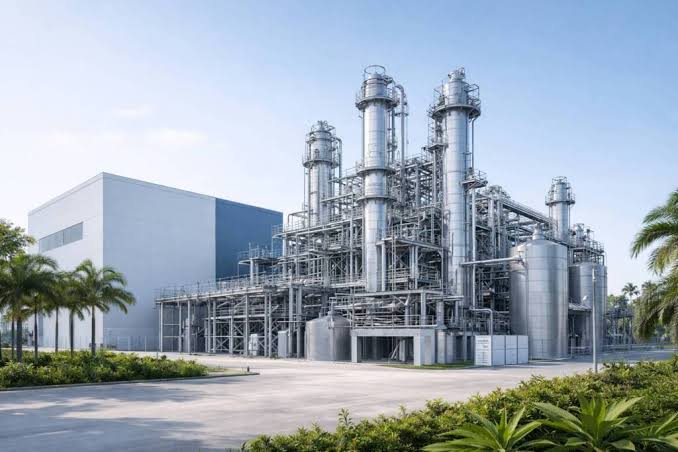
Arkema has inaugurated a next-generation acrylic acid purification unit at its Carling industrial site in northeastern France, marking a significant investment in more energy-efficient chemical manufacturing.
The project represents an investment of nearly €150 million and delivers measurable improvements in process efficiency. According to Arkema, the new technology reduces energy consumption in the purification process by 25% and lowers the carbon intensity of the site's operations by 20%. It also significantly reduces solvent consumption and improves resource and waste management.
Partially funded through France's France 2030 program and the European Union's NextGenerationEU initiative, the project demonstrates how industrial process innovation can support both manufacturing competitiveness and decarbonization.
Project Overview
The new purification unit upgrades a key stage of acrylic acid production at Arkema's Carling facility, one of Europe's major acrylic production sites.
Key details include:
Company: Arkema
Location: Carling, Moselle, France
Investment: Nearly €150 million
Project: Next-generation acrylic acid purification unit
Energy efficiency: 25% reduction in purification-unit energy consumption
Carbon intensity: 20% reduction in site operational carbon intensity
Additional benefits: Lower solvent consumption and improved resource and waste management
Public funding: France 2030 and the EU's NextGenerationEU initiative
Project status: Inaugurated in October 2026
The project was initially decided in 2023, with construction beginning in 2024. The inauguration marks the transition from a major industrial construction project to the operational use of the upgraded purification technology.
Why Acrylic Acid Purification Matters
Acrylic acid is an important chemical building block used to manufacture a wide range of downstream products.
Its applications include:
Performance coatings
Adhesives and sealants
Superabsorbent polymers
Water-treatment chemicals
Specialty materials
Other advanced chemical applications
Purification is an important part of producing acrylic acid to the specifications required by downstream manufacturers. Improving this stage can reduce the energy and materials needed to achieve the required product quality.
For producers, purification efficiency can therefore influence operating costs, resource consumption, emissions intensity, and overall plant performance.
The Technology Behind the Efficiency Gains
Arkema's new unit incorporates an innovative purification process designed to improve energy performance while optimizing resource use.
The reported improvements span three main areas.
1. Lower Energy Consumption
The purification unit reduces its energy consumption by 25%. This can help lower the utility requirements associated with producing acrylic acid, although the total financial benefit will depend on operating rates and local energy prices.
2. Reduced Carbon Intensity
Arkema reports a 20% reduction in the carbon intensity of operations at the Carling site. This reflects an improvement in operational emissions intensity rather than a stated 20% reduction in the site's total emissions.
3. Improved Resource Efficiency
The technology significantly reduces solvent consumption and improves resource and waste management. Lower solvent requirements can reduce material use and may also help limit associated waste-handling and recovery requirements.
Together, these improvements illustrate how upgrading a specific process stage can contribute to broader manufacturing and sustainability objectives.
A Major Investment in Europe's Chemical Industry
The Carling project is one of Arkema's largest industrial investments in France.
It also forms part of the company's wider decarbonization program, for which cumulative investment could reach €400 million between 2022 and 2030.
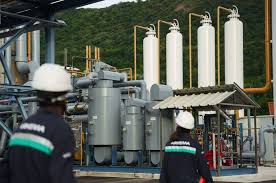
The scale of the Carling project illustrates the capital and engineering effort required to modernize an established chemical production site. Arkema's annual reporting described the construction as comparable to building a plant within an existing plant, involving major distillation columns, extensive piping, steel structures, and electrical infrastructure.
Rather than replacing the entire production facility, the project targets a critical process stage where improved technology can deliver operational and environmental benefits.
Public Funding Supports Industrial Decarbonization
The project received partial financial support from the French State through France 2030, administered by ADEME, and from the European Union's NextGenerationEU funding initiative.
These programs support investment in industrial modernization, innovation, and decarbonization.
For capital-intensive industries such as petrochemicals, public support can help companies advance projects that require significant upfront investment while delivering longer-term energy and environmental benefits.
However, the exact amount of public funding allocated to the Carling project has not been disclosed in the cited announcement.
Market Implications for Petrochemicals
The inauguration comes as European chemical producers face pressure to manage energy costs, improve efficiency, and maintain competitiveness against international producers.
Projects such as Carling may influence the industry's approach to upgrading existing assets.
Potential implications include:
Greater investment in process optimization
Increased attention to energy consumption per tonne of output
Reduced solvent and resource requirements
More emphasis on operational emissions intensity
Continued modernization of established production facilities
Greater use of technology upgrades to support industrial competitiveness
The project does not, by itself, establish a market-wide reduction in acrylic acid prices or an increase in European supply. Its broader significance lies in demonstrating a practical route to improving the performance of an existing production asset.
Sustainability and Industrial Competitiveness
The Carling investment highlights the connection between decarbonization and industrial productivity.
Energy-efficiency improvements can help reduce resource consumption and operating expenses, while lower carbon intensity can support corporate climate objectives and customer sustainability requirements.
For European chemical manufacturers, the challenge is to achieve these improvements while maintaining reliable production and competitive costs.
Arkema's project provides an example of how targeted process innovation can contribute to that goal without requiring the complete replacement of an existing industrial site.
Competitive Intelligence
Chemical producers, investors, and industry analysts should monitor several indicators as similar projects develop.
1. Energy Savings
Track disclosed reductions in energy use and whether these improvements translate into lower operating costs.
2. Carbon Intensity
Monitor emissions intensity alongside absolute emissions to understand the scale of environmental improvements.
3. Solvent and Waste Management
Changes in solvent consumption, material recovery, and waste generation can indicate broader process-efficiency gains.
4. Capital Investment
Compare retrofit costs with expected operating benefits and the investment requirements of alternative technologies.
5. Replication Potential
Determine whether similar purification upgrades could be implemented at other acrylic production sites, taking account of plant design and process conditions.
Procurement Considerations
For buyers of acrylic acid and downstream chemical products, the project is a useful development to monitor, but its commercial implications will depend on Arkema's operating performance and the wider market.
Procurement teams should:
Monitor supplier capacity and operating updates.
Track energy-related cost pressures in acrylic acid production.
Evaluate supplier reliability and product specifications.
Review sourcing options across qualified producers.
Assess sustainability documentation when relevant to customer requirements.
Avoid assuming that process-efficiency gains will automatically result in lower selling prices.
Energy savings can improve a producer's cost position, but market prices also depend on feedstock costs, demand, capacity utilization, logistics, and competitive conditions.
Looking Ahead
Arkema's new acrylic acid purification unit represents a substantial investment in improving the energy and environmental performance of its Carling facility.
With a reported 25% reduction in purification energy consumption and a 20% reduction in site operational carbon intensity, the project demonstrates the potential of process innovation to support more efficient chemical manufacturing.
The next important indicators will be the unit's performance under sustained commercial operation and the extent to which the improvements strengthen the site's long-term competitiveness.
For the wider petrochemical industry, Carling offers a clear example of how modernization, resource efficiency, and decarbonization can be integrated into an established manufacturing operation.
Key Takeaways
Arkema inaugurated a nearly €150 million acrylic acid purification unit at Carling, France, in October 2026.
The new process reduces purification energy consumption by 25%.
Arkema reports a 20% reduction in the carbon intensity of the site's operations.
The unit also reduces solvent consumption and improves resource and waste management.
The project received partial support through France 2030 and NextGenerationEU.
The investment forms part of Arkema's broader decarbonization program, which could total €400 million from 2022 to 2030.
The project highlights the role of process upgrades in improving chemical manufacturing efficiency and competitiveness.
Sources
e: https://chemxplore.com/news/arkema-acrylic-acid-purification-unit-carling
Acrylic Acid (Glacial) - China
Found this useful?