A Kidney Drug That Targets the Liver Shows Early Promise
A Kidney Drug That Targets the Liver Shows Early Promise
An investigational medicine designed to protect the kidneys by acting in the liver has delivered positive interim Phase 3 results. Sefaxersen, developed by Ionis Pharmaceuticals and partnered with Roche, is a once-monthly subcutaneous antisense oligonucleotide that reduces production of complement factor B in the liver. In the ongoing IMAgINATION study in adults with primary IgA nephropathy (IgAN) at high risk of progression, the drug achieved statistically significant and clinically meaningful reductions in proteinuria compared with placebo at 37 weeks. Proteinuria, measured by 24-hour urine protein-to-creatinine ratio (UPCR), is a key marker of kidney damage; its reduction is strongly associated with better long-term kidney outcomes. The safety profile remained consistent with earlier data, with no new signals identified.
Understanding IgA Nephropathy and the Unmet Need
IgA nephropathy is a progressive kidney disease often diagnosed in young adults. Up to half of patients may reach kidney failure within two decades, requiring dialysis or transplantation. Current options have expanded in recent years, yet many patients still progress, and convenient, disease-modifying therapies remain in demand. Complement activation is recognised as a central driver of inflammation and tissue damage in IgAN, making the pathway an attractive therapeutic target.
How a Liver-Targeted Drug Helps the Kidney
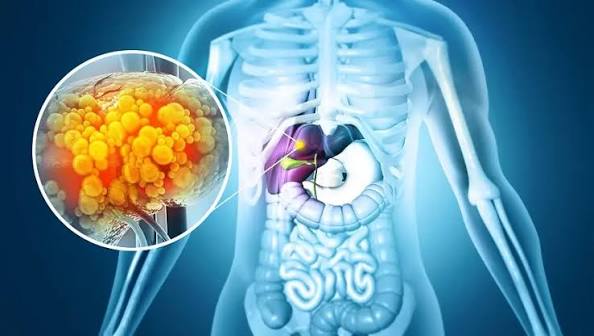
Complement factor B is produced primarily in the liver and circulates systemically. Rather than blocking the protein after it is made, sefaxersen uses antisense technology to bind the corresponding messenger RNA in hepatocytes, lowering factor B production at the source. The result is reduced complement activity that would otherwise contribute to kidney injury. Because the drug is given as a monthly self-administered injection, it offers a different convenience profile from some oral or more frequently dosed alternatives that act directly on the same pathway.
Phase 3 Interim Results
The IMAgINATION trial is a multicentre, randomised, double-blind, placebo-controlled study. At the prespecified 37-week interim analysis, sefaxersen met its primary endpoint on proteinuria reduction. Roche and Ionis have stated that the magnitude of the effect is both statistically significant and clinically meaningful. Detailed numerical data are expected at an upcoming medical meeting. The study continues in a blinded fashion to assess longer-term changes in kidney function at week 105. The companies plan to share the interim findings with health authorities and discuss next steps, including the possibility of accelerated approval pathways that rely on proteinuria as a surrogate endpoint.
Positioning in a Competitive Landscape
Several agents targeting complement or other pathways in IgAN are already approved or in late-stage development. Sefaxersen’s liver-directed antisense mechanism and monthly dosing differentiate it from small-molecule inhibitors that require more frequent administration. Roche has previously indicated peak sales potential in the range of €1–2 billion if the programme succeeds, while external estimates have been more conservative. The positive interim readout strengthens the candidate’s position as a potential best-in-class or commercially differentiated option within the growing IgAN market.
Safety and Development History
Across Phase 1 and 2 studies, sefaxersen was generally well tolerated in healthy volunteers and in patients with IgAN at high risk of progression. It also demonstrated reductions in proteinuria and in plasma complement factor B levels. The Phase 3 safety findings to date align with that earlier experience. Continued monitoring through the full two-year kidney-function evaluation will be essential to confirm the benefit–risk profile over a longer period.
Implications for Patients and Clinicians
If ultimately approved, a once-monthly self-injected therapy that meaningfully lowers proteinuria could expand treatment choices for people living with IgAN, particularly those seeking alternatives to daily oral regimens. For clinicians, an additional agent that intervenes upstream in the complement cascade would add flexibility in sequencing or combining therapies as the evidence base matures. The ongoing collection of hard kidney-outcome data will determine how strongly the drug can claim to slow progression to end-stage disease.
Outlook
The positive interim Phase 3 results for sefaxersen mark an important step for a kidney disease therapy that works by silencing a liver-derived target. Success on the proteinuria endpoint at 37 weeks supports the scientific rationale and positions the programme for regulatory discussions. The decisive evidence will come from the longer-term kidney-function data and from how the drug performs against existing and emerging competitors. For now, the findings offer early but credible promise that a liver-targeted antisense approach can deliver meaningful benefit in a progressive glomerular disease still marked by substantial unmet need.
Sources

Caprylic Triglyceride
Found this useful?