A Nitric Acid Plant That Started Up in 12 Hours
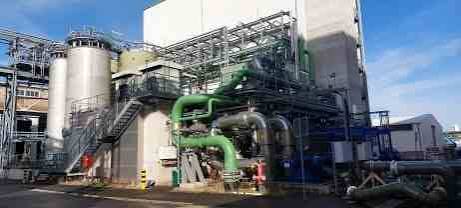
Swiss technology provider Casale has successfully started up a new 450 metric tons per day (MTD) weak nitric acid plant for BorsodChem MCHZ at its industrial site in Ostrava, Czech Republic.
The facility achieved its first nitric acid production on September 30, 2026, following a start-up sequence completed in approximately 12 hours. The initial production run yielded 100 metric tons, and steam export to the site's existing utilities has also commenced.
Delivered on a turnkey engineering, procurement, and construction (EPC) basis, the project demonstrates how integrated process technology and coordinated project execution can accelerate industrial commissioning while supporting energy recovery and downstream chemical production.
Project Overview
The new plant expands BorsodChem's nitric acid production capabilities at its Ostrava operations.
Key details include:
Technology provider: Casale
Operator: BorsodChem MCHZ
Location: Ostrava, Czech Republic
Product: Weak nitric acid (WNA)
Capacity: 450 metric tons per day
Technology: DualPURE™ dual-pressure nitric acid process
Contract awarded: 2024
First production: September 30, 2026
Start-up duration: Approximately 12 hours
Initial production run: 100 metric tons
Project delivery: Turnkey EPC
Funding support: European Union Modernisation Fund
At the time of Casale's announcement on October 1, approximately 1,000 metric tons of nitric acid had already been produced and were being used in BorsodChem's downstream facilities.
The plant remains in its planned stabilization and ramp-up phase ahead of full-capacity operation and subsequent performance testing.
Why Nitric Acid Matters to Chemical Production
Nitric acid is an important inorganic chemical used in several industrial value chains, including fertilizers, nitrates, and specialty chemical manufacturing.
At BorsodChem, the new facility supports the site's aniline production chain. Aniline is an important intermediate used in the manufacture of methylene diphenyl diisocyanate (MDI), a key raw material for polyurethane products.
Reliable nitric acid production therefore supports more than the output of a single chemical unit. It contributes to the availability of essential feedstocks for downstream manufacturing.
For integrated chemical producers, dependable intermediate supply can help reduce operational risks and improve coordination between connected production facilities.
The Technology Behind the Plant
The facility uses Casale's proprietary DualPURE™ dual-pressure nitric acid technology.
The process is designed to combine reliable production with energy efficiency, emissions management, and process safety.
Casale identifies several advantages of its dual-pressure technology, including:
High energy-export potential through heat recovery
Low ammonia consumption
Reduced catalyst losses
Corrosion-prevention design
Low-emissions operation
Extended operating campaigns
The technology can be configured for different industrial requirements, including applications in the chemical and fertilizer industries.
Actual performance depends on plant design, operating conditions, feedstock quality, and the results of commissioning and performance testing.
A 12-Hour Start-Up: Why It Matters
The approximately 12-hour start-up sequence is a notable project milestone because commissioning is a critical stage in bringing a complex chemical plant into operation.
A successful start-up requires coordination across process systems, instrumentation, utilities, safety controls, and operating procedures.
Rapid commissioning can help reduce the time between construction completion and initial production, although start-up duration alone does not establish the plant's long-term reliability or final operating efficiency.
The initial 100-ton production run demonstrated that the plant had reached first production. Subsequent output and stabilization activities are necessary to establish sustained performance.
For industrial project developers, the result highlights the importance of integrating process technology, engineering, construction, and commissioning expertise from the beginning of a project.
Steam Export Adds an Energy-Recovery Benefit
One of the project's most important features is its ability to recover and export process steam.
Steam export has already commenced, enabling the new nitric acid plant to contribute energy to BorsodChem's existing industrial utility network.
This can improve overall resource utilization by making recovered process energy available to other operations rather than allowing that energy to go unused.
Potential benefits of effective steam integration include:
Lower demand for separately generated steam
Improved energy utilization across the site
Potential reductions in utility costs
Better coordination between connected production units
Support for broader energy-efficiency objectives
The actual economic and environmental benefits will depend on the quantity and quality of exported steam, the site's utility balance, and the extent to which the recovered energy displaces other sources.
Project Delivery and Industrial Modernization
Casale received the turnkey EPC contract in 2024. The project was executed by Casale Project, the group's Czech subsidiary, under a fast-track schedule.
The turnkey structure brought together engineering, procurement, construction, and commissioning responsibilities within an integrated project-delivery model.
This approach can help coordinate technical interfaces, manage construction schedules, and prepare a facility for operation.
The project also received support from the European Union Modernisation Fund, which supports investments intended to modernize energy systems and improve energy efficiency in eligible member states.
The funding context reflects the broader importance of improving industrial performance while managing energy use and emissions.
Market Implications for Commodity Chemicals
The start-up adds a new operating reference for Casale's nitric acid technology and strengthens BorsodChem's intermediate-production infrastructure.
More broadly, the project illustrates several trends across global chemical manufacturing:
Investment in modern production technology
Greater focus on reliable feedstock supply
Increased integration of energy recovery
Continued modernization of existing industrial sites
Greater emphasis on commissioning and project execution
Use of public funding to support eligible industrial modernization projects
For commodity chemical producers, competitive performance depends not only on installed capacity but also on operating reliability, energy consumption, feedstock efficiency, and integration with downstream customers.
Competitive Intelligence
Chemical producers and industry analysts should monitor several indicators as the plant progresses toward full operation.
1. Production Ramp-Up
Track the transition from initial production to sustained operation at the plant's rated capacity.
2. Performance Testing
The upcoming performance test should help establish whether the plant meets its specified operating requirements.
3. Steam Export
Further information on steam volumes and utility integration could help quantify the project's energy-recovery contribution.
4. Downstream Integration
The extent to which the plant supports BorsodChem's aniline production chain will be important for assessing its strategic role.
5. Technology Replication
The plant adds another reference for Casale's DualPURE™ technology and may inform future projects requiring efficient nitric acid production.
Procurement Considerations
For procurement teams supporting chemical and fertilizer manufacturing, projects such as this reinforce the importance of reliable intermediate supply and efficient utility systems.
Recommended actions include:
Monitor nitric acid production and availability in relevant markets.
Evaluate supplier reliability and logistics requirements.
Review the integration of intermediate chemicals into downstream production.
Track energy and utility costs alongside feedstock prices.
Assess alternative supply arrangements for critical process chemicals.
Follow capacity additions and modernization projects that may influence regional supply-demand balances.
Although new capacity can improve supply resilience, its market impact depends on operating rates, downstream demand, and the availability of competing producers.
Looking Ahead
Casale's BorsodChem project demonstrates how modern process technology and integrated EPC execution can bring a large chemical production unit into initial operation on schedule.
The plant achieved first production after an approximately 12-hour start-up sequence, produced an initial 100 metric tons, and began exporting process steam to the site's utility network.
The next milestones are production ramp-up, full-capacity operation, and performance testing. These will help establish the plant's sustained operating performance and the practical benefits of its energy-recovery system.
For the broader chemical industry, the project reinforces the importance of combining production capacity with energy efficiency, reliable commissioning, and integration across connected manufacturing operations.
Key Takeaways
Casale started up a new 450 MTD weak nitric acid plant for BorsodChem in Ostrava, Czech Republic.
First production occurred on September 30, 2026, after an approximately 12-hour start-up sequence.
The initial production run yielded 100 metric tons, with approximately 1,000 metric tons produced by the time of the announcement.
The plant uses Casale's DualPURE™ dual-pressure technology.
Steam export has commenced, supporting integration with BorsodChem's existing utility network.
The project was delivered on a turnkey EPC basis and received support from the EU Modernisation Fund.
The plant is still progressing through stabilization and ramp-up ahead of full-capacity operation and performance testing.
Sources
https://chemxplore.com/news/casale-borsodchem-nitric-acid-startup
Found this useful?