Global Inventory Destocking Continues to Squeeze Indian Agrochemical Intermediate Producers
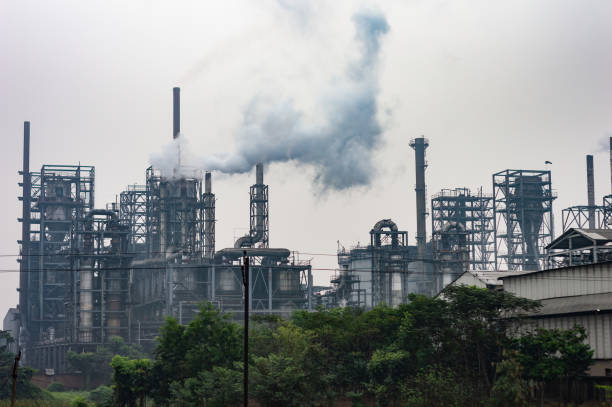
Global inventory destocking continues to challenge India's specialty chemicals industry, placing additional pressure on agrochemical intermediate manufacturers. After a period of elevated inventory levels driven by post-pandemic demand fluctuations and supply chain disruptions, customers across major markets have focused on reducing existing stock before placing new orders. At the same time, fluctuating raw material prices have added another layer of uncertainty for producers.
For Indian manufacturers, these combined factors have resulted in softer demand, pricing pressure, and cautious procurement activity. While the long-term outlook for agrochemicals remains positive due to growing global food demand, short-term market conditions continue to test profitability across the specialty chemicals sector.

Why Inventory Destocking Matters
Inventory destocking occurs when distributors, traders, and manufacturers deliberately reduce existing inventories instead of purchasing additional materials. Although this helps buyers optimize working capital, it can temporarily reduce demand across the chemical supply chain.
For agrochemical intermediate producers, inventory corrections often result in:
Lower order volumes from domestic and international customers
Increased pricing competition among suppliers
Reduced production utilization rates
Slower export demand
Greater pressure on operating margins
More cautious procurement decisions throughout the value chain
As inventory levels gradually normalize, purchasing activity typically recovers, helping stabilize demand for specialty chemicals and agrochemical intermediates.
Agrochemical intermediate production depends on a reliable supply of essential industrial chemicals such as Caustic Soda, Acetic Acid, Hydrochloric Acid (HCl), Methanol, Hydrogen Peroxide, and Formic Acid. Fluctuations in raw material pricing and inventory levels can directly impact manufacturing costs, production planning, and procurement decisions throughout the agrochemical value chain.

Hydrochloric Acid (33%) - India
Market Implications
The ongoing inventory correction is influencing several areas of the agrochemical market.
Key market impacts include:
Softer global demand for agrochemical intermediates
Continued volatility in raw material prices
Increased competition among specialty chemical manufacturers
Delayed customer purchasing decisions
Pressure on export-oriented Indian chemical companies
Greater focus on operational efficiency and cost management
Despite current challenges, India's specialty chemicals industry remains supported by its competitive manufacturing capabilities, skilled workforce, and growing role in global chemical supply chains.
Procurement Considerations
Procurement professionals should use the current market environment as an opportunity to strengthen sourcing strategies while remaining prepared for future demand recovery.
Recommended actions include:
Monitor inventory trends across global markets
Track raw material price movements regularly
Diversify sourcing across multiple suppliers
Review long-term purchasing agreements for flexibility
Strengthen supplier relationships during periods of lower demand
Balance inventory optimization with supply security
Maintaining procurement flexibility can help businesses capitalize on favorable pricing while minimizing supply risks as market conditions evolve.
Looking Ahead
Although inventory destocking continues to weigh on short-term demand, the long-term fundamentals for agrochemical intermediates remain encouraging. Global population growth, increasing food security requirements, and the continued need for crop protection products are expected to support future demand.
As inventories normalize and raw material markets stabilize, Indian specialty chemical manufacturers are well positioned to benefit from renewed purchasing activity. Companies that maintain efficient operations, diversified customer bases, and resilient supply chains are likely to recover more quickly as market conditions improve.
Key Takeaways
Global inventory destocking continues to reduce demand for Indian agrochemical intermediate producers.
Fluctuating raw material prices are adding further pressure on industry margins.
Export-oriented specialty chemical manufacturers remain cautious as customers delay new purchases.
Procurement teams should monitor inventory cycles and maintain flexible sourcing strategies.
Long-term demand for agrochemical intermediates remains supported by global agricultural growth.
Found this useful?