A Romanian Refinery Goes Solar
A Romanian Refinery Goes Solar
Rompetrol Brings Solar Power to Its Petromidia Refinery
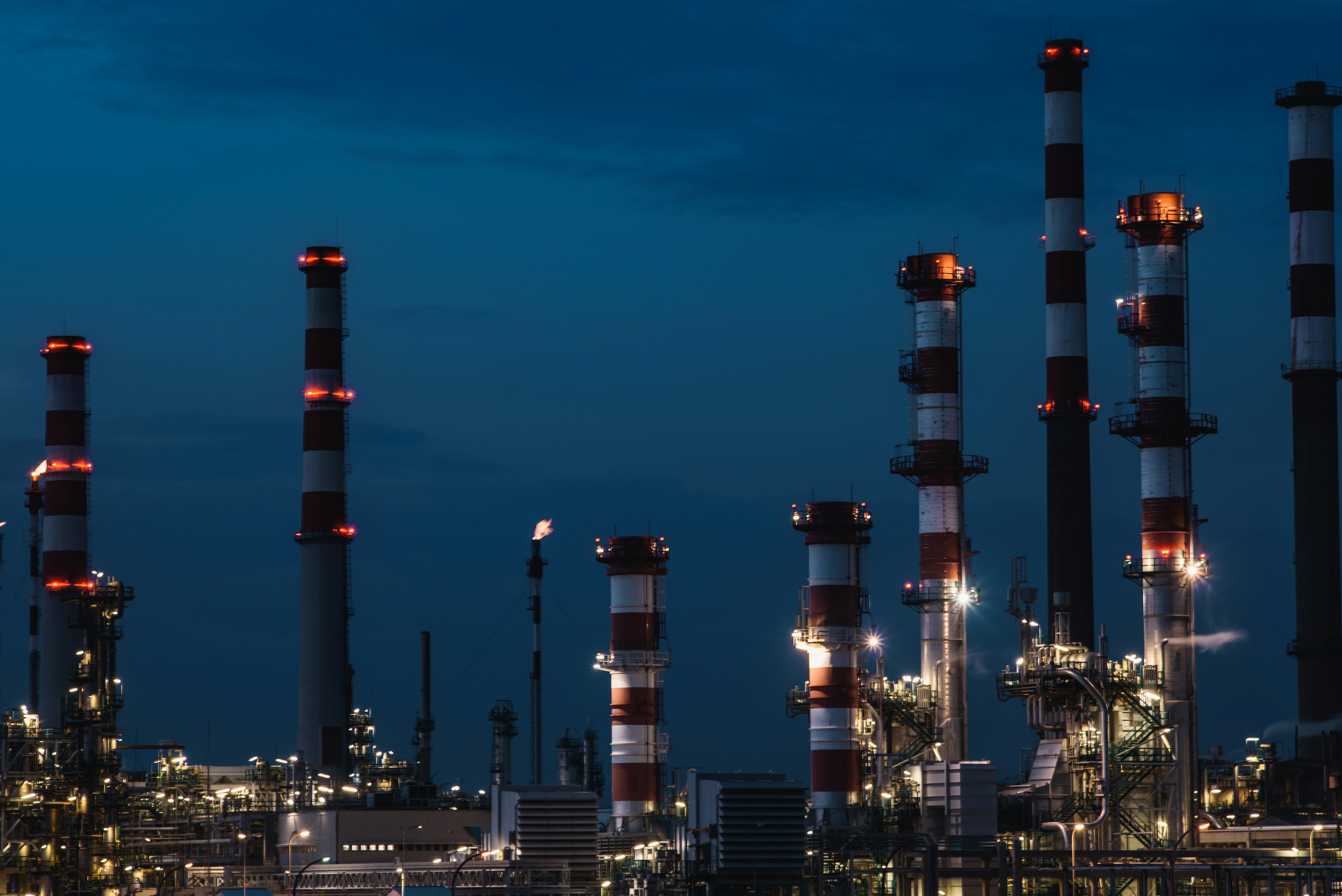
Romania’s Petromidia refinery is preparing to add solar electricity to its energy supply as its operator, Rompetrol Rafinare, advances a new renewable energy project in Năvodari, on the Black Sea coast.
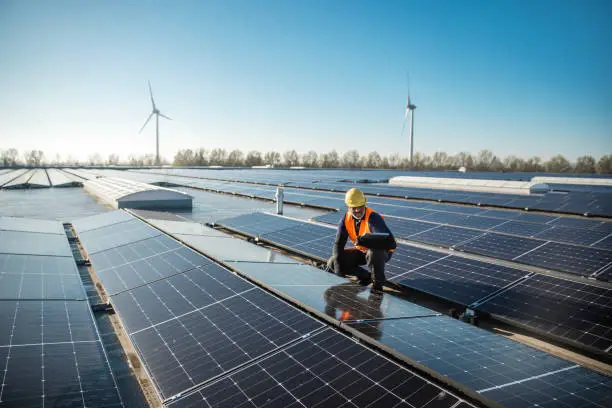
Announced on October 8, 2026, the project involves building a 9.4-megawatt (MW) photovoltaic power plant within the Petromidia industrial site. The electricity generated will be used entirely for the refinery’s own operations rather than being sold to external customers.
The project has an estimated investment value of approximately RON 44 million, including around RON 14 million in non-refundable funding from Romania’s Modernisation Fund. Rompetrol Rafinare will provide the remaining investment.
The solar installation is scheduled for implementation by December 31, 2028. It forms part of the company's wider effort to reduce operating costs, increase renewable energy use and lower the environmental footprint of its refining activities.
How Much Electricity Will the Solar Plant Produce?
The planned photovoltaic installation is expected to generate more than 9,800 megawatt-hours (MWh) of renewable electricity annually.
All of this electricity is intended for internal consumption at Petromidia. Using the power directly at the refinery can help offset a portion of the electricity the facility would otherwise obtain from its existing energy supply arrangements.
Rompetrol estimates that the project will reduce greenhouse gas emissions by approximately 6,024 tonnes of CO₂ per year.
These figures are projections rather than measured operating results because the plant has not yet been completed. Actual generation and emissions savings will depend on solar conditions, equipment performance, refinery electricity demand and the electricity sources being displaced.

The 9.4 MW installation will not supply all of Petromidia’s energy needs. Instead, it will contribute a renewable component to the refinery’s broader energy system.
Why Solar Energy Matters for an Oil Refinery
Refineries consume substantial amounts of energy to operate pumps, compressors, control systems, processing equipment and other industrial infrastructure. Electricity is only one part of their total energy demand, but replacing some conventional electricity consumption with solar power can still help reduce operational emissions.
The Petromidia project offers several potential benefits.
Lower emissions from electricity consumption
Solar panels generate electricity without direct combustion during operation. When that electricity replaces more carbon-intensive grid power or other emitting electricity sources, it can reduce associated greenhouse gas emissions.
Greater use of renewable energy
Producing electricity on-site allows the refinery to use renewable power directly in its industrial processes. This increases the share of electricity sourced from solar energy and reduces reliance on other supply sources for the equivalent amount of consumption.
Potential operating cost benefits
Generating some electricity on-site can help reduce exposure to electricity purchases, although the financial outcome will depend on the plant’s investment costs, maintenance, output and the price of alternative electricity.
Support for industrial decarbonization
The solar project contributes to Rompetrol Rafinare’s broader environmental and energy-efficiency initiatives. It also reflects a wider industrial trend in which manufacturers and energy companies add renewable generation to existing sites rather than relying exclusively on external power supplies.
The Role of Romania’s Modernisation Fund
The project is receiving financial support through Romania’s Modernisation Fund, which supports investments connected with the modernization of energy systems and the transition toward lower-carbon energy.
Of the approximately RON 44 million allocated to the Petromidia project, around RON 14 million is expected to come from non-refundable funding, with Rompetrol Rafinare contributing approximately RON 30 million.
This funding structure helps cover part of the upfront investment needed to develop renewable electricity generation at an energy-intensive industrial facility.
Public support can be particularly relevant for projects that require significant initial capital before delivering benefits through reduced electricity purchases and lower emissions over time.
The project’s stated completion deadline is December 31, 2028, in line with the relevant funding requirements.
Petromidia Already Has Other Energy Infrastructure
The solar project is part of a broader energy system at Petromidia rather than a standalone solution.
The refinery already benefits from an 80 MW cogeneration plant, which entered commercial operation at the end of 2025. Cogeneration systems produce electricity and useful heat from the same energy input, helping supply the energy needs of industrial operations.
The new photovoltaic plant will complement this existing infrastructure by providing renewable electricity during periods of solar generation.
The combination illustrates how an industrial site can use several technologies to meet different parts of its energy demand. Cogeneration can provide electricity and process steam, while solar generation can offset some electricity consumption when sunlight is available.
The contribution from solar power will vary with weather and time of day, so it will operate alongside—not replace—the refinery’s existing energy infrastructure.
A Wider Renewable Energy Strategy Across Rompetrol’s Refineries
Petromidia is not the only Romanian refinery in Rompetrol Rafinare’s renewable energy programme.
In August 2026, the company announced a separate solar-and-storage project at the Vega refinery in Ploiești. That development involves a photovoltaic installation with 4.8 MW of installed capacity and a battery energy storage system of approximately 9 MWh.
The Vega project is expected to generate more than 6,200 MWh of renewable electricity annually, all for internal consumption. The company estimates that it could reduce greenhouse gas emissions by more than 3,800 tonnes of CO₂ each year.
The inclusion of battery storage at Vega is intended to improve the management of solar generation and help align electricity availability with the refinery’s operational demand.
Together, the Petromidia and Vega projects show how solar generation can be adapted to different industrial sites, with energy storage included where it supports the operating requirements.
What the Project Means for Romania’s Industrial Energy Transition
The Petromidia solar installation represents a practical step toward integrating renewable electricity into a conventional refining operation.
Its planned annual generation of more than 9,800 MWh will provide only part of the refinery’s total energy requirements, but it is designed to contribute directly to on-site consumption. The estimated annual emissions reduction of 6,024 tonnes of CO₂ also gives the project a measurable environmental target.
The broader significance lies in the integration of renewable energy with existing industrial infrastructure. Refineries and other energy-intensive facilities can pursue incremental emissions reductions through solar power, cogeneration improvements, electrification and other efficiency measures.
Petromidia’s next milestone is the implementation of the photovoltaic plant by the end of 2028. Once operational, actual electricity generation and emissions performance will determine how closely the project meets its stated targets.
Sources
Rompetrol Rafinare — Official announcement, October 8, 2026: Photovoltaic power plant for the Petromidia refinery
Rompetrol Rafinare — Project details: Photovoltaic Project – Petromidia Refinery
Oil & Gas Journal — October 8, 2026: Rompetrol targets 2028 startup for two refinery solar projects
Rompetrol Rafinare — August 21, 2026: Renewable energy investment at the Vega refinery

Alkyd Resin - Long Oil
Found this useful?