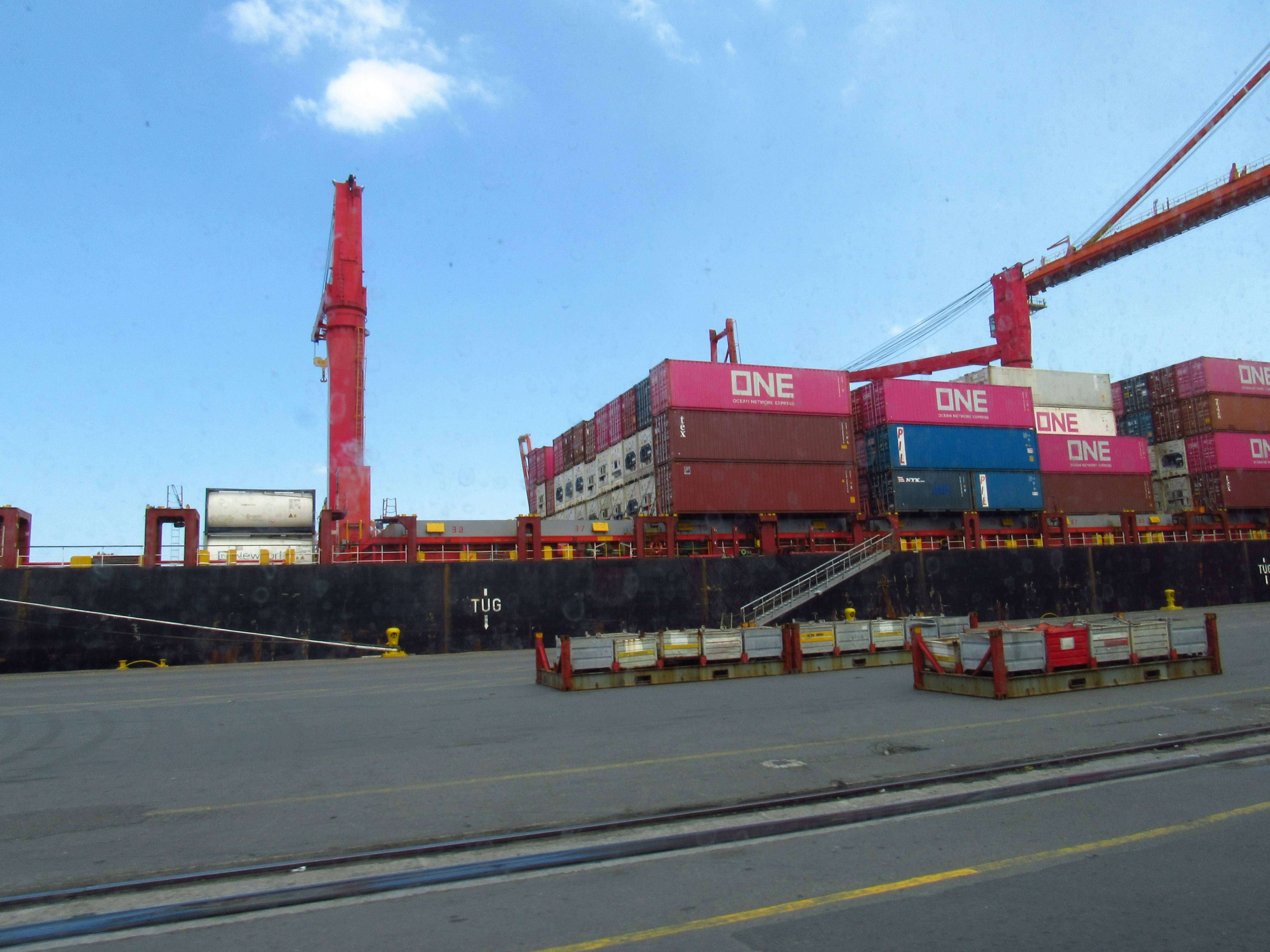
A Second Chokepoint at Risk: What Bab el-Mandeb Closure Means for API Shipping Routes
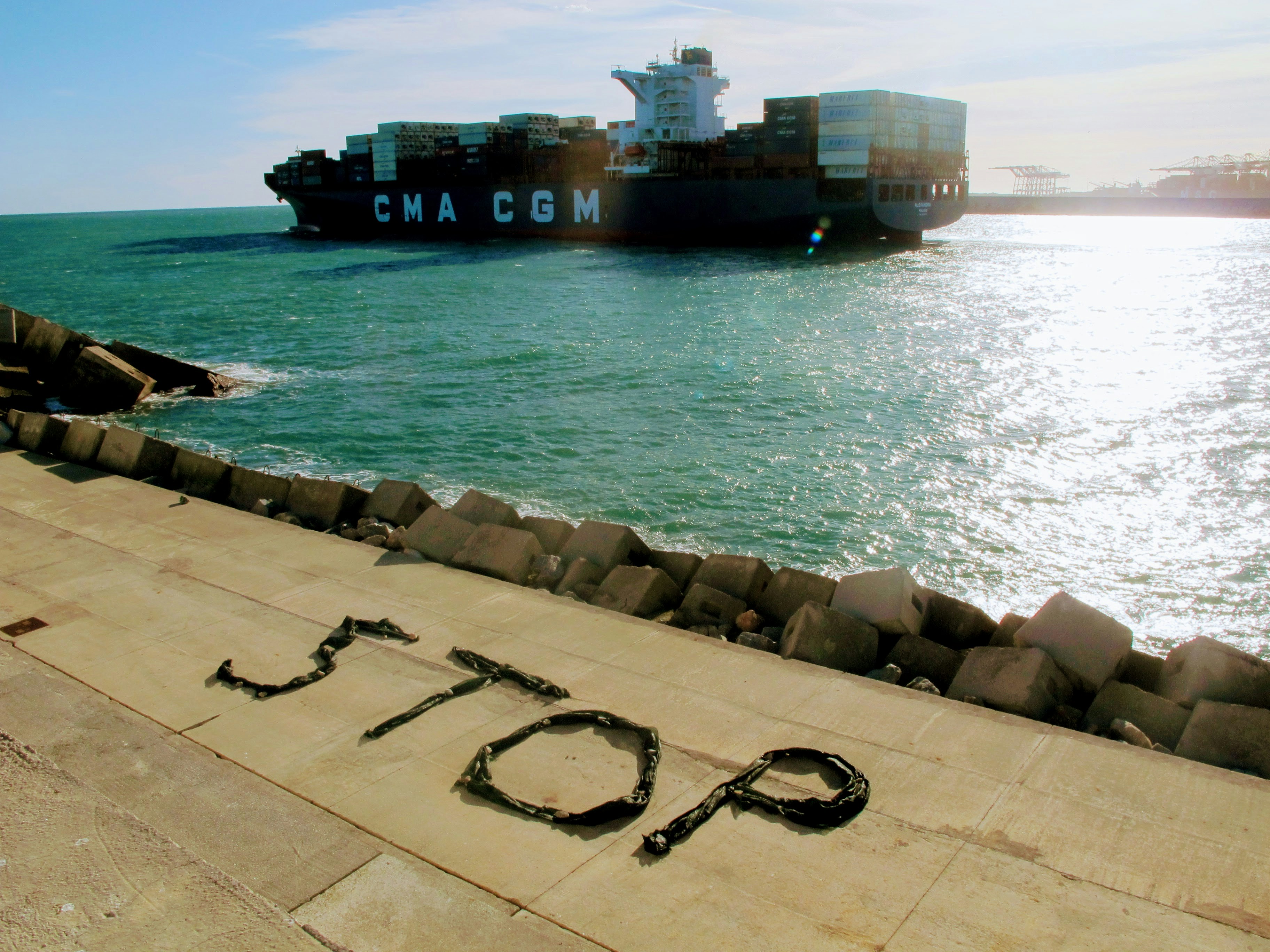
A Second Chokepoint at Risk: What Bab el-Mandeb Closure Means for API Shipping Routes
Introduction
Global pharmaceutical supply chains are facing renewed uncertainty as concerns grow over the security of the Bab el-Mandeb Strait, one of the world's most strategically important maritime chokepoints. Connecting the Red Sea to the Gulf of Aden and the Indian Ocean, the passage serves as a vital gateway for international trade between Asia, the Middle East, Europe, and North America.
If shipping through Bab el-Mandeb were to be significantly disrupted or temporarily closed, Active Pharmaceutical Ingredient (API) supply chains could experience longer transit times, higher freight costs, and increased procurement risks. Combined with ongoing uncertainty surrounding the Strait of Hormuz, businesses are increasingly evaluating how multiple maritime chokepoints could reshape global pharmaceutical logistics.
Why Bab el-Mandeb Matters for API Trade
Bab el-Mandeb is a critical link connecting manufacturers in Asia with pharmaceutical producers and healthcare markets in Europe, North Africa, and parts of the Americas.
The route supports transportation of:
Active Pharmaceutical Ingredients (APIs)
Pharmaceutical intermediates
Excipients
Finished medicines
Laboratory chemicals
Medical devices
Temperature-sensitive pharmaceutical products
A disruption at this chokepoint would affect thousands of commercial vessels and global pharmaceutical trade flows.
Potential Impact of a Closure
A significant disruption to maritime traffic would likely force vessels to divert around the Cape of Good Hope, adding considerable distance and transit time to international shipments.
Possible consequences include:
Longer delivery schedules.
Increased ocean freight rates.
Higher marine insurance premiums.
Greater fuel consumption.
Reduced vessel availability.
Increased inventory carrying costs.
These factors could substantially increase the total landed cost of pharmaceutical ingredients.
Implications for API Manufacturers
Many pharmaceutical manufacturers rely on predictable shipping schedules to support lean manufacturing and just-in-time inventory systems.
Extended transit times could result in:
Delayed API deliveries.
Production scheduling challenges.
Higher working capital requirements.
Increased safety stock levels.
Greater procurement uncertainty.
Manufacturers sourcing from Asia while supplying Europe and North America would likely experience the greatest logistical impact.
Broader Pharmaceutical Supply Chain Risks
The pharmaceutical industry already faces multiple supply chain pressures, including regulatory requirements, geopolitical tensions, and transportation constraints.
A disruption at Bab el-Mandeb could intensify challenges across:
Generic pharmaceutical manufacturing.
Biologics production.
Sterile injectable supply chains.
Vaccine distribution.
Clinical trial logistics.
Specialty pharmaceutical products.
For temperature-controlled cargo, longer shipping times may also increase cold-chain management complexity and transportation costs.
Procurement Strategies to Reduce Risk
Procurement leaders should strengthen resilience by preparing for potential shipping disruptions before they occur.
Recommended actions include:
Diversify Supply Sources
Reduce dependence on a single manufacturing region or supplier network where feasible.
Increase Supply Chain Visibility
Use real-time maritime intelligence, vessel tracking, and logistics analytics to monitor route conditions.
Reassess Inventory Policies
Maintain appropriate safety stock for critical APIs and high-priority pharmaceutical materials.
Evaluate Alternative Logistics Routes
Consider multimodal transportation or alternate shipping corridors for time-sensitive products.
Strengthen Supplier Collaboration
Coordinate closely with suppliers, freight forwarders, and logistics providers to develop contingency shipping plans.
What Businesses Should Monitor
Procurement and logistics teams should continue tracking:
Maritime security developments in the Red Sea.
Vessel traffic through Bab el-Mandeb.
Ocean freight rate movements.
War-risk insurance premiums.
Carrier routing announcements.
Port congestion updates.
Fuel price fluctuations.
Continuous monitoring enables organizations to make informed sourcing and logistics decisions as conditions evolve.
Conclusion
The possibility of disruption at Bab el-Mandeb highlights the growing vulnerability of global pharmaceutical supply chains to geopolitical events affecting critical maritime corridors. As one of the world's most important shipping gateways, any significant interruption would have far-reaching consequences for API transportation, freight costs, and production planning.
For pharmaceutical manufacturers and procurement teams, resilient supply chains now require more than competitive sourcing. Diversified supplier networks, enhanced logistics visibility, strategic inventory management, and proactive geopolitical risk monitoring will be essential to maintaining reliable medicine supplies in an increasingly uncertain global trade environment.

Alkalized Cocoa Powder

Found this useful?