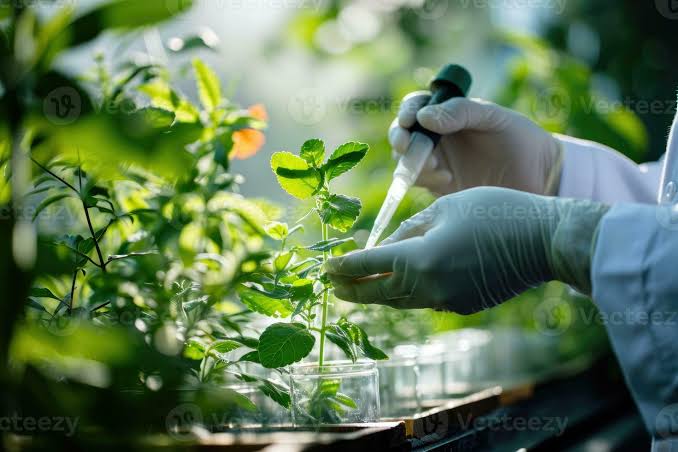
Sustainable Crop Protection Innovation and Green Chemistry Priorities
The ACS Green Chemistry Challenge Award for sustainable crop protection highlights a significant direction in agrochemical innovation: developing products that can deliver effective crop protection while reducing environmental impact. Recognition of this work signals how sustainability is becoming increasingly connected with regulatory expectations across the agricultural chemicals sector.
For chemical manufacturers and traders, this shift has commercial implications throughout the supply chain. Buyers are increasingly interested not only in whether an ingredient works but also in its environmental profile, manufacturing efficiency, persistence and overall impact across its lifecycle.
The change creates opportunities for suppliers that can support lower-impact formulations and greener production processes. It also raises the importance of technical documentation, regulatory alignment and consistent quality for companies supplying chemicals into crop protection markets.
Why Sustainable Crop Protection Is Becoming a Priority
Agricultural productivity depends heavily on effective crop protection. Farmers need solutions that control pests, diseases and competing vegetation while protecting crop yields and maintaining economically viable production.
At the same time, regulators and agricultural stakeholders are placing greater emphasis on environmental performance. Concerns around persistence, ecological effects, residues and resource consumption increasingly influence how crop protection products reach the market.
Green chemistry provides a framework for addressing these challenges at the molecular and manufacturing levels. Instead of treating environmental performance as an additional feature after product development, manufacturers can incorporate it into the design process.
This approach can influence everything from active ingredients and solvents to formulation technology and manufacturing routes.
What Green Chemistry Means for Agrochemical Development
Green chemistry focuses on designing chemical products and processes that reduce or eliminate the use and generation of hazardous substances. In crop protection, that principle can influence both the chemistry of the active ingredient and the way manufacturers produce and formulate it.
A more sustainable crop protection product may seek improvements in several areas:
Lower environmental persistence: Products can be designed to perform their intended function without remaining in the environment longer than necessary.
Reduced toxicity concerns: Developers can consider effects on non-target organisms while maintaining the required agricultural performance.
Efficient synthesis: Manufacturing routes can aim to reduce waste, energy use and unnecessary processing steps.
Safer formulation components: Solvents and additives can receive greater attention during formulation development.
Improved application efficiency: Formulations that deliver active ingredients more effectively can potentially reduce material requirements.
These objectives can influence purchasing decisions because the environmental profile of a final agricultural product depends on the materials and processes used throughout its development.
Regulatory Expectations Are Influencing Product Design
Environmental regulation increasingly affects the commercial viability of agrochemical products. Manufacturers must consider regulatory requirements during development rather than waiting until the final stage of commercialization.
This changes the role of chemical suppliers. A supplier that provides consistent quality and detailed technical information can help manufacturers assess whether an ingredient fits their formulation and regulatory strategy.
Documentation can become particularly important when buyers evaluate:
Chemical identity and purity.
Impurity profiles.
Manufacturing processes.
Environmental characteristics.
Product consistency.
Storage and handling requirements.
Regional regulatory status.
As regulatory expectations evolve, suppliers with strong quality systems and transparent documentation can offer more value than suppliers competing primarily on price.
How Sustainable Chemistry Can Change the Chemical Supply Chain
The movement toward greener agrochemicals can affect upstream chemical sourcing. Manufacturers may begin asking suppliers for materials that offer improved environmental characteristics or support more efficient production processes.
This demand can extend beyond active ingredients. Solvents, catalysts, formulation aids and other chemical inputs can all contribute to the environmental profile of a finished crop protection product.
Chemical traders can respond by developing product portfolios around specific sustainability requirements. Instead of presenting a broad commodity catalogue, suppliers can identify materials suitable for manufacturers pursuing greener formulation and production strategies.
This creates a stronger role for technical sales teams. Buyers increasingly need information about how a chemical performs within a formulation or process, not simply its quoted price and availability.
Procurement Priorities Are Moving Beyond Price
Agricultural chemical procurement traditionally focuses on factors such as cost, purity, delivery reliability and production capacity. Sustainability considerations increasingly add another layer to supplier evaluation.
For procurement managers, the shift does not mean ignoring cost. Instead, companies must evaluate total value across regulatory risk, production efficiency, supply continuity and environmental performance.
A sustainable sourcing assessment can include:
Technical suitability: Confirm that the chemical meets the required formulation or manufacturing specifications.
Quality consistency: Review batch-to-batch performance and supplier quality controls.
Regulatory documentation: Confirm that the supplier can provide the information required for regional compliance.
Environmental profile: Assess relevant sustainability characteristics and potential environmental concerns.
Supply reliability: Evaluate production capacity, lead times and logistics.
Lifecycle considerations: Consider how the chemical affects waste generation, energy consumption and downstream processing.
This broader assessment can help procurement teams identify suppliers that support both commercial and regulatory objectives.
Challenges for Suppliers Adapting to Green Chemistry Demand
The transition toward greener crop protection will not happen without challenges. Alternative chemicals may cost more, require new production equipment or demand additional technical validation.
Supply chains can also become more complex when manufacturers introduce new materials. A procurement team may need to qualify new suppliers, conduct formulation testing and assess regulatory documentation before switching from an established input.
Chemical traders can reduce these barriers by offering reliable technical information and multiple sourcing options. Supplier relationships become particularly valuable when customers need to compare conventional materials with lower-impact alternatives.
Companies that understand both chemistry and procurement requirements can help accelerate adoption.
What the Trend Means for Chemical Manufacturers
Manufacturers can respond to the changing market by integrating environmental considerations earlier in product development. This can reduce the risk of developing a technically successful product that later faces regulatory or commercial obstacles.
Product development teams can evaluate raw materials, synthesis routes and formulation components together. Procurement teams can then translate those requirements into supplier specifications.
This creates closer collaboration between research, regulatory affairs, manufacturing and purchasing departments. The result can be a more integrated approach to product development in which sustainability becomes part of commercial planning rather than a separate initiative.
The Bottom Line for Agricultural Chemical Buyers
The ACS Green Chemistry Challenge Award for sustainable crop protection signals a broader movement toward agrochemical innovation that combines agricultural performance with reduced environmental impact. Regulatory expectations are helping reinforce this direction by placing greater emphasis on the environmental characteristics of chemical products and processes.
For chemical traders and procurement managers, the opportunity lies in anticipating how these requirements will affect raw materials. Suppliers that can provide consistent quality, reliable documentation and suitable lower-impact chemical inputs will be better positioned as manufacturers adapt their portfolios.
The future of sustainable crop protection will depend on practical chemistry, reliable supply chains and regulatory-aligned product development. Companies that connect these priorities can strengthen their position in an agricultural chemicals market increasingly shaped by environmental performance.
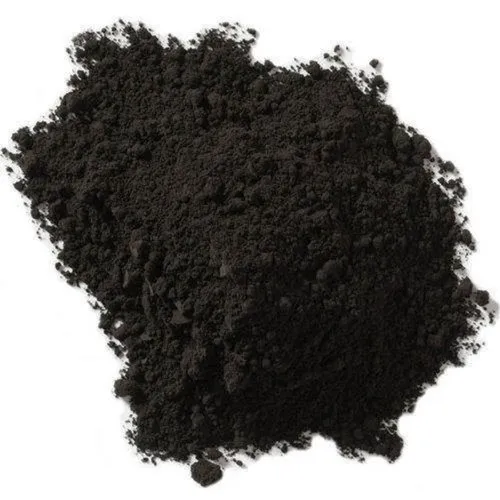
Activated Carbon (Granular) - India
Found this useful?