A Surfactant Made From Captured Carbon Hits Store Shelves
A Surfactant Made From Captured Carbon Hits Store Shelves
A new class of surfactant has moved from laboratory concept to commercial reality. UK company Viridi has introduced Vireya, an anionic surfactant produced using captured carbon dioxide as a principal feedstock. Marketed as the world’s first commercial anionic surfactant of its kind, Vireya is designed for home-care and personal-care applications and is already being tested and developed with major manufacturers and brand owners. By replacing a portion of traditional fossil- or palm-derived carbon with upcycled CO₂, the ingredient aims to cut product carbon footprint while maintaining performance and mildness.
What Makes Vireya Different
Conventional anionic surfactants typically rely on oleochemical (often palm-kernel) or petrochemical feedstocks. Vireya incorporates captured CO₂—up to around one-third of the molecule’s carbon content according to the company—through a proprietary catalytic process. The technology is intended to run in existing chemical assets, lowering the barrier to scale-up. The resulting surfactant is free of palm-derived material and of 1,4-dioxane, a byproduct sometimes associated with ethoxylated ingredients.
Performance and Sustainability Claims
Viridi reports that Vireya can deliver up to a 70% reduction in product carbon footprint compared with incumbent benchmarks, alongside a substantial improvement in skin mildness. These attributes address two pressures facing formulators: the need to lower Scope 3 emissions and the demand for gentler surfactants in leave-on and rinse-off products. Because the process avoids palm feedstocks, it also supports compliance with regulations such as the EU Deforestation Regulation.
Path to Commercial Availability
The surfactant has progressed from development into commercial supply and active evaluation by major manufacturers. Collaboration with established chemical companies has helped accelerate scale-up. Recognition at industry events, including top placement in a renewable-materials innovation award, has further raised visibility. While full retail “store shelf” presence will appear first inside finished consumer products rather than as a standalone ingredient, the transition from pilot to commercial volumes marks the point at which brands can begin formulating at scale.
Implications for Formulators and Brands
For personal-care and home-care companies, a drop-in or near-drop-in CO₂-based anionic surfactant offers a practical route to reduce the carbon intensity of high-volume cleaning and cleansing products without waiting for entirely new surfactant chemistries. Compatibility with existing manufacturing assets is a key practical advantage. Brands can use the ingredient to support lower-carbon and deforestation-free claims, provided the full supply-chain accounting is transparent and third-party verified.
Broader Context of Carbon-Utilisation Chemicals
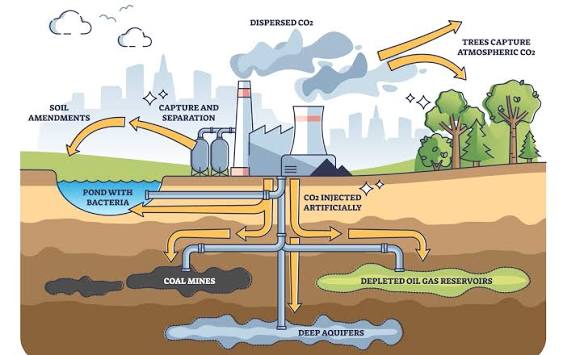
Vireya sits within a growing set of carbon-capture-and-utilisation (CCU) chemicals that convert waste CO₂ into functional molecules rather than simply storing it. Surfactants are an attractive target because they are produced at large scale, appear in everyday products, and have traditionally depended on contested feedstocks. Success will depend on consistent CO₂ supply, competitive cost at volume, and continued demonstration that performance matches or exceeds conventional alternatives.
Outlook
The commercial arrival of a surfactant made from captured carbon gives formulators a tangible new option for lower-carbon, palm-free anionic systems. As volumes grow and more finished products incorporating Vireya reach consumers, the industry will gain clearer evidence of real-world carbon savings and consumer acceptance. For now, the launch itself signals that carbon-utilised ingredients have moved beyond pilot projects and into the supply chains that feed store shelves.
Sources
Monochloroacetic Acid - India
Found this useful?