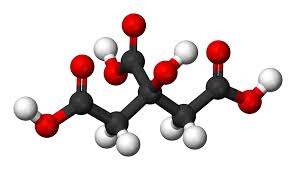
Acetic Acid's Regulatory Cousins: What 2,4-D and Citric Acid Trade Orders Reveal About U.S. Organic-Acid Trade Policy
Recent U.S. trade actions involving 2,4-dichlorophenoxyacetic acid (2,4-D) and citric acid are offering valuable insight into the government's evolving approach toward organic acid imports. In 2025, the U.S. Department of Commerce imposed antidumping duties on 2,4-D imports from India and China, while in May 2026 it continued the antidumping and countervailing duty (AD/CVD) orders on citric acid from China.
Although acetic acid is not currently subject to the same measures, these regulatory developments highlight the growing importance of trade policy across the broader organic acids sector. For importers, distributors, and procurement professionals, understanding these policy trends is becoming increasingly important when managing sourcing strategies and regulatory risk.

Why Organic Acid Trade Policy Matters
Organic acids are essential raw materials used across a wide range of industrial and consumer applications. Changes in trade regulations can influence import costs, supplier competitiveness, and long-term procurement decisions.
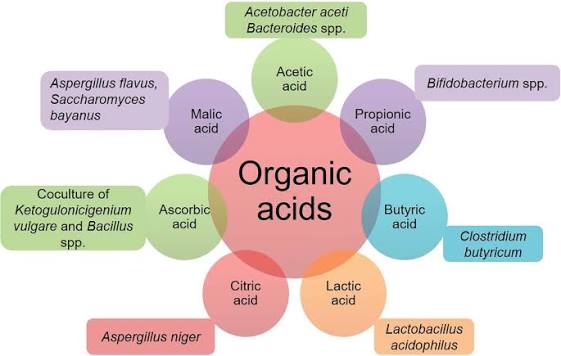
Major organic acids include:
Acetic Acid
Glacial Acetic Acid (E260)
Citric Acid
Formic Acid
Oxalic Acid
Lactic Acid
Propionic Acid
2,4-Dichlorophenoxyacetic Acid (2,4-D)
As governments increase scrutiny of imported chemical products, companies may face changing tariff structures, compliance requirements, and sourcing decisions.
Market Implications
Recent trade actions may contribute to:
Greater regulatory oversight of organic acid imports
Increased uncertainty for import-dependent buyers
Shifting sourcing strategies toward alternative suppliers
Changes in regional pricing dynamics
Higher compliance and trade monitoring requirements
Greater emphasis on diversified supply chains
While current measures target specific products, the broader trend suggests trade policy will continue to influence purchasing decisions across the chemical sector.
Procurement Considerations
Procurement professionals should:
Monitor U.S. antidumping and countervailing duty developments
Diversify supplier networks across multiple countries
Evaluate tariff exposure before signing long-term contracts
Stay informed about trade policy affecting chemical imports
Review sourcing strategies for key organic acids
Build flexibility into procurement and inventory planning
Proactive monitoring of regulatory developments can help businesses reduce trade-related risks while maintaining supply continuity.
Looking Ahead
Trade remedies are expected to remain an important policy tool as governments seek to protect domestic industries from unfair import competition. While Acetic Acid currently remains outside these specific investigations, procurement teams should closely monitor future regulatory developments affecting the broader organic acids market.
Companies that diversify sourcing, strengthen compliance practices, and remain informed about evolving trade policy will be better positioned to manage future market changes.
Key Takeaways
Recent U.S. trade actions on 2,4-D and Citric Acid highlight increased regulatory scrutiny of organic acid imports.
Acetic Acid is not currently covered but remains part of the broader organic acids market.
Trade policy may influence sourcing strategies, pricing, and supplier selection.
Procurement teams should monitor antidumping and countervailing duty developments.
Diversified sourcing helps reduce regulatory and supply chain risk.
Found this useful?