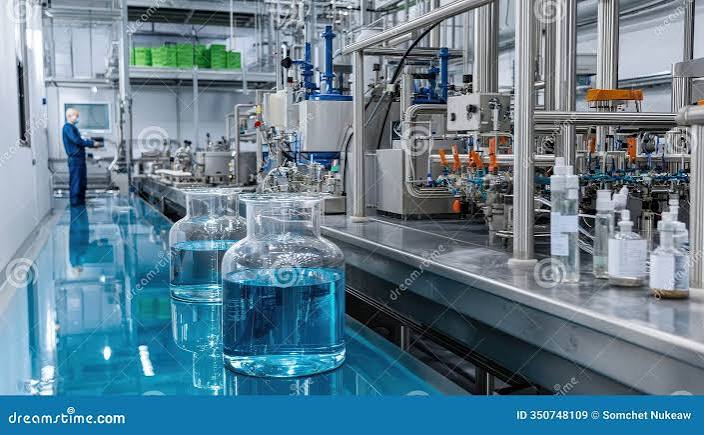
Butyl Acrylate: Uses in Adhesives, Paints and Polymers
Butyl Acrylate is an important industrial chemical used in the production of adhesives, paints, coatings and specialty polymers. As a versatile acrylic monomer, it helps manufacturers develop materials with flexibility, durability, adhesion and resistance to environmental conditions.
Its applications extend across construction, automotive manufacturing, packaging, textiles and industrial coatings. Manufacturers value Butyl Acrylate because it can combine with other monomers to create polymers with different performance characteristics.
For chemical traders, procurement managers and industrial buyers, understanding Butyl Acrylate uses and market dynamics helps identify sourcing opportunities and manage raw material requirements. Product quality, supplier reliability, storage conditions and transportation arrangements all play important roles in purchasing decisions.
What Is Butyl Acrylate and How Is It Produced?
Butyl Acrylate, also known as n-Butyl Acrylate, is an organic chemical compound belonging to the acrylate ester family. Its molecular formula is C₇H₁₂O₂, and its CAS number is 141-32-2.
It generally appears as a clear, colorless liquid with a characteristic fruity odor. Its primary industrial purpose is to serve as a monomer in the production of acrylic polymers and copolymers.
Butyl Acrylate Production Process
Manufacturers commonly produce Butyl Acrylate through the esterification of acrylic acid with n-butanol. The reaction takes place under controlled industrial conditions using suitable catalysts.
The production process generally involves:
Raw material preparation: Manufacturers prepare acrylic acid and n-butanol according to production requirements.
Esterification: The raw materials react to form Butyl Acrylate and water.
Separation: The reaction mixture undergoes separation to recover the desired chemical.
Purification: Additional processing removes impurities and unreacted materials.
Product stabilization: Manufacturers maintain suitable inhibitor levels to help control unwanted polymerization.
Storage and distribution: The finished product moves into appropriate storage and transportation systems.
Product quality depends on process control, purity and inhibitor management. Buyers should review the technical specifications and certificate of analysis before accepting a shipment.
Key Chemical Properties
Important characteristics of Butyl Acrylate include:
Molecular formula: C₇H₁₂O₂
CAS number: 141-32-2
Molecular weight: 128.17 g/mol
Physical appearance: Clear, colorless liquid
Boiling point: Approximately 145°C
Flash point: Approximately 41°C
Water solubility: Very low
These characteristics influence its industrial processing, storage and transportation requirements.
CID 8846 - PubChem+1
Major Uses of Butyl Acrylate Across Industries
Butyl Acrylate supports several industrial applications because manufacturers can incorporate it into different polymer formulations. Its contribution to flexibility, adhesion and durability makes it particularly useful in acrylic-based products.
1. Adhesives and Sealants
Adhesives represent one of the major application areas for Butyl Acrylate.
Manufacturers use it to produce acrylic polymers and pressure-sensitive adhesive formulations. These materials provide bonding performance across different substrates and industrial applications.
Common uses include:
Pressure-sensitive tapes and labels.
Construction adhesives.
Packaging adhesives.
Industrial bonding products.
Sealants for building and manufacturing applications.
Butyl Acrylate-based copolymers can provide flexibility and adhesion, helping manufacturers develop products for different bonding requirements.
2. Paints and Protective Coatings
Paints and coatings are important downstream markets for Butyl Acrylate.
Manufacturers use it in acrylic emulsions and polymer dispersions that serve as binders in water-based paints. These formulations can provide useful film formation, flexibility and weather resistance.
Its applications include:
Architectural paints.
Interior and exterior coatings.
Industrial protective coatings.
Automotive coatings.
Wood and metal finishes.
In coating formulations, the choice of monomer combination influences the final product's hardness, flexibility, adhesion and resistance to environmental exposure.
3. Polymer and Resin Manufacturing
Butyl Acrylate plays an important role in acrylic polymer and copolymer production.
By combining it with other monomers, manufacturers can adjust the characteristics of the resulting polymer for specific applications. These materials support the production of flexible resins, polymer dispersions and specialty formulations.
Industries use these polymers in plastics, synthetic materials, coatings and industrial compounds.
4. Textile and Leather Processing
The textile and leather industries also use Butyl Acrylate-based polymers.
These polymers help manufacturers develop finishing formulations that improve surface characteristics, flexibility and durability.
Common applications include:
Textile coatings and finishes.
Fabric treatment formulations.
Non-woven textile binders.
Leather finishing products.
Protective surface treatments.
5. Printing Inks and Specialty Products
Butyl Acrylate-derived polymers contribute to printing ink formulations and specialty chemical products.
Their film-forming and adhesion properties support coatings applied to paper, packaging materials and other industrial substrates.
Manufacturers may also use acrylic copolymers in caulks, sealants, synthetic rubber formulations and specialty resin products.
Dow Inc.+2
Global Market Demand and Factors Affecting Butyl Acrylate
Demand for Butyl Acrylate is closely connected to the performance of downstream industries, particularly adhesives, paints, coatings and polymer manufacturing.
As manufacturers expand their product portfolios and develop specialized formulations, the need for reliable acrylic monomers remains important. Construction activity, automotive production, packaging requirements and industrial manufacturing all influence purchasing demand.
Regional Market Activity
Several industrial regions contribute to Butyl Acrylate production, consumption and international trade.
Asia-Pacific: China, India, Japan and South Korea have established chemical manufacturing industries and significant downstream polymer applications.
Europe: Demand comes from coatings, construction materials, automotive applications and specialty chemical manufacturing.
North America: Paints, adhesives, sealants and industrial polymer applications support regional consumption.
Middle East: Petrochemical infrastructure and chemical manufacturing investments contribute to regional supply chain development.
For international buyers, regional production capacity, export availability and freight conditions can influence supplier selection.
Major Factors Influencing Market Prices
Butyl Acrylate prices can change according to several raw material and supply chain factors.
Acrylic acid prices: Acrylic acid is a major production feedstock. Changes in its availability and cost can influence manufacturing economics.
n-Butanol prices: Feedstock costs affect the overall production cost of Butyl Acrylate.
Energy costs: Electricity, fuel and industrial operating expenses influence production economics.
Plant operating rates: Maintenance, unexpected shutdowns and capacity utilization can affect market availability.
Downstream demand: Purchasing activity from paint, adhesive and polymer manufacturers influences market conditions.
Freight and logistics: Shipping rates, container availability and transportation expenses affect delivered costs.

Storage, Handling and Supply Chain Considerations
Butyl Acrylate requires careful handling because it is flammable and can undergo unwanted polymerization under unsuitable conditions.
For chemical importers, distributors and industrial manufacturers, appropriate storage and transportation arrangements are essential for maintaining product quality and supporting workplace safety.
Safe Storage Requirements
Buyers should follow the supplier's current Safety Data Sheet (SDS) and applicable chemical handling regulations.
Important storage considerations include:
Store the product in suitable, tightly closed chemical storage tanks or containers.
Maintain the temperature conditions specified by the supplier.
Protect the material from excessive heat and direct sunlight.
Maintain appropriate inhibitor concentrations according to supplier guidance.
Keep the chemical away from ignition sources and incompatible substances.
Provide suitable ventilation in storage and handling areas.
Use appropriate protective equipment and trained personnel.
Polymerization control is particularly important. Heat, contamination and unsuitable storage conditions can increase the risk of unwanted polymerization.
Transportation and Logistics
Butyl Acrylate requires suitable transportation arrangements because of its flammability and chemical reactivity.
Importers should verify:
Appropriate approved packaging or bulk transport arrangements.
Correct dangerous goods classification and shipping documentation.
Product labeling and handling instructions.
Supplier-provided technical specifications and SDS.
Shipment temperature management where required.
Availability of a certificate of analysis (COA).
Good logistics planning helps reduce handling risks and protects product quality throughout international transportation.
NOAA+2
Future Opportunities and Industrial Outlook for Butyl Acrylate
The future demand for Butyl Acrylate will remain closely linked to the development of acrylic polymers and their downstream applications.
Manufacturers across construction, automotive, packaging and consumer goods industries require materials with suitable flexibility, durability and bonding performance. These requirements create opportunities for acrylic monomer suppliers and chemical distributors.
Growing Applications in Water-Based Coatings
Water-based coatings are an important application area for acrylic polymer technology.
Butyl Acrylate supports the development of polymer dispersions used in architectural paints, protective coatings and specialty finishes. Manufacturers can adjust polymer formulations to achieve the desired balance of flexibility, adhesion and weather resistance.
This creates opportunities for suppliers serving paint and coating manufacturers.
Demand for Pressure-Sensitive Adhesives
Pressure-sensitive adhesives support products such as packaging tapes, labels and industrial bonding materials.
Butyl Acrylate-based polymers contribute flexibility and adhesion to these formulations. Demand from packaging, logistics and manufacturing industries can therefore support continued purchasing requirements.
Specialty Polymer Development
Manufacturers continue to develop acrylic copolymers for applications that require specific physical and performance characteristics.
Butyl Acrylate offers formulation flexibility because it can be combined with other monomers to modify polymer properties. This makes it useful in specialty resins, textile coatings, sealants and industrial dispersions.
However, market opportunities also depend on feedstock availability, production economics, environmental requirements and competition among alternative materials.
What Global Buyers Should Consider When Sourcing Butyl Acrylate
For procurement managers and chemical traders, sourcing Butyl Acrylate requires a structured supplier evaluation process.
Comparing prices alone may not provide a complete picture of purchasing value. Buyers should also consider product consistency, documentation, delivery conditions and the supplier's ability to fulfil recurring orders.
Important procurement practices include:
Verify product specifications: Check purity, inhibitor content, moisture and other parameters against the intended application.
Request technical documentation: Obtain an updated TDS, SDS and certificate of analysis.
Evaluate supplier reliability: Review production capability, export experience and order fulfilment performance.
Compare commercial offers: Consider product prices, payment terms, minimum order quantities and freight costs.
Confirm logistics arrangements: Ensure packaging, transportation and storage meet the required safety standards.
Monitor raw material trends: Follow acrylic acid and n-butanol market developments to support purchasing decisions.
Building reliable supplier relationships can help buyers maintain consistent access to raw materials and improve procurement planning.
Butyl Acrylate continues to serve as an important building block for adhesives, paints, coatings and polymer manufacturing. Its versatility across different industrial applications makes it a relevant product for chemical producers, distributors and international traders.
Businesses that understand its technical characteristics, market drivers and supply chain requirements can make more informed purchasing decisions and identify opportunities across the global chemical market.
2-Ethylhexyl Acrylate
Found this useful?