Acrylonitrile: Industrial Uses in Plastics, Fibres and Rubber
Acrylonitrile is a starting material for several commercially important polymers and chemical intermediates. Its ability to participate in polymerization and copolymerization makes it valuable across multiple manufacturing sectors.
Acrylonitrile Butadiene Styrene (ABS)
ABS is one of the most recognized plastics manufactured using acrylonitrile.
It combines acrylonitrile, butadiene and styrene to create a material with useful strength, toughness and chemical resistance.
Common applications include:
Automotive interior and exterior components.
Computer and electronic equipment housings.
Household appliances.
Toys and consumer products.
Industrial equipment components.
Styrene Acrylonitrile (SAN)
SAN is another important plastic resin containing acrylonitrile and styrene.
Manufacturers use SAN where transparency, rigidity and resistance to certain chemicals are important. Typical applications include household containers, kitchenware, appliance components and specialty packaging.
Polyacrylonitrile (PAN)
Polyacrylonitrile is produced through the polymerization of acrylonitrile.
It serves as the primary precursor for many acrylic fibres and also provides a starting material for certain carbon fibre manufacturing process.
Global Market Demand and Industrial Trends
The acrylonitrile market connects petrochemical manufacturers with plastics producers, textile manufacturers, synthetic rubber producers and specialty chemical companies.
Demand depends on the performance of several downstream industries. Automotive manufacturing, consumer electronics, textiles, healthcare products and industrial equipment all contribute to purchasing requirements.
Regional Market Activity
Asia-Pacific represents an important centre for acrylonitrile production and consumption.
China and other Asian manufacturing economies have substantial downstream requirements for ABS resins, synthetic fibres and other acrylonitrile-based products.
Other important market regions include:
North America: Demand comes from plastics, automotive components, synthetic rubber and chemical manufacturing.
Europe: Industrial applications include engineering plastics, automotive materials, textiles and specialty polymers.
Asia-Pacific: Large manufacturing industries support demand for ABS, acrylic fibres and synthetic rubber.
Middle East: Petrochemical production infrastructure and chemical industry investments support opportunities for regional supply and trade.
Market demand can vary considerably between regions depending on industrial production, manufacturing capacity and international trade conditions.
Factors Affecting Acrylonitrile Prices
Acrylonitrile prices depend on several connected factors.
Propylene prices: Propylene is a major feedstock in conventional acrylonitrile production.
Ammonia costs: Ammonia is another essential production input.
Energy expenses: Manufacturing operations require energy, which influences production economics.
Plant operating rates: Maintenance, shutdowns and production disruptions can affect supply.
Downstream demand: ABS, acrylic fibre and synthetic rubber manufacturers influence purchasing volumes.
International logistics: Freight rates, shipping availability and transportation expenses affect delivered costs.
Supply Chain, Storage and Safety Requirements
Acrylonitrile requires particularly careful supply chain management because it is volatile, flammable and highly hazardous to human health.
For chemical importers, distributors and industrial buyers, safety documentation, appropriate storage systems and qualified transportation providers are essential.
Storage and Handling Requirements
Buyers should follow the current Safety Data Sheet (SDS), applicable regulations and supplier instructions.
Important precautions include:
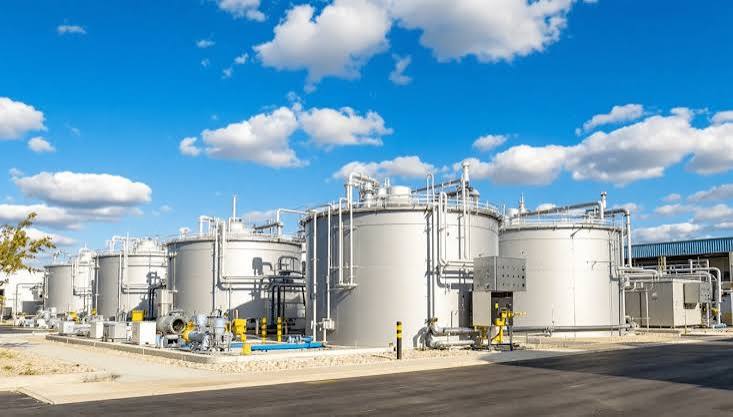
Store acrylonitrile in approved, tightly closed chemical storage systems.
Use appropriate temperature controls and ventilation.
Keep the material away from heat, sparks and ignition sources.
Follow supplier instructions regarding stabilizers and polymerization prevention.
Avoid incompatible chemicals and contamination.
Use suitable personal protective equipment.
Provide specialized training for employees handling the product.
Acrylonitrile can undergo unwanted polymerization under unsuitable conditions. Maintaining appropriate stabilization and storage conditions is therefore essential.
Health and Environmental Safety
Acrylonitrile presents serious occupational health risks. Exposure can occur through inhalation, skin contact and other workplace routes.
International safety authorities identify it as a carcinogenic substance. Businesses must establish appropriate exposure controls, closed handling systems and emergency response procedures.
Procurement teams should verify the supplier's safety documentation and ensure that transportation and storage arrangements meet applicable dangerous goods requirements.
Acrylonitrile+2
Future Opportunities and Market Outlook for Acrylonitrile
Acrylonitrile will remain an important chemical intermediate because of its role in producing engineering plastics, synthetic fibres and specialty rubber materials.
Its future demand will depend on developments in automotive manufacturing, electronics, healthcare, textiles and industrial polymer applications.
Engineering Plastics and Automotive Manufacturing
ABS and SAN resins support numerous automotive and consumer product applications.
Demand for lightweight components, durable plastic housings and engineered materials creates opportunities for acrylonitrile-based polymer manufacturers.
Automotive and electronics production levels will remain important indicators for downstream purchasing requirements.
Synthetic Fibres and Carbon Fibre
Acrylic fibres produced from polyacrylonitrile serve clothing, carpets, upholstery and other textile applications.
PAN also plays an important role in carbon fibre production. Carbon fibre materials serve automotive, aerospace and other applications where lightweight and high-performance materials are required.
Nitrile Rubber and Healthcare Applications
Nitrile butadiene rubber (NBR) is produced using acrylonitrile and butadiene.
It offers useful resistance to oils and fuels, making it suitable for:
Industrial seals and gaskets.
Automotive fuel hoses.
Oil-resistant gloves.
Industrial protective equipment.
Mechanical and engineering components.
Demand for nitrile gloves and industrial rubber products creates additional opportunities for acrylonitrile suppliers.
What Global Buyers Should Consider When Sourcing Acrylonitrile
For chemical traders, importers and procurement managers, purchasing acrylonitrile requires careful evaluation of product specifications, supplier qualifications and logistics arrangements.
Before confirming an order, buyers should consider the following:
Product quality: Verify purity, moisture content, inhibitor levels and other relevant technical parameters.
Supplier verification: Evaluate supplier experience, manufacturing capability and export documentation.
Safety documentation: Request an updated Technical Data Sheet (TDS), Safety Data Sheet (SDS) and Certificate of Analysis (COA).
Commercial comparison: Review product pricing, payment terms, minimum order quantities and delivery commitments.
Transportation planning: Confirm approved packaging, dangerous goods documentation and suitable shipping arrangements.
Market monitoring: Follow propylene and ammonia price movements to understand potential changes in production costs.
Establishing reliable supplier relationships helps businesses maintain product consistency and manage procurement risks.
Acrylonitrile
Found this useful?