
Acrylic Acid: Production, Applications and Global Market Outlook
Acrylic Acid: Production, Applications and Global Market Outlook
Acrylic acid is an important industrial chemical that supports several major manufacturing sectors, including adhesives, coatings, textiles, water treatment and personal care products. Its ability to form polymers with useful absorption, binding and film-forming properties makes it a valuable raw material across a wide range of industrial applications.
The acrylic acid market remains closely connected to demand for superabsorbent polymers, acrylic resins and specialty chemical formulations. As manufacturers expand their downstream product portfolios and improve production technologies, acrylic acid continues to attract attention across the global chemical industry. Understanding its production background, applications and market developments helps industry professionals evaluate its wider economic and industrial significance.
What Is Acrylic Acid and Why Is It Important?
Acrylic acid is an unsaturated organic carboxylic acid with the chemical formula C₃H₄O₂. It appears as a clear, colourless liquid and contains both a carbon-carbon double bond and a carboxylic acid group. These functional groups allow it to participate in polymerisation and other chemical reactions.
Its chemical structure makes acrylic acid particularly useful in producing polymers with different physical and functional characteristics. Manufacturers can modify these materials to achieve properties such as flexibility, adhesion, water absorption and resistance to environmental conditions.
Acrylic acid also serves as an important intermediate in the production of acrylic esters. These derivatives support applications in paints, coatings, sealants and pressure-sensitive adhesives.
Several characteristics contribute to its industrial importance:
Polymerisation capability: Acrylic acid forms polymers that support applications requiring specific absorption, binding and structural properties.
Chemical versatility: Its functional groups allow manufacturers to produce different acrylic-based materials.
Industrial compatibility: Acrylic acid derivatives serve several manufacturing sectors, from construction to consumer products.
Downstream value: It connects basic petrochemical production with specialised chemical formulations.
Acrylic Acid Production and Manufacturing Processes
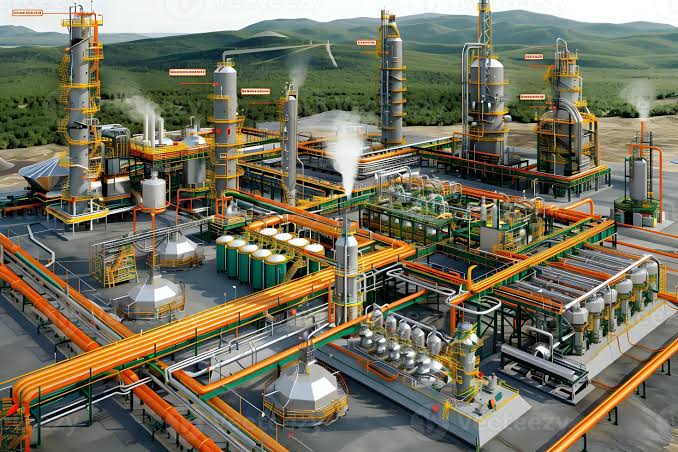
Industrial acrylic acid production primarily relies on propylene, a petrochemical feedstock obtained through refining and petrochemical processes. Manufacturers use established oxidation technology to convert propylene into acrylic acid through intermediate chemical reactions.
The production process generally involves two main oxidation stages. First, manufacturers convert propylene into acrolein. A subsequent oxidation stage converts acrolein into acrylic acid.
Propylene as the Main Feedstock
Propylene plays a central role in the acrylic acid value chain. Its availability and market price influence production economics because feedstock costs contribute significantly to the overall manufacturing cost structure.
Propylene supply connects acrylic acid production with broader petrochemical market conditions. Changes in refinery operations, petrochemical capacity and regional feedstock availability can influence the economics of acrylic acid manufacturing.
Industrial Processing and Product Quality
After the oxidation stages, manufacturers separate and purify the resulting acrylic acid to achieve the required commercial specifications.
Product quality remains important because different downstream applications require consistent chemical characteristics. Manufacturers monitor purity, moisture content and other relevant specifications to maintain product consistency.
Production efficiency also depends on process technology, energy consumption, equipment performance and quality management. These factors influence the competitiveness of producers across different manufacturing regions.
Global Acrylic Acid Market Demand and Industry Trends
Global acrylic acid demand reflects developments across several downstream industries. Superabsorbent polymers represent an important consumption segment, while acrylic esters support the production of adhesives, coatings and other formulated materials.
The market also responds to changes in consumer demand, industrial investment and manufacturing activity.
Growing Demand for Superabsorbent Polymers
Superabsorbent polymers represent one of the most significant applications of acrylic acid. These materials can absorb and retain substantial quantities of liquid relative to their own weight.
Manufacturers use them in:
Disposable hygiene products, including baby diapers.
Adult incontinence products.
Feminine hygiene products.
Selected agricultural and specialty absorption applications.
Demand from hygiene manufacturing supports the importance of acrylic acid in the global chemical value chain.
Expansion of Acrylic Esters
Acrylic acid also supports the production of acrylic esters, which serve as important intermediates in several industrial formulations.
These derivatives contribute to:
Water-based paints and protective coatings.
Construction adhesives and sealants.
Packaging adhesives.
Textile finishing formulations.
Industrial surface treatments.
Growth in construction, packaging and manufacturing activity can therefore influence demand throughout the acrylic acid value chain.
Major Applications of Acrylic Acid Across Industries
Acrylic acid has a broad industrial footprint because manufacturers can convert it into different polymer systems and chemical derivatives.
Its applications extend beyond traditional petrochemical manufacturing and connect with products used in everyday consumer and industrial environments.
Adhesives, Sealants and Coatings
Acrylic-based materials offer useful adhesion, flexibility and film-forming properties. Manufacturers incorporate acrylic derivatives into pressure-sensitive adhesives, construction sealants and protective coatings.
These materials support applications in packaging, automotive components, construction materials and industrial finishing.
Water Treatment and Industrial Processing
Acrylic acid-based polymers also contribute to water treatment formulations. Certain polyacrylate materials function as dispersants and scale-control agents in industrial water systems.
These applications help support manufacturing processes that require controlled mineral deposition and stable chemical formulations.
Textiles and Personal Care
Acrylic-based polymers contribute to textile processing and specialised product formulations. Depending on their chemical structure, they can improve selected performance characteristics in coatings, finishing treatments and formulated consumer products.
The personal care sector also uses acrylic polymers in certain formulations where viscosity control and film-forming performance matter.
Factors Influencing Acrylic Acid Market Prices
Acrylic acid market conditions depend on several interconnected factors. Feedstock availability, production capacity, energy expenses and downstream demand all influence the commercial environment.
Understanding these factors provides useful context for analysing changes in the global acrylic acid industry.
Propylene Price Movements
Propylene represents the primary feedstock for conventional acrylic acid production. Changes in propylene prices can affect manufacturing economics and influence the competitive position of producers.
When feedstock markets experience volatility, acrylic acid producers may face changes in production costs. These developments can influence pricing discussions throughout the downstream value chain.
Energy and Manufacturing Costs
Industrial oxidation processes require energy, specialised equipment and effective production management. Electricity, fuel and maintenance expenses therefore contribute to manufacturing economics.
Regional differences in energy costs can create variations in production competitiveness between manufacturing locations.
Supply and Demand Conditions
Production capacity additions, planned maintenance and unexpected plant disruptions can affect regional availability. At the same time, demand from hygiene products, coatings and adhesives influences consumption patterns.
A mismatch between production availability and downstream requirements can contribute to changing market conditions.
Global Production and Regional Market Developments
Acrylic acid production forms part of the wider petrochemical industry, with manufacturing facilities located across several major chemical-producing regions.
Regional competitiveness depends on feedstock access, industrial infrastructure, production technology and proximity to downstream manufacturers.
Asia-Pacific
Asia-Pacific represents an important region for acrylic acid production and consumption. China has developed a substantial petrochemical and chemical manufacturing base, supporting downstream industries that use acrylic acid and its derivatives.
Demand from hygiene products, construction materials, packaging and industrial coatings contributes to the region's market importance.
Other Asian manufacturing economies also participate in the wider acrylic acid value chain through chemical production and downstream processing.
North America
North America benefits from an established petrochemical industry and access to major feedstock resources. Its acrylic acid market connects with manufacturers producing superabsorbent polymers, acrylic esters and specialty chemical products.
The region's industrial infrastructure and downstream manufacturing capabilities support its position in the global market.
Europe
European acrylic acid demand connects with coatings, adhesives, construction materials and specialised chemical manufacturing.
Energy costs, environmental requirements and industrial investment influence the region's manufacturing competitiveness. Producers also operate within regulatory frameworks that shape chemical production and environmental management.
Supply Chain, Environmental and Regulatory Considerations
The acrylic acid value chain involves several stages, beginning with petrochemical feedstock production and extending through chemical manufacturing and downstream polymer processing.
Each stage contributes to the wider industry's operating requirements.
Environmental considerations also influence the development of acrylic acid production. Manufacturers continue to assess energy efficiency, process optimisation and waste management as part of broader industrial sustainability programmes.
Regulatory compliance remains an important part of chemical manufacturing. Applicable requirements may cover workplace exposure, emissions, chemical classification, transportation and environmental protection.
Acrylic acid also requires careful industrial management because of its hazardous chemical properties. Manufacturing facilities must maintain appropriate engineering controls, trained personnel and established occupational safety procedures.
These considerations connect chemical production with responsible industrial management and regulatory performance.
Future Outlook for the Global Acrylic Acid Industry
The future development of the acrylic acid industry will depend on the performance of its major downstream markets and the ability of producers to maintain competitive manufacturing operations.
Several developments will remain important:
Hygiene product consumption: Demand for superabsorbent polymers will continue to connect acrylic acid production with the global hygiene manufacturing industry.
Construction activity: Adhesives, sealants and acrylic coatings will remain relevant to construction and infrastructure-related demand.
Petrochemical feedstock conditions: Propylene availability and pricing will influence production economics.
Manufacturing efficiency: Process improvements and energy management will remain important for industrial competitiveness.
Environmental performance: Producers will face continued attention on emissions, resource efficiency and responsible chemical manufacturing.
For chemical industry professionals, monitoring these developments provides a broader understanding of acrylic acid's position within the global petrochemical and specialty chemicals markets.
The industry's long-term direction will depend on the balance between production capacity, downstream consumption and technological development. Acrylic acid will remain an important intermediate connecting petrochemical manufacturing with products used across numerous industrial and consumer sectors.

Acrylic Acid (99.5%) - China
Found this useful?