

Article
Jun 19, 2026schedule5 Min Read
Personal Care Ingredients: Cocamidopropyl Betaine, Glycerin.
The personal care ingredients market is navigating a dual challenge in 2026: elevated feedstock costs
Full Reportarrow_forward


prodchem
Jun 19, 2026
Acrylonitrile prices have climbed sharply during Q2 2026 as supply constraints spread across key production regions. Market participants now face a combination of feedstock volatility, elevated operating costs and stronger downstream demand from several industrial sectors.
The acrylonitrile market sits at the center of multiple manufacturing chains. Producers of ABS plastics, acrylic fibers, nitrile rubber and carbon fiber precursors all depend on stable ACN availability. As supply tightens, cost increases move rapidly through the value chain, creating new challenges for procurement teams negotiating Q3 contracts.
Acrylonitrile remains one of the most important intermediate chemicals in the petrochemical industry. Manufacturers produce it primarily from propylene and ammonia, making it highly sensitive to fluctuations in energy and feedstock markets.
Its influence extends across several major industries:
ABS manufacturers use acrylonitrile to improve strength, heat resistance and durability in engineering plastics.
Acrylic fiber producers rely on ACN as their primary raw material for textile and industrial fiber applications.
Nitrile rubber producers consume significant volumes for automotive seals, gloves and industrial products.
Carbon fiber manufacturers convert polyacrylonitrile into high-performance materials used in aerospace, energy and transportation sectors.
Because these industries serve different end markets, disruptions in acrylonitrile supply often create widespread pricing pressure throughout manufacturing supply chains.
Several market forces have converged simultaneously during Q2 2026.
European producers continue to face elevated energy expenses. High operating costs reduce competitiveness and limit flexibility when demand strengthens.
Asian markets face a different challenge. Propylene and ammonia feedstocks have experienced substantial price volatility, creating uncertainty around production economics and contract negotiations.
Additional pressure comes from downstream demand growth. Chinese manufacturing activity remains a major consumption driver, particularly in engineering plastics and consumer electronics.
The result is a market where supply growth struggles to keep pace with demand requirements.
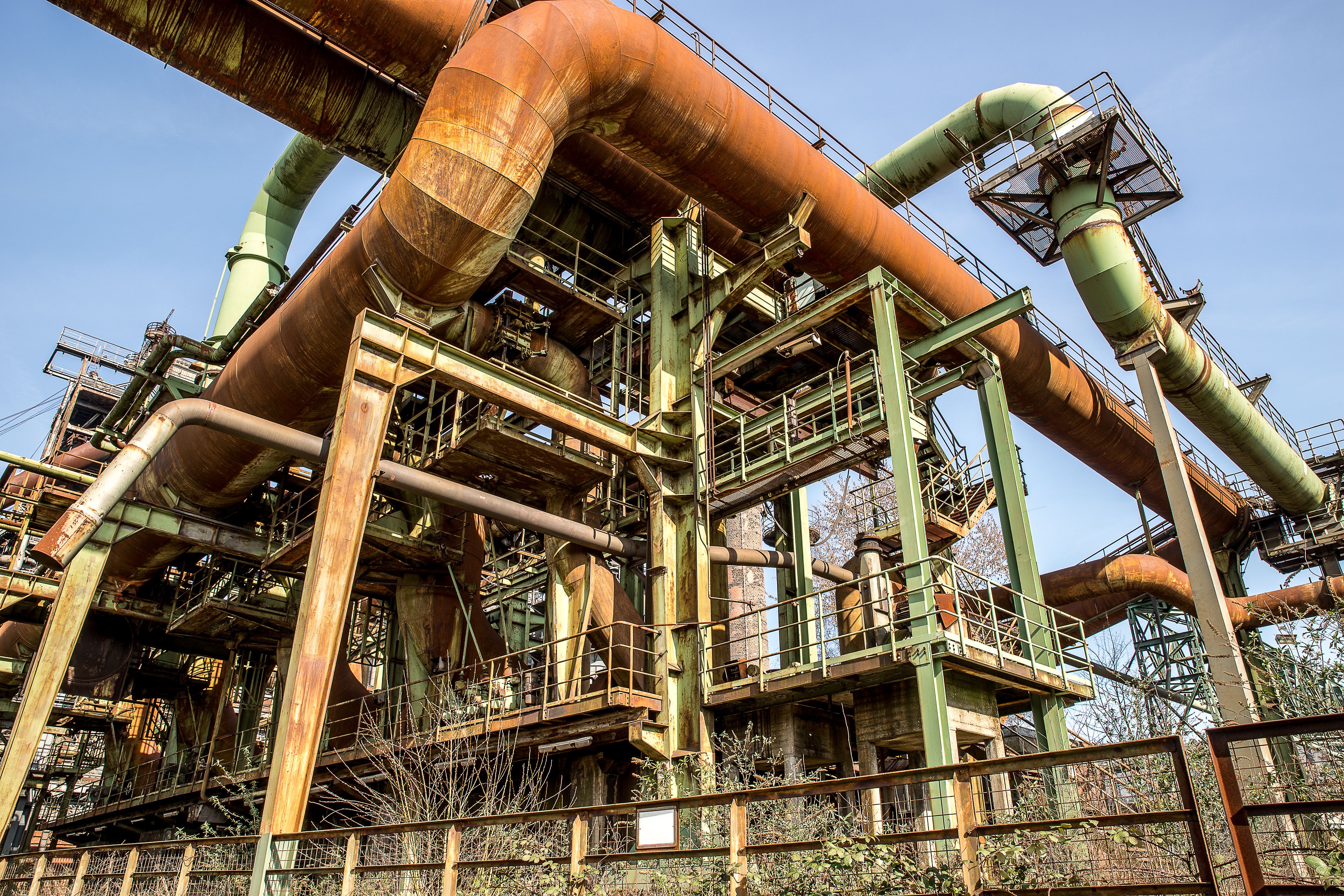
Feedstock markets play a central role in current pricing behavior.
Propylene accounts for a substantial portion of acrylonitrile production costs. When propylene prices rise sharply, ACN producers often face immediate margin pressure.
Ammonia markets add another layer of complexity. Producers must balance changing ammonia costs alongside propylene movements while managing energy expenditures and operating rates.
Procurement teams should closely monitor three indicators:
Regional propylene availability and refinery operating rates.
Ammonia price movements across major producing regions.
Energy costs affecting European and Asian production facilities.
These variables will likely remain major determinants of ACN pricing through the remainder of 2026.
The ABS industry currently sits at the center of the market response.
China dominates global ABS production capacity and consumption. As acrylonitrile costs increase, Chinese producers have limited options other than passing those expenses downstream.
Several industries now face rising material costs:
Consumer electronics manufacturers depend heavily on ABS for housings and structural components.
Automotive suppliers use ABS in dashboards, interior trim and functional parts.
Home appliance manufacturers consume large volumes for refrigerators, washing machines and air conditioning units.
Margin pressure continues to intensify across these sectors. Manufacturers with limited pricing power face the greatest challenges.
India's temporary duty waiver covering ABS polymers has provided partial relief for buyers. However, that measure only softens the impact rather than eliminating cost pressure entirely.
Acrylic fiber manufacturers have also entered a more challenging operating environment.
Raw material expenses represent a significant portion of production costs. Rising ACN prices directly affect fiber economics and contract pricing.
Textile producers now evaluate whether to absorb higher costs or transfer them to customers. This process often creates delays in purchasing decisions and increases contract negotiation complexity.
Regional buyers increasingly seek supply diversification strategies to reduce exposure to sudden market swings.

One of the most significant developments in the current market involves polyacrylonitrile, commonly known as PAN.
PAN serves as the primary precursor material for carbon fiber production. Specialty manufacturers depend on reliable acrylonitrile supply to maintain production schedules.
Current market conditions have pushed lead times to their highest levels in several years.
Industries affected include:
Aerospace manufacturers requiring lightweight structural materials.
Wind energy projects utilizing carbon fiber components.
Advanced automotive applications focused on weight reduction.
Industrial equipment manufacturers seeking high-performance composites.
Because carbon fiber production involves lengthy processing cycles, supply disruptions at the acrylonitrile stage create extended downstream consequences.
The current supply squeeze highlights the importance of regional supply dynamics.
Europe faces pressure from elevated production costs and energy-related challenges. Buyers often compete for available material while monitoring import opportunities from other regions.
Asia remains the largest center of both production and consumption. However, feedstock volatility continues to influence operating decisions and production economics.
Importers increasingly focus on supply reliability rather than price alone.
Many procurement teams now prioritize:
Supplier diversification across multiple regions.
Longer-term contract structures.
Inventory management strategies that reduce disruption risk.
Alternative sourcing channels for critical materials.
These approaches help organizations navigate periods of market uncertainty more effectively.
The next contract cycle may prove especially challenging.
Suppliers generally enter negotiations with stronger pricing arguments due to ongoing supply constraints and feedstock volatility. Buyers, meanwhile, seek protection against further increases.
Several factors will influence Q3 outcomes:
Future propylene pricing trends.
Ammonia market stability.
Operating rates at major global production facilities.
Demand levels from ABS and acrylic fiber sectors.
Export availability from key producing countries.
Companies that begin negotiations early may secure better flexibility and allocation commitments than those waiting until supply tightens further.
Current indicators suggest that tight conditions may persist through the near term.
Supply additions remain limited relative to demand growth across key consuming industries. Even if feedstock markets stabilize, producers may require time to rebuild inventories and normalize delivery schedules.
Several scenarios remain possible:
A stabilization scenario where feedstock costs moderate and supply improves gradually.
A bullish scenario where continued feedstock volatility drives additional price increases.
A balanced scenario where demand growth slows enough to ease market pressure.
Most buyers currently prepare for elevated pricing rather than expecting a rapid correction.
Procurement managers should focus on risk management rather than attempting to predict short-term price movements.
Strong supplier relationships become increasingly valuable during periods of market tightness. Companies with diversified sourcing strategies generally maintain greater flexibility when disruptions occur.
Priority actions include:
Review Q3 and Q4 material requirements early.
Evaluate inventory coverage for critical production needs.
Engage suppliers before peak negotiation periods.
Monitor propylene and ammonia market developments closely.
Assess alternative regional sourcing options where feasible.
The acrylonitrile market remains highly sensitive to feedstock economics, downstream demand and global production trends. Buyers who act proactively will likely secure stronger supply positions and reduce exposure to sudden disruptions.
Ready to source Acrylonitrile from verified global suppliers? Explore competitive offers on our platform today.

Featured Product
Found this useful?
Continue Reading
The personal care ingredients market is navigating a dual challenge in 2026: elevated feedstock costs

Guinea’s bauxite export controls could reshape China’s aluminium supply chain, affecting alumina production, caustic soda demand and chemical procurement decisions. Buyers need to understand the downstream impact of changing raw material policies.

A missile strike near Israel’s Haifa petrochemical complex has raised new concerns about regional chemical supply risks. Buyers are monitoring refinery operations, feedstock availability and the impact on global market stability.