Activated Carbon: Uses in Water Purification and Industrial Filtration
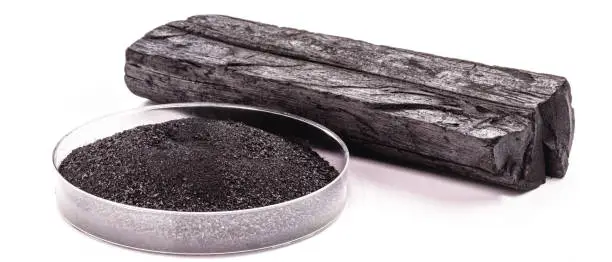
Activated carbon is a highly porous carbon-based material widely used in water purification, wastewater treatment and industrial filtration. It is manufactured from carbon-rich raw materials such as coconut shells, coal, wood and peat. These materials undergo controlled heating and activation processes that develop an extensive network of pores.
The resulting structure provides a large internal surface area, allowing activated carbon to capture and retain a wide range of dissolved substances through a process called adsorption.
Unlike absorption, where a substance enters another material, adsorption occurs when molecules attach to the surface of a solid. This property makes activated carbon an effective filtration medium for removing many organic impurities, unwanted chemicals, colours and odour-producing compounds.
How Activated Carbon Works in Filtration
Activated carbon works primarily through adsorption. When contaminated water or an industrial gas passes through activated carbon, suitable pollutants become attached to the carbon's internal pore surfaces.
Its performance depends on several factors:
Surface area and pore structure: Determine how much of a contaminant the carbon can capture.
Contact time: Longer contact between the fluid and carbon can improve removal, depending on the contaminant.
Contaminant concentration: Higher pollutant concentrations may exhaust the carbon more quickly.
Water or gas conditions: Temperature, pH and competing substances can influence adsorption performance.
Carbon quality: Raw material and activation methods affect the final product's properties.
Activated carbon does not remove every type of contaminant. Dissolved salts, many inorganic ions and certain metals generally require other treatment technologies or specially modified adsorbents.
Main Types of Activated Carbon Used in Industry
Different activated carbon forms are selected according to the filtration system, treatment requirements and operating conditions.
1. Granular Activated Carbon (GAC)
Granular activated carbon consists of relatively larger carbon particles and is commonly used in fixed-bed filtration systems. Water or gas passes through a carbon-filled vessel, allowing contaminants to adsorb onto the media.
Common applications:
Municipal drinking water treatment
Industrial wastewater treatment
Groundwater remediation
Removal of organic chemicals and odours
Industrial gas purification
GAC is particularly useful in continuous filtration systems because it can be removed, replaced or thermally reactivated when its adsorption capacity becomes exhausted.
2. Powdered Activated Carbon (PAC)
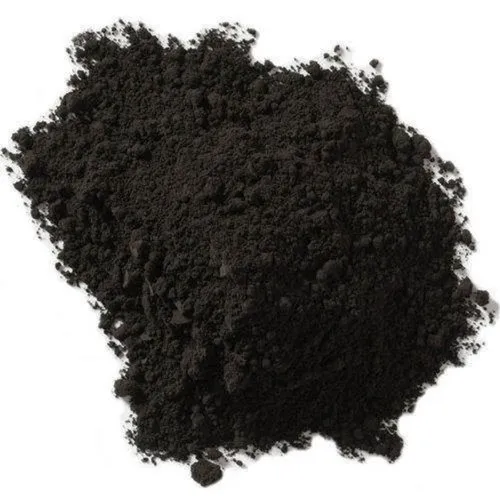
Powdered activated carbon has much smaller particles, providing rapid contact with contaminated liquids. It is commonly added directly to water during treatment and subsequently separated through clarification or filtration.
Common applications:
Seasonal taste and odour control in drinking water
Removal of pesticides and organic contaminants
Industrial wastewater treatment
Decolourisation of liquids
Treatment of process water
PAC is useful when contamination levels change or when temporary treatment adjustments are required.
3. Extruded and Specialty Activated Carbon
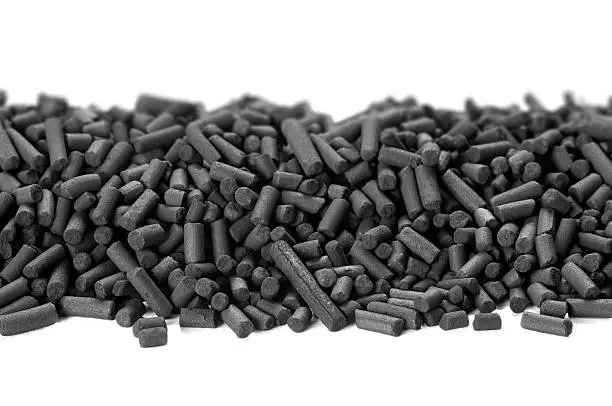
Extruded activated carbon is manufactured into shaped particles, often cylindrical pellets. Its physical strength and relatively low dust generation make it suitable for gas and vapour filtration.
Specialty activated carbon can also be chemically impregnated to improve its ability to capture particular pollutants.
Common applications:
Industrial air purification
Solvent vapour recovery
Gas treatment systems
Removal of selected acidic or basic gases
Control of certain industrial emissions
Uses of Activated Carbon in Water Purification
Water purification is one of the most established applications of activated carbon. Its adsorption properties help improve water quality by reducing unwanted organic substances and compounds that affect taste, smell and appearance.
1. Drinking Water Treatment
Municipal water treatment facilities use activated carbon to reduce taste- and odour-producing compounds, natural organic matter and selected synthetic chemicals.
It can also remove residual chlorine through catalytic reactions, making it useful in drinking water filtration systems. Granular activated carbon is commonly installed in dedicated filter beds or pressure vessels.
2. Removal of Organic Contaminants
Activated carbon is effective against many organic compounds, including certain pesticides, volatile organic compounds (VOCs) and industrial chemicals.
Its suitability depends on the molecular properties of the contaminant and the characteristics of the carbon. Water treatment operators select specific carbon grades according to laboratory testing and treatment objectives.
3. Industrial Wastewater Treatment
Manufacturing facilities generate wastewater containing dyes, solvents, oils and other organic substances. Activated carbon can be incorporated into wastewater treatment systems to reduce selected contaminants before water is discharged or reused.
Industries such as textiles, chemicals, pharmaceuticals and food processing may use carbon adsorption as part of a wider treatment process.
4. Groundwater Remediation
Groundwater can become contaminated through industrial activities, chemical storage, fuel leaks and other pollution sources.
Activated carbon filtration is used in remediation systems to capture certain organic pollutants, including selected petroleum-related compounds and solvents. Treatment design depends on groundwater composition, contaminant concentration and flow rate.
5. Reduction of PFAS and Other Emerging Contaminants
Granular activated carbon is among the established technologies investigated and used for reducing certain per- and polyfluoroalkyl substances (PFAS) in drinking water.
However, removal performance varies considerably between individual PFAS compounds. Treatment systems must be designed around the specific contaminants, and spent carbon requires appropriate management.
Industrial Applications Beyond Water Purification
Activated carbon is not limited to water treatment. Its adsorption capacity makes it valuable across several industrial processes where product quality, emission control and material recovery are important.
1. Chemical and Pharmaceutical Manufacturing
Chemical and pharmaceutical manufacturers use activated carbon to remove unwanted colour, odour and organic impurities from process liquids.
It can support purification steps during the production of chemical intermediates, pharmaceutical ingredients and other specialty products. The selected carbon grade must meet the relevant process and product-quality requirements.
2. Food and Beverage Processing
In food and beverage manufacturing, activated carbon is used for decolourisation and purification.
Examples include:
Sugar syrup decolourisation
Edible oil purification
Beverage processing
Removal of unwanted flavours and odours
Purification of selected food ingredients
These applications help manufacturers maintain product consistency and meet quality specifications.
3. Air and Gas Filtration
Industrial facilities generate exhaust gases and vapours containing solvents, odorous compounds and other pollutants. Activated carbon filters can capture many of these substances before the treated gas is released or reused.
Common applications include:
Volatile organic compound recovery
Industrial odour control
Solvent recovery systems
Air purification in manufacturing facilities
Treatment of selected industrial exhaust streams
Specially impregnated carbon grades may be used for pollutants that ordinary activated carbon cannot efficiently capture.
4. Mining and Metal Recovery
Activated carbon plays an important role in gold recovery through carbon-in-pulp and carbon-in-leach processes. In these operations, activated carbon adsorbs dissolved gold complexes from cyanide-based processing solutions.
The loaded carbon is subsequently processed to recover the gold. This application demonstrates how activated carbon can support both purification and valuable-material recovery.
Benefits of Activated Carbon in Industrial Filtration
Activated carbon offers several operational advantages across water treatment and industrial processing.
High adsorption capacity: Its extensive internal pore structure provides many sites for capturing suitable contaminants.
Wide application range: Different grades can be used in water, wastewater, air and gas treatment.
Improved product quality: It helps reduce unwanted colours, odours and organic impurities in industrial liquids.
Regeneration potential: Certain granular activated carbons can be thermally reactivated and reused, depending on the contaminants and the condition of the spent material.
Flexible system design: It can be incorporated into existing treatment processes, including pressure filters, fixed-bed systems and treatment tanks.
Factors to Consider When Selecting Activated Carbon
Choosing the right activated carbon requires an understanding of the treatment objective and operating environment. Industrial buyers and water treatment operators should evaluate:
Raw material: Coconut shell, coal and wood-based carbons can have different pore structures and adsorption characteristics.
Particle size: Granular, powdered and extruded products serve different filtration requirements.
Adsorption capacity: Iodine number and other relevant performance tests can help characterize carbon, but no single value guarantees performance against every contaminant.
Mechanical strength: Important for systems involving backwashing and continuous operation.
Contaminant compatibility: The carbon must be suitable for the specific chemicals being treated.
Regeneration and disposal: Buyers should consider replacement frequency, reactivation options and spent-carbon handling requirements.
Operating costs: Initial purchase price should be assessed alongside carbon consumption, maintenance and treatment performance.
Testing the actual water or gas stream is essential before selecting a commercial grade.
Market Outlook: Demand for Activated Carbon in Water and Industrial Treatment
Demand for activated carbon is supported by the need for reliable water treatment, industrial wastewater management, air purification and environmental compliance.
Growing attention to emerging contaminants, including PFAS, is also encouraging water utilities and industrial operators to evaluate advanced adsorption technologies. At the same time, manufacturing sectors continue to require filtration materials that can improve product quality and recover useful substances.
Regeneration and reuse are becoming important considerations for buyers seeking to manage operating costs and reduce waste. Suppliers that offer consistent product specifications, application-specific grades and technical support can help industrial customers achieve more reliable treatment results.
As water quality requirements and industrial environmental standards continue to evolve, activated carbon is expected to remain an important material in a wide range of purification and filtration systems.
https://fieldreport.caes.uga.edu/publications/B1542/activated-carbon-water-filtration-devices/?
Activated Carbon (Granular) - India
Found this useful?