Adipic Acid: Industrial Applications and Global Market Trends
Adipic acid is an important industrial chemical that supports several major manufacturing sectors, particularly synthetic fibers, engineering plastics and polyurethane production. Its strongest demand comes from the nylon 6,6 value chain, where manufacturers depend on consistent supplies to produce materials used in automotive components, textiles, carpets and electrical equipment.
The global adipic acid market continues to develop alongside demand for high-performance polymers and advanced industrial materials. Manufacturing capacity, feedstock economics, regional production patterns and sustainability initiatives all influence its commercial outlook. Understanding these developments helps chemical industry professionals evaluate market conditions and anticipate changes across downstream sectors.
What Is Adipic Acid and Why Does Industry Need It?
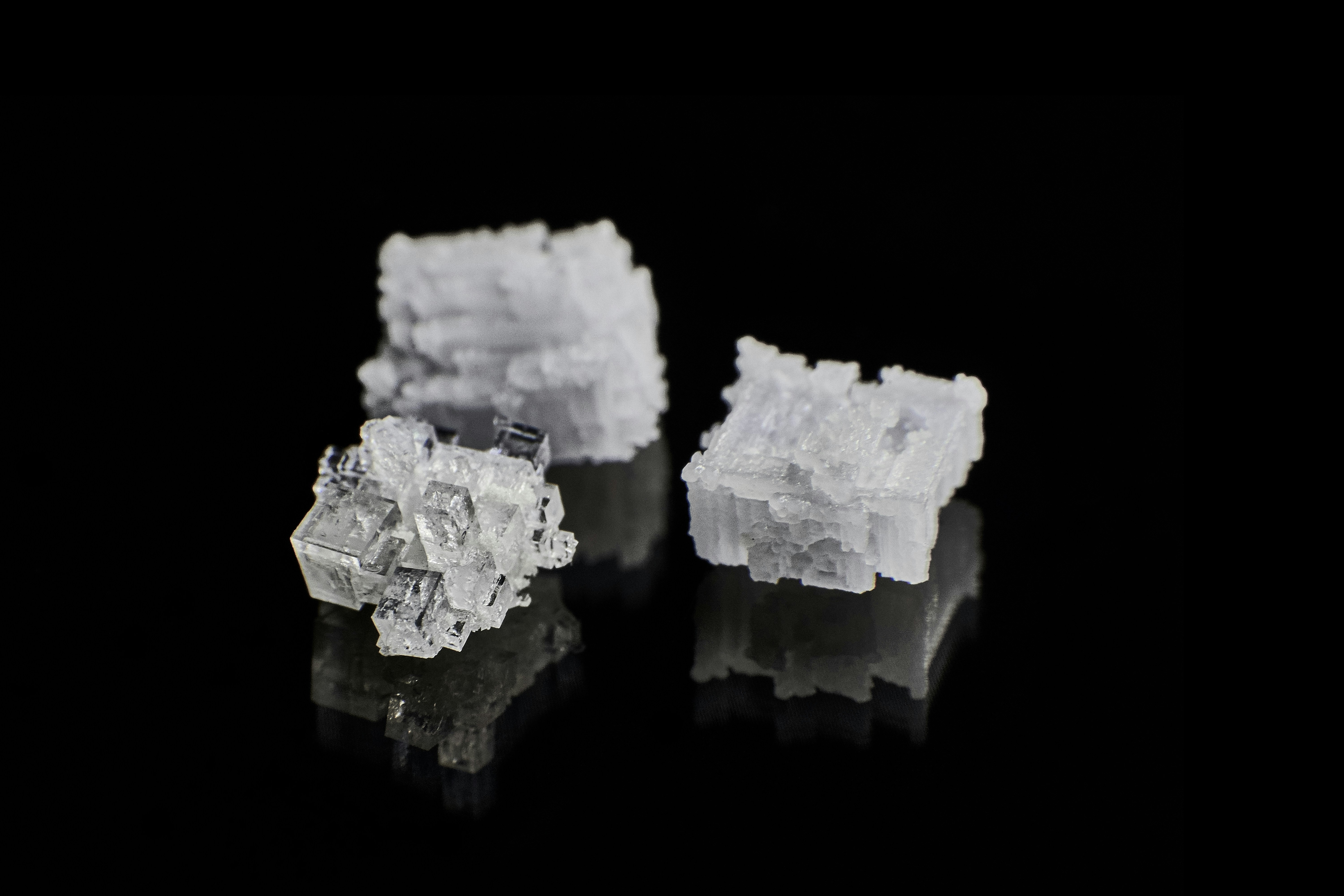
Adipic acid, also known as hexanedioic acid, is an organic compound with the molecular formula C₆H₁₀O₄. It appears as a white crystalline solid and belongs to the group of aliphatic dicarboxylic acids.
Its two carboxyl groups make it an important building block for polymer manufacturing and several other chemical processes. Manufacturers primarily use adipic acid to produce nylon 6,6, although polyurethane intermediates, plasticizers and specialty chemical formulations also contribute to its industrial demand.
The chemical's importance comes from its ability to support the production of materials with useful mechanical and performance properties. These materials serve industries that require durability, flexibility, heat resistance and reliable performance under demanding operating conditions.
Adipic Acid in the Chemical Value Chain
Adipic acid occupies an important position in the petrochemical and polymer value chain. Its largest downstream connection involves the production of nylon 6,6 through polymerization with hexamethylenediamine.
This relationship connects adipic acid demand to several manufacturing industries:
Automotive: Nylon 6,6 materials support the production of engineering components that require mechanical strength and heat resistance.
Textiles: Synthetic fibers made from nylon 6,6 serve apparel, carpets and industrial fabric applications.
Electrical and electronics: Engineering plastics provide durable materials for connectors, housings and other components.
Construction: Polyurethane materials support insulation, coatings and other building applications.
Global Adipic Acid Market Demand and Growth Drivers
Demand for adipic acid largely follows activity in the nylon 6,6 industry. Growth in automotive manufacturing, technical textiles and engineering plastics creates additional consumption opportunities across the global chemical market.
According to Grand View Research, the global adipic acid market was valued at approximately USD 5.4 billion in 2025. The report estimates that the market will reach USD 5.6 billion in 2026 and grow to USD 7.3 billion by 2033, representing a compound annual growth rate of 3.8% during 2026–2033.
Several factors contribute to this projected expansion.
Rising Demand for Nylon 6,6
Nylon 6,6 remains the primary consumption segment for adipic acid. Its strength, dimensional stability and resistance to wear make it suitable for applications across automotive manufacturing, textiles and industrial equipment.
Automotive manufacturers increasingly use engineering plastics in applications where lightweight materials can support vehicle efficiency and component performance. This creates demand for nylon 6,6 resins and the chemical intermediates required to manufacture them.
Expansion of Automotive and Electronics Manufacturing
Automotive production represents an important downstream demand driver. Nylon 6,6 supports various under-the-hood components, electrical connectors and structural applications that require dependable material performance.
The electrical and electronics industry also contributes to consumption through engineering plastics used in equipment housings, connectors and industrial components.
Growth in Polyurethane Applications
Polyurethane manufacturing provides another source of adipic acid consumption. Adipic acid contributes to the production of polyester polyols, which manufacturers use in polyurethane systems.
These materials serve applications such as flexible foams, coatings, adhesives and insulation. Activity in construction, furniture and automotive interiors therefore influences demand across this segment.
Industrial Applications of Adipic Acid Across Key Sectors
Although nylon 6,6 dominates the adipic acid value chain, its industrial relevance extends beyond polyamide manufacturing. Several downstream industries depend on adipic acid derivatives and related materials.
Nylon 6,6 Fibers and Engineering Resins
The largest application area involves nylon 6,6 fibers and resins. Manufacturers combine adipic acid with hexamethylenediamine to produce the polymer, which they subsequently process into fibers, films and molded components.
Nylon 6,6 fibers offer strength, abrasion resistance and durability. These properties support their use in:
Carpets and floor coverings.
Apparel and technical textiles.
Industrial fabrics and tire reinforcement materials.
Automotive textile components.
Nylon 6,6 resins serve a different range of applications. Manufacturers use them in automotive engineering plastics, electrical components and industrial equipment where mechanical strength and thermal performance matter.
Polyurethane and Polyester Polyols
Adipic acid also contributes to polyester polyol production. These intermediates form part of polyurethane manufacturing and support applications requiring flexibility, durability and suitable mechanical properties.
Important downstream uses include furniture foam, automotive seating, industrial coatings and construction insulation.
Plasticizers and Adipate Esters
Adipate esters represent another application category. Manufacturers produce these compounds by reacting adipic acid with suitable alcohols.
Certain adipate esters serve as plasticizers, helping improve flexibility and processing characteristics in selected polymer formulations. Other grades find applications in specialty lubricants and related chemical products.
Food and Pharmaceutical Applications
Smaller quantities of adipic acid support selected food and pharmaceutical applications. In food manufacturing, it can function as an acidity regulator and contribute to flavor characteristics in certain formulations.
Pharmaceutical applications include its use in selected formulation processes and chemical intermediates. These applications require appropriate quality specifications and regulatory compliance.

Global Production and Regional Market Developments
Regional production patterns influence the availability and commercial movement of adipic acid. The location of chemical manufacturing facilities, access to feedstocks and integration with downstream polymer production all contribute to regional competitiveness.
Asia-Pacific: A Major Manufacturing and Consumption Region
Asia-Pacific plays an important role in the global adipic acid industry. China, Japan and South Korea have established chemical and polymer manufacturing industries that support demand for nylon 6,6 and other downstream materials.
China's extensive industrial base contributes to regional consumption through automotive components, synthetic fibers, engineering plastics and polyurethane production.
India also offers opportunities through its expanding manufacturing sectors and growing demand for industrial materials. Its broader chemical industry development supports interest in specialty intermediates and polymer-related products.
North America: Integrated Chemical Manufacturing
North America maintains an established position in the adipic acid market, supported by integrated chemical production and downstream nylon manufacturing.
The United States benefits from demand across automotive, industrial textiles and engineering plastics. Manufacturers also continue to evaluate production efficiency and emissions reduction technologies.
Europe: Sustainability and Industrial Efficiency
European producers operate in a market shaped by environmental regulations, energy costs and industrial decarbonisation objectives.
Manufacturers face pressure to improve production efficiency and reduce greenhouse gas emissions. These priorities are encouraging investment in improved process technologies and research into alternative feedstocks.
Production Technologies and Sustainability Developments
Conventional adipic acid manufacturing generally relies on petrochemical feedstocks. Industrial production commonly involves the oxidation of cyclohexane to obtain cyclohexanol and cyclohexanone intermediates, followed by further oxidation to produce adipic acid.
This established production route supports large-scale industrial output. However, the oxidation stage can generate nitrous oxide (N₂O), a greenhouse gas with a significant climate impact.
Consequently, manufacturers increasingly consider emissions management an important part of production development.
Improving Conventional Manufacturing Processes
Industrial producers can reduce environmental impacts through improved process efficiency and emissions-control technologies.
Important development areas include:
Nitrous oxide reduction: Emissions-control systems can reduce N₂O releases during conventional manufacturing.
Energy efficiency: Improved process integration can help manufacturers manage energy consumption.
Process optimisation: Better operating efficiency can support productivity and resource utilisation.
Waste management: Improved treatment systems can strengthen environmental performance across production facilities.
These developments matter because environmental performance increasingly influences manufacturing decisions, operational planning and long-term competitiveness.
Bio-Based Adipic Acid Research
Bio-based production represents an emerging development in the adipic acid industry. Researchers and manufacturers are exploring renewable feedstocks and biological conversion processes as alternatives to conventional fossil-based production.
A significant development came in May 2026 when PTT Global Chemical and Toray announced the establishment of manufacturing technologies for bio-based adipic acid using fermentation of bio-muconic acid. Their work also covered the production of fully bio-based nylon 6,6.
The initiative uses cassava pulp, a residue from starch production, as a renewable feedstock. This approach demonstrates how agricultural processing residues could contribute to future chemical manufacturing pathways.
However, commercial competitiveness will depend on production economics, manufacturing scale, feedstock availability and the ability to achieve consistent product specifications.
Supply Chain Factors Affecting the Adipic Acid Market
Adipic acid manufacturers and downstream users operate within a supply chain influenced by feedstock availability, production economics and regional industrial activity.
Understanding these factors helps businesses evaluate market developments and anticipate potential changes in material availability.
Feedstock and Energy Costs
Conventional adipic acid production depends on petrochemical intermediates. Changes in the availability and cost of cyclohexane, cyclohexanol and cyclohexanone can influence manufacturing economics.
Energy prices also affect production costs, particularly in regions where chemical manufacturing requires substantial energy inputs.
Downstream Demand Fluctuations
Demand from nylon 6,6 producers remains an important influence on the market. Changes in automotive output, textile manufacturing and engineering plastics consumption can affect industrial operating rates and material requirements.
Polyurethane demand introduces another variable because construction, furniture and automotive sectors follow different consumption patterns.
Regional Trade and Logistics
International trade connects adipic acid producers with polymer manufacturers and other industrial consumers across different regions.
Freight costs, port congestion, shipping schedules and regional production availability can influence delivery conditions. Businesses operating across international supply chains must also consider import documentation, product specifications and applicable chemical regulations.
Product Quality and Technical Requirements
Adipic acid specifications can vary according to the intended industrial application. Manufacturers generally evaluate parameters such as purity, moisture content, appearance and other relevant quality characteristics.
Consistent specifications are particularly important for polymer manufacturing, where variations in raw material quality can affect downstream production performance.
Market Outlook and Future Industry Developments
The outlook for adipic acid remains closely connected to developments in advanced materials and global manufacturing. Demand from nylon 6,6 fibers and resins is expected to remain an important market foundation, while polyurethane applications provide additional opportunities.
Several developments will influence the industry's direction:
Automotive lightweighting: Continued interest in engineering plastics supports demand for high-performance polyamides.
Technical textiles: Industrial fabrics and durable synthetic fibers maintain an important position in downstream consumption.
Electronics manufacturing: Demand for reliable engineering materials creates opportunities for nylon 6,6 applications.
Sustainable manufacturing: Bio-based feedstocks and emissions-control technologies are attracting increased industry attention.
Production integration: Connections between chemical intermediates and downstream polymer manufacturing remain important for industrial competitiveness.
Bio-based adipic acid could become a more significant part of the industry as technology advances. However, conventional production will continue to play an important role while manufacturers assess the commercial feasibility of alternative technologies.
What the Adipic Acid Market Means for Industry Professionals
Adipic acid remains a strategically important intermediate for the global polymer and chemical industries. Its close relationship with nylon 6,6 production connects its market performance to automotive manufacturing, textiles, electronics and other industrial sectors.
For chemical industry professionals, monitoring downstream demand, feedstock economics, regional production developments and sustainability initiatives provides a clearer understanding of market direction.
The projected expansion of the global market through 2033 indicates continued industrial relevance. At the same time, advances in bio-based production and emissions reduction could gradually reshape manufacturing practices and competitive priorities.
Understanding these developments will help industry professionals evaluate the changing adipic acid landscape and its implications for the wider chemical value chain.
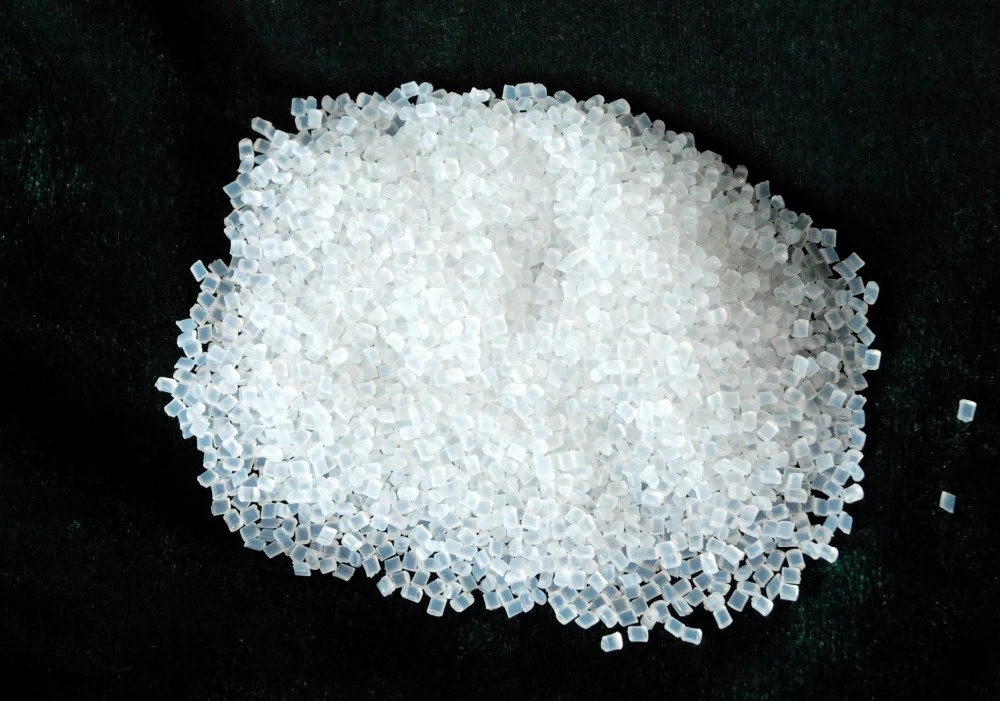
Nylon 6
Found this useful?