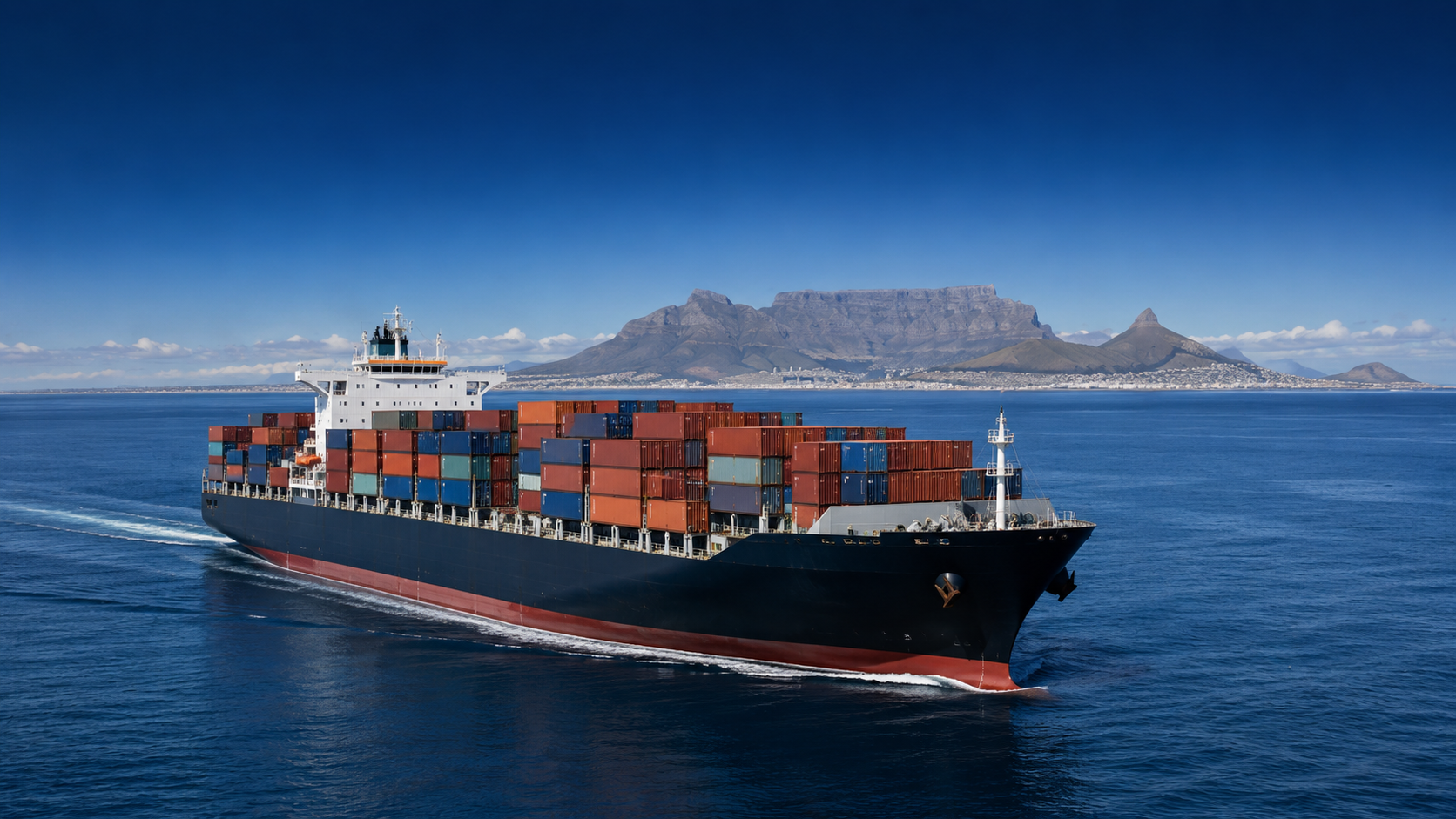
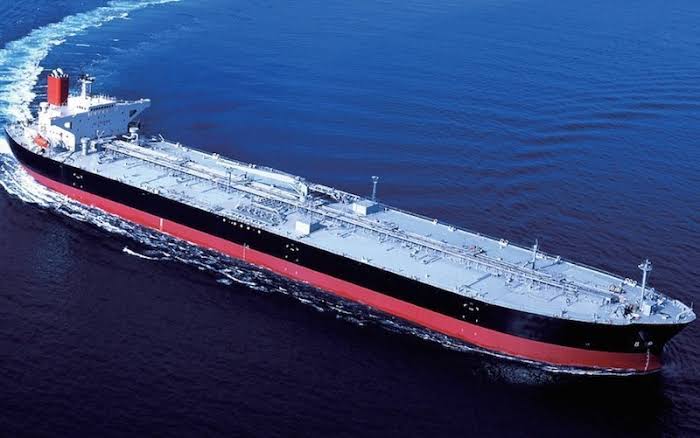
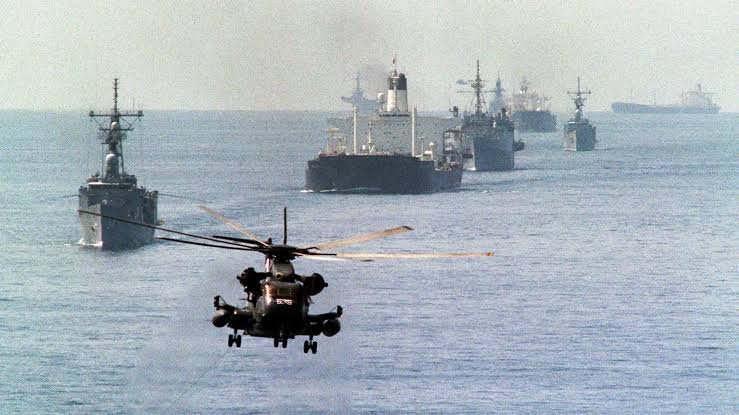
Two ADNOC tankers were hit while transiting the Strait of Hormuz, killing one mariner and injuring several others. The incident has placed a sharp focus on the human cost of maritime insecurity, while also raising fresh concerns for petrochemical shipping through one of the world's most important energy corridors.
For chemical traders, procurement managers and industrial buyers, the impact extends far beyond the vessels involved. The ADNOC tanker casualties add another layer of uncertainty to Gulf shipping, where delays, higher insurance costs, route changes and tighter vessel availability can quickly affect the delivered cost of petrochemical products.
Why Hormuz Matters to Gulf Petrochemical Trade
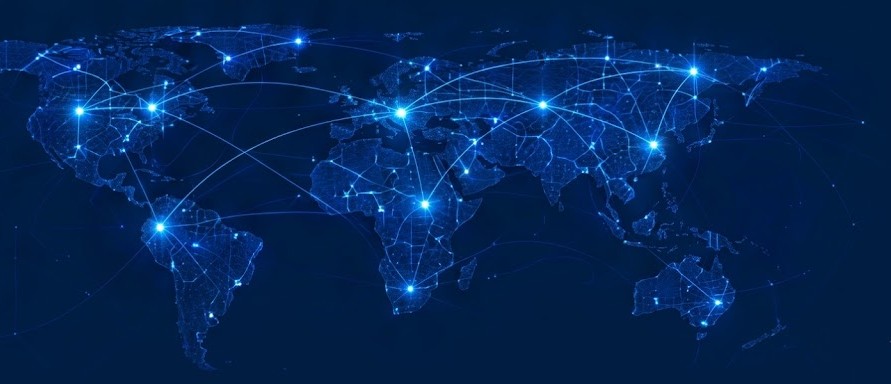
The Strait of Hormuz connects the Persian Gulf with global shipping routes and serves as a critical passage for energy and petrochemical cargoes. A large volume of regional trade moves through this narrow maritime corridor, making any disruption strategically important for producers, exporters and international buyers.
Gulf producers rely on maritime transport to move feedstocks, intermediates and finished chemicals to customers across Asia, Africa, Europe and other markets. When vessels face heightened risk during transit, the consequences can spread through the entire supply chain.
A disruption does not need to close the waterway to affect commodity markets. Even a rise in perceived risk can influence:
Freight rates, as owners price in additional operational and security exposure.
Insurance premiums, which can raise the landed cost of cargoes moving through high-risk waters.
Transit times, particularly when vessels slow down, wait for security guidance or adjust sailing schedules.
Vessel availability, as some operators may avoid certain routes or delay new bookings.
Buyer behavior, with companies seeking alternative origins or building additional inventory.
This makes maritime security a direct commercial concern for chemical procurement teams, not only a geopolitical issue.
The Human Cost Comes Before the Commodity Cost
The death of one mariner and injuries to several others underline the most serious consequence of the tanker incidents. Commercial discussions about freight, cargo availability and commodity pricing cannot separate the movement of goods from the people who operate the vessels carrying them.
Crews working on chemical and petroleum tankers already operate in demanding environments. A security incident during transit adds another layer of danger, particularly when vessels move through strategically important but geographically constrained waterways.
The human impact can also influence commercial operations. Shipping companies may review crew safety procedures, adjust voyage planning and require additional security measures. These decisions can add time and cost to the movement of cargo, especially when several vessels and routes face similar concerns.
For the chemical industry, the lesson is direct. A supply chain remains vulnerable when the people and infrastructure moving its cargo face elevated operational risk.
How Tanker Casualties Can Affect Petrochemical Prices
The first market reaction to a maritime incident often appears through logistics rather than immediate physical shortages. Buyers may face higher freight quotes or longer lead times before any significant reduction in product availability occurs.
The price impact can become more pronounced when several factors appear together:
Higher voyage risk premiums increase the cost of transporting cargoes.
Limited vessel availability can give shipowners stronger pricing power.
Longer routes may increase fuel consumption and extend delivery schedules.
Port congestion can develop if vessels bunch around alternative loading or discharge points.
Inventory rebuilding can increase short-term demand for spot cargoes.
The effect varies by product. Bulk chemicals and petrochemical feedstocks that depend heavily on Gulf exports may experience greater exposure than products sourced from a wider range of regions.
For buyers, the key issue is the delivered price rather than the headline commodity price alone. A stable product price can still produce a higher procurement cost if freight, insurance and handling charges rise sharply.
Gulf Petrochemical Supply Chains Face a New Risk Layer
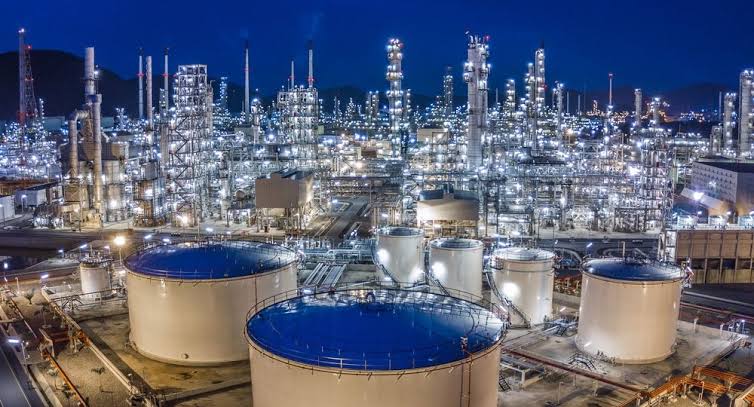
Gulf petrochemical exporters have built extensive supply networks around reliable access to maritime trade routes. Products from the region serve manufacturers producing plastics, packaging, coatings, solvents, synthetic materials and other industrial goods.
When a major shipping corridor becomes more difficult to navigate, buyers may need to reassess the assumptions behind their sourcing strategies. A procurement plan based on a single origin, one shipping route or a narrow delivery window can become exposed very quickly.
This is particularly important for companies operating with lean inventories. Lower stock levels can reduce carrying costs during normal conditions, but they also leave less room to absorb unexpected shipping delays.
Procurement teams should review whether their current supply model includes:
More than one qualified supplier for critical chemicals.
Alternative origins that can serve the same production requirement.
Buffer inventory for products with long replenishment cycles.
Clear escalation procedures when shipping conditions deteriorate.
Freight and insurance assumptions that reflect current route risks.
These measures do not eliminate exposure, but they can reduce the speed at which a shipping incident becomes a production problem.
Why Chemical Buyers May Feel the Impact Differently
The effect of maritime disruption depends heavily on a buyer's product portfolio and sourcing geography. A manufacturer that purchases a commodity from several global origins may have more flexibility than a producer that depends on a specific Gulf supplier.
The exposure also depends on the role of the product in the manufacturing process. A delayed shipment of a critical intermediate can create a much larger commercial problem than a delayed shipment of a material that buyers can easily replace.
Chemical procurement teams should therefore classify products by supply risk rather than treating all imported chemicals equally. Key questions include:
Is the product available from multiple exporting regions?
Can the company qualify an alternative grade or supplier?
How much stock does the business hold?
How quickly can another cargo arrive?
Would a delayed shipment stop production or only increase costs?
This type of risk mapping can help buyers focus resources on the materials most vulnerable to Gulf shipping disruptions.
Freight, Insurance and Route Decisions Will Shape the Market
The next commercial effects will depend partly on how shipping companies respond to the incident. Operators may reassess voyage planning, security arrangements and the cost of entering or crossing exposed areas.
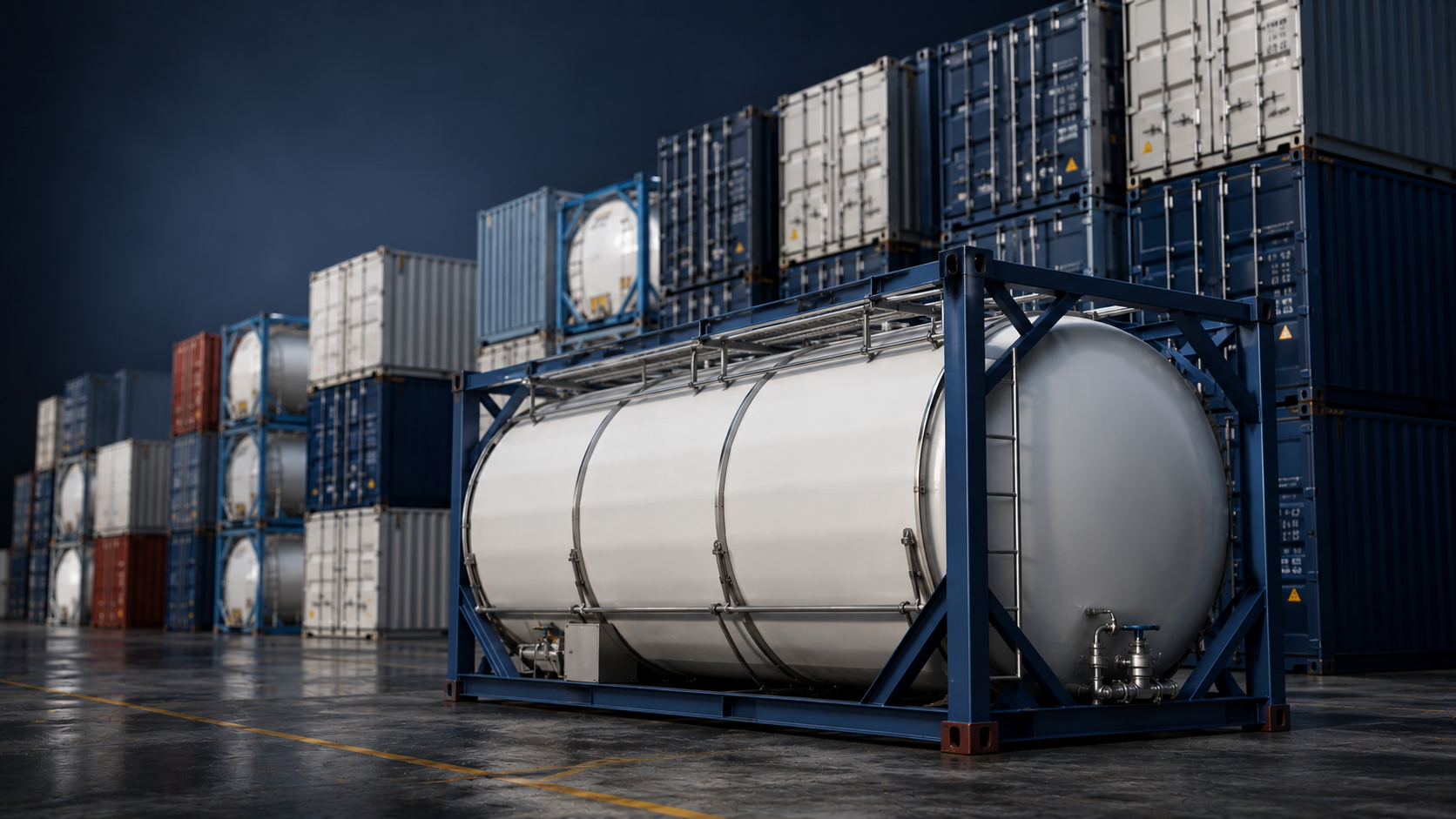
For chemical cargoes, route decisions can have a particularly strong impact because the cargo value, handling requirements and vessel specifications often limit flexibility. A buyer cannot always replace a specialized chemical tanker with another vessel at short notice.
Longer voyages may also affect the timing of downstream production. A cargo that arrives several days late can create challenges for manufacturers that coordinate chemical deliveries with continuous production schedules.
This is why shipping risk can become a commodity risk. The physical product may remain available at the producer, yet the buyer may still face higher costs or delayed access because transportation has become more complicated.
The Broader Commodity Cost of Maritime Insecurity
The commercial consequences of the ADNOC tanker casualties may extend beyond the individual cargoes involved. Traders often respond to uncertainty by reassessing inventories, offers and forward commitments.
Market participants may begin to price in a higher risk premium even when no immediate shortage exists. Importers may seek earlier coverage, while exporters may adjust shipment schedules and commercial terms to reflect changing voyage conditions.
For chemical buyers, this can create a more volatile purchasing environment. Quotes may have shorter validity periods, freight components may change more frequently and suppliers may become less willing to commit to distant delivery dates without additional cost protection.
The result can be a market where certainty itself carries a premium. Buyers willing to secure cargoes earlier or diversify supply may gain greater protection from sudden logistics shocks.
What the Incident Means for Gulf Petrochemical Trade
The Gulf remains a major hub for petrochemical production and international trade. Its importance means that shipping risks in the region can influence global chemical markets even when the physical disruption remains limited.
The incident also highlights the connection between maritime security and industrial resilience. Producers may continue manufacturing at full capacity, but buyers still need reliable vessels, safe routes and predictable delivery schedules to receive the material.
For exporters, maintaining customer confidence may require closer communication about shipment timing, vessel availability and possible changes to freight terms. For importers, the focus may shift toward securing flexible supply arrangements instead of relying only on the lowest initial offer.
The commercial priorities are becoming clearer:
Reliability can outweigh a small price advantage when supply disruption threatens production.
Supplier diversification reduces dependence on a single route or origin.
Early communication improves planning when vessel schedules change.
Flexible purchasing strategies provide more options during periods of elevated risk.
These principles apply across petrochemical markets, particularly for buyers with limited alternative supply sources.
How Procurement Teams Should Respond
Procurement managers do not need to wait for a major supply interruption before reviewing their exposure. The tanker incidents provide a practical reason to examine how much of a company's chemical supply chain depends on vulnerable maritime routes.
A focused response can begin with four actions:
Map route dependence. Identify products that travel through the Strait of Hormuz or rely on Gulf export infrastructure before reaching the final destination.
Review alternative suppliers. Confirm which materials can come from other origins and which suppliers can meet the required specifications.
Recalculate landed cost exposure. Include freight, insurance and possible delays when comparing offers from different origins.
Protect critical production inputs. Consider additional inventory or earlier purchasing for chemicals that lack quick substitutes.
The objective is not to overreact to every shipping incident. The objective is to understand which risks could materially affect production and take practical steps before a logistics problem becomes an emergency.
The Bottom Line for Procurement Teams
The ADNOC tanker casualties have placed a human tragedy at the center of a wider conversation about the cost of moving commodities through high-risk maritime corridors. For the petrochemical sector, the incident shows how quickly vessel safety, freight economics and supply reliability can become connected.
Chemical buyers should view Gulf shipping risk as part of their procurement strategy rather than as a separate logistics issue. Supplier diversification, realistic landed-cost planning and stronger communication with trading partners can help companies manage uncertainty when maritime conditions change.
For traders and industrial buyers, the most resilient approach combines competitive sourcing with reliable delivery options. The lowest product price does not always represent the lowest procurement cost when a route carries significant operational risk.
Ready to source petrochemicals from verified global suppliers? Explore competitive offers on our platform today.