ADNOC's $13 Billion Covestro Takeover Clears Its Final EU Hurdle
The European Commission has granted unconditional antitrust approval to ADNOC's acquisition of Covestro, clearing the last major regulatory obstacle in front of the €14.7 billion ($16.3 billion) transaction. The Abu Dhabi state energy group can now proceed with one of the largest ever takeovers of a European polymer producer, a deal that markets widely cite at around $13 billion on an equity basis. For chemical traders and procurement managers, the approval reshapes the ownership map of global polycarbonate and polyurethane supply chains. Brussels attached no conditions, no divestitures and no behavioural remedies to its decision, a clean outcome that surprised observers who expected concessions. Closing now moves to final technical steps, and attention turns to how Gulf capital will steer a German materials company through a difficult cycle for European chemicals.
What Unconditional EU Approval Means for the ADNOC Covestro Deal
An unconditional clearance is the cleanest outcome a merger review can produce. The European Commission found no lasting threat to competition in the single market and required no fixes before closing, so ADNOC does not need to sell assets, license technology or cap output at any European site.
Regulators examined overlaps in feedstock supply and downstream polymers during the review. The absence of remedies tells the market that the combined group adds competitive pressure to European chemicals rather than removing it, and it keeps Covestro's integrated production network fully intact for existing customers.
The EU decision also followed earlier clearances in other jurisdictions, and ADNOC described the European ruling as the final major regulatory obstacle. National security and foreign investment reviews ran in parallel and concluded without blocking the transaction, so approval risk has now fully cleared and management can begin day one planning with a fixed regulatory perimeter.
The Deal in Numbers and the Strategy Behind It
ADNOC began building its position in 2024 with staged share purchases before launching the full offer, and the final transaction values Covestro at €€14.7 billion ($16.3 billion) on an enterprise basis with an equity portion that markets widely cite at roughly $13 billion. The price tag makes the transaction one of the largest cross border acquisitions in the chemical industry this decade.
The strategic logic runs deeper than financial investment. ADNOC wants to move down the value chain from crude and gas into higher margin materials, and Covestro delivers leading positions in polycarbonate, MDI and TDI along with a European manufacturing and R&D footprint that would take decades to replicate.
Downstream diversification: specialty materials give ADNOC steadier margin streams than commodity hydrocarbon exports.
Technology depth: Covestro holds one of the strongest patent portfolios in polyurethane and polycarbonate chemistry.
Geographic balance: European and Asian plants complement the existing Middle East assets of ADNOC.
Why Covestro Matters in the Global Polymer Market
Covestro ranks among the world's largest producers of polycarbonate and sits in the top tier of global MDI and TDI supply. Its materials end up in cars, construction insulation, electronics, medical devices and wind turbine blades, which makes the company a bellwether for industrial demand.
The group also converts propylene oxide into polyether polyols, the backbone of polyurethane foams, coatings and adhesives. That feedstock link ties Covestro into global oxide and chlorine value chains and gives ADNOC an integrated position from hydrocarbons to engineered materials.
Covestro runs major sites at Leverkusen, Dormagen and Krefeld-Uerdingen in Germany alongside large plants in Shanghai, the US and India. This global asset base gives the combined group optionality on where to place future capacity additions.

What the Takeover Signals for Trade Flows and Pricing
The approval connects Gulf sovereign capital with European chemical manufacturing at unprecedented scale. ADNOC has signalled that Covestro will keep its operations and brand independent for now, yet traders expect gradual shifts in feedstock allocation, export territories and volume commitments as the new owner settles in.
ADNOC already controls Borouge and a growing petrochemical portfolio in Abu Dhabi, and adding Covestro creates a corridor from Gulf feedstock to European engineered materials. Traders will watch for new joint ventures in polyolefins, oxides and isocyanates that could redirect trade lanes toward the Middle East.
Buyers should watch several price drivers as ownership changes hands:
European energy costs remain the swing factor for cracker and isocyanate operating rates.
Chinese self-sufficiency in MDI and polycarbonate keeps export pressure on Western producers.
Automotive and construction demand sets the pace for engineering polymer consumption.
Freight costs shape the arbitrage between Asian and European origin material.
Supply Continuity and Sourcing Risks Buyers Should Watch
Change of control clauses in long term supply contracts deserve fresh review, because some agreements allow renegotiation or termination when ownership shifts. Most polymer buyers will see business as usual in the near term, yet procurement teams should map exactly which contracts carry these clauses.
Strategic direction is the second consideration. If ADNOC redirects capital toward growth markets in Asia and the Middle East, European export volumes could tighten over time, so buyers reliant on a single origin should qualify backup suppliers in other regions now rather than later.
Distributors and traders also sit inside this equation. Some independent distributors may lose volume if Covestro rationalises its sales channels under new ownership, and that shift could open spot market opportunities for agile trading houses.
Sustainability Commitments Under New Ownership
Covestro has pledged to reach climate neutrality by 2035, and ADNOC committed to uphold those targets as part of the transaction. The acquirer frames the deal as compatible with its own lower carbon intensity ambitions and its push into circular economy chemistry.
Buyers with Scope 3 emission targets will keep auditing Covestro product carbon footprints after closing. Continuity in sustainability reporting matters for automotive and electronics customers that embed polymer data into their own disclosures, and several automotive suppliers have already asked Covestro for written confirmation that footprint data will continue unchanged after closing.
Market Outlook for 2027 and Beyond
Most analysts expect a gradual recovery in polymer demand through 2027 as interest rates ease and construction activity rebuilds. A better demand backdrop combined with Gulf backed balance sheet strength positions Covestro to invest through the cycle while weaker European peers cut capacity, and polymer margins already show early signs of repair after two brutal years.
The longer term picture points to consolidation across the industry. State backed buyers from the Gulf and Asia hold the cheapest capital in the market, and European chemical assets that looked untouchable a decade ago now sit inside acquisition targets, which should keep valuations firm.
What Procurement Teams Should Do Now
Review change of control clauses in existing contracts with Covestro and its distributors before renewal windows open.
Track polymer price signals from European and Middle East producers over the next two quarters.
Qualify alternative origins for polycarbonate and polyurethane feedstocks to strengthen negotiation leverage.
Monitor how ADNOC allocates feedstock between its own crackers and Covestro plants for signs of volume shifts.
The approval closes one chapter and opens a longer one as Gulf capital puts its stamp on a flagship European chemical company. Buyers who understand the new ownership structure early will negotiate from strength when the next contract cycle arrives. Ready to source propylene oxide from verified global suppliers? Explore competitive offers on our platform today.
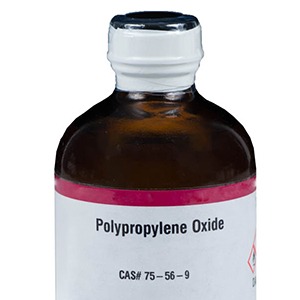
Propylene Oxide
Found this useful?