Again Acquires 28-Year-Old Biomanufacturing Pioneer Genomatica
Copenhagen-based Again has completed its acquisition of San Diego's Genomatica, a 28-year-old pioneer in biomanufacturing and biobased chemicals development. The deal, whose financial terms remain undisclosed, pairs a young CO2-to-chemical startup with one of the longest-running developers of bio-based production pathways in the industry. For chemical traders, importers and procurement managers watching the biobased chemicals space, this transaction represents more than a corporate handshake. It signals that the next wave of sustainable chemical supply is consolidating fast, and the companies controlling fermentation and carbon-capture routes to commodity molecules will shape pricing, availability and sourcing strategy for years ahead.
What Again and Genomatica Bring to the Table
Again operates at the frontier of carbon utilization, converting captured CO2 into platform chemicals through novel catalytic and biological processes. The company targets molecules that traditionally come from fossil feedstocks, offering a lower-carbon route without redesigning downstream chemistry.
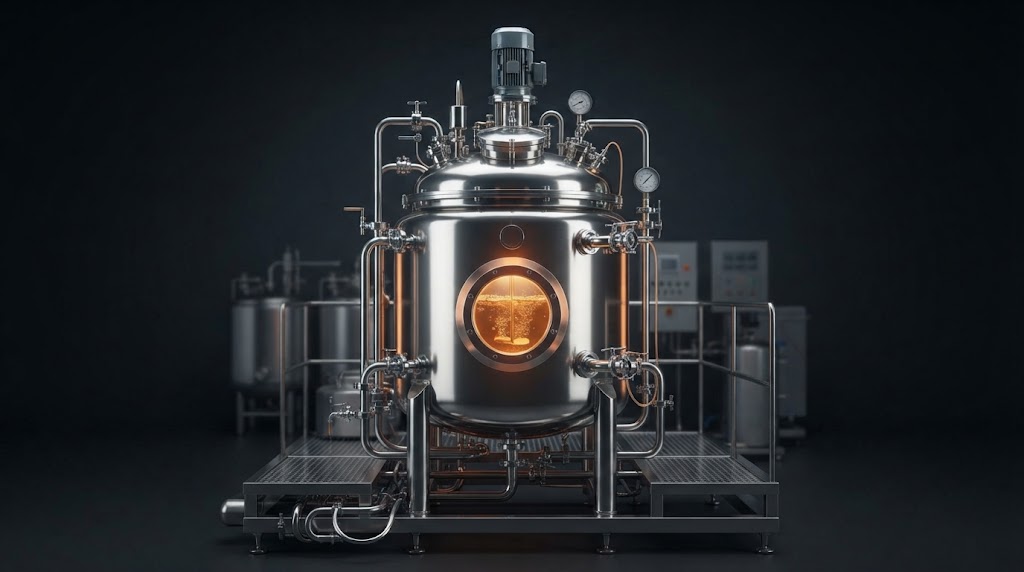
Genomatica, founded in 1997, spent nearly three decades engineering microbial strains that ferment sugars into high-value chemical intermediates. Its portfolio includes bio-based routes to 1,4-butanediol, caprolactam for nylon production and other building blocks that serve plastics, textiles and coatings markets.
Together, the combined entity controls both ends of a critical equation: carbon capture as a feedstock source and proven biological conversion platforms that turn that carbon into sellable product.
Why This Acquisition Reshapes the Biobased Chemicals Landscape
The biobased chemicals sector has long suffered from a fragmentation problem. Dozens of small developers hold promising technology but lack the capital, customer relationships and scale to compete against petrochemical incumbents.
This acquisition directly addresses that gap. Again gains access to Genomatica's validated strain library, its engineering teams and its existing commercial partnerships with major chemical buyers. Genomatica gains the fresh capital structure and carbon-credit economics that a newer entity can leverage more aggressively.
For procurement professionals, the practical implication is straightforward: fewer independent suppliers to evaluate, but potentially more reliable and vertically integrated sources of biobased intermediates entering the market within the next three to five years.
The 28-Year Track Record Behind Genomatica's Technology
Genomatica's longevity in biomanufacturing is not accidental. The company survived multiple boom-and-bust cycles in bio-based chemicals, including the post-2010 period when several high-profile biorefinery projects collapsed under the weight of uneconomic feedstock costs.
What kept Genomatica viable was its focus on drop-in molecules. Rather than asking downstream manufacturers to redesign their processes, Genomatica engineered organisms to produce chemically identical versions of existing petrochemical building blocks. A nylon producer using bio-caprolactam from Genomatica runs the same polymerization equipment it always has.
This drop-in philosophy matters enormously for chemical traders. It means biobased product can flow through existing logistics, warehousing and distribution channels without special handling or reformulation.
What CO2-to-Chemical Technology Means for Buyers
Again's core technology converts industrial CO2 emissions into synthesis gas and then into liquid chemical intermediates. The feedstock is effectively a waste stream, which insulates production economics from the volatility that plagues sugar, corn and other agricultural feedstocks used in traditional fermentation.
For buyers, this introduces a new variable into long-term contracting. CO2 availability is tied to industrial output and carbon-capture infrastructure rather than harvest cycles or commodity grain markets. Pricing models may shift accordingly.
Procurement teams accustomed to tracking USDA crop reports alongside crude oil futures will need to add carbon-capture capacity and industrial emission data to their monitoring dashboards.
Supply Chain Implications for Chemical Traders and Importers
Consolidation of this kind tightens the supplier landscape. Traders who previously sourced biobased intermediates from Genomatica's existing commercial partners may find those relationships now routed through Again's corporate structure.
Key supply chain considerations for importers and exporters include:
Contract continuity. Existing offtake agreements with Genomatica will likely transfer to the combined entity, but buyers should confirm terms, delivery schedules and force majeure clauses remain intact.
Geographic sourcing shifts. Again's European base in Copenhagen may redirect some production planning toward EU-based facilities, altering transatlantic trade flows for bio-based BDO and caprolactam.
Volume commitments. A merged company with deeper pockets may prioritize larger, multi-year contracts over spot-market sales, reducing flexibility for smaller traders.
Certification and traceability. EU buyers in particular will want clarity on whether combined production retains existing sustainability certifications and carbon-intensity documentation.
Regulatory Tailwinds Accelerating Biobased Chemical Demand
The regulatory environment in both the EU and the US continues to favor biobased and low-carbon chemical production. The EU's Carbon Border Adjustment Mechanism and the US Inflation Reduction Act's clean manufacturing tax credits create direct financial incentives for molecules produced from captured carbon or renewable feedstocks.
Genomatica's existing products already qualify under several green-chemistry labeling schemes. Combined with Again's CO2 utilization credentials, the merged company positions itself to capture premium pricing in markets where carbon-intensity documentation unlocks regulatory advantages.
For chemical traders operating across jurisdictions, this means biobased product is no longer a niche curiosity. It is becoming a compliance-driven purchasing requirement in coatings, packaging and automotive supply chains.
Market Outlook for Biobased Chemicals Through 2027
Global demand for biobased chemical building blocks is projected to grow at roughly 12 to 15 percent annually through 2027, driven by brand-owner sustainability commitments and tightening emissions regulations in Europe and North America.
The Again-Genomatica combination enters this growth phase with a distinct advantage: two complementary technology platforms rather than a single fermentation route. This diversification reduces technical risk and broadens the addressable molecule portfolio.
Buyers should expect the first commercially meaningful volumes from the combined entity's CO2-derived product lines by late 2026 or early 2027, with fermentation-based products from Genomatica's existing portfolio continuing to ship under established contracts throughout the transition.
What Procurement Teams Should Do Now
Chemical traders and procurement managers sourcing biobased intermediates should take three immediate steps.
First, review all existing contracts and letters of intent involving Genomatica or its licensed production partners. Confirm counterparty obligations survive the acquisition and identify any change-of-control clauses that trigger renegotiation rights.
Second, broaden supplier qualification lists. The consolidation of Again and Genomatica reduces one independent option in the market. Buyers reliant on a single biobased source face elevated concentration risk and should actively evaluate alternative fermentation or catalytic-route suppliers in Asia and South America.
Third, engage the combined entity early on forward pricing. Companies emerging from acquisition often restructure commercial terms within the first 12 months. Locking in volume agreements now, before new pricing frameworks solidify, can protect margins through 2027.
The biobased chemicals market is maturing from a collection of promising pilots into a consolidated, capital-backed industrial sector. Again's acquisition of Genomatica is one of the clearest signals yet that the next generation of chemical supply will be built on carbon capture and biology rather than crude oil. Buyers who adapt their sourcing strategies now will secure better pricing, more reliable delivery and stronger sustainability credentials than those who wait.
Ready to source biobased chemicals from verified global suppliers? Explore competitive offers on our platform today.

Lactic Acid (E270)
Found this useful?