Again's Carbon-to-Chemical Platform Now Spans Discovery Through Commercial Scale
The chemical industry is witnessing a major consolidation that reshapes how sustainable molecules reach the market. Copenhagen-based Again has acquired San Diego’s Genomatica to create a fully integrated carbon-to-chemical platform.
This merger combines advanced CO2 utilization with decades of biological synthesis expertise. The resulting entity now spans the entire value chain from initial pathway discovery to industrial-scale production. Procurement managers and chemical traders must understand the implications of this vertical integration.
It significantly compresses the timeline required to bring new biobased chemicals from concept to commercial output. Buyers will see faster innovation cycles and more reliable supply chains for sustainable intermediates. This capability addresses one of the biggest hurdles in the green chemistry sector.
The ability to control every stage of development reduces technical risk and accelerates scaling. Traders should anticipate a broader portfolio of low-carbon molecules entering the market sooner than expected. This strategic move positions Again as a leader in next-generation chemical manufacturing.
End-to-End Capabilities Transforming Chemical Innovation
Traditional chemical development often involves multiple independent entities handling different stages. This fragmentation leads to delays and compatibility issues when scaling up new processes. Again’s integrated platform eliminates these bottlenecks by keeping all expertise under one roof.
The company now controls pathway discovery molecule design process development and final production. This continuity ensures that laboratory successes translate directly into commercial viability. Procurement teams benefit from this efficiency through more stable and predictable supply streams.
Genomatica brings twenty-eight years of experience in engineering microorganisms for large-scale fermentation. Again adds its proprietary technology for converting captured carbon dioxide into valuable feedstocks. The combination creates a powerful hybrid model for sustainable chemical synthesis.
Buyers can expect a steady pipeline of innovative materials tailored to specific industrial needs. The platform allows for rapid iteration and optimization of molecular structures. This agility is crucial for meeting evolving sustainability mandates and performance requirements.
Compressing the Timeline from Lab to Market
One of the most significant advantages of this integration is the speed of commercialization. Developing a new chemical typically takes five to ten years from initial research to full-scale production. Again’s platform aims to reduce this timeline significantly by leveraging proven biological pathways.
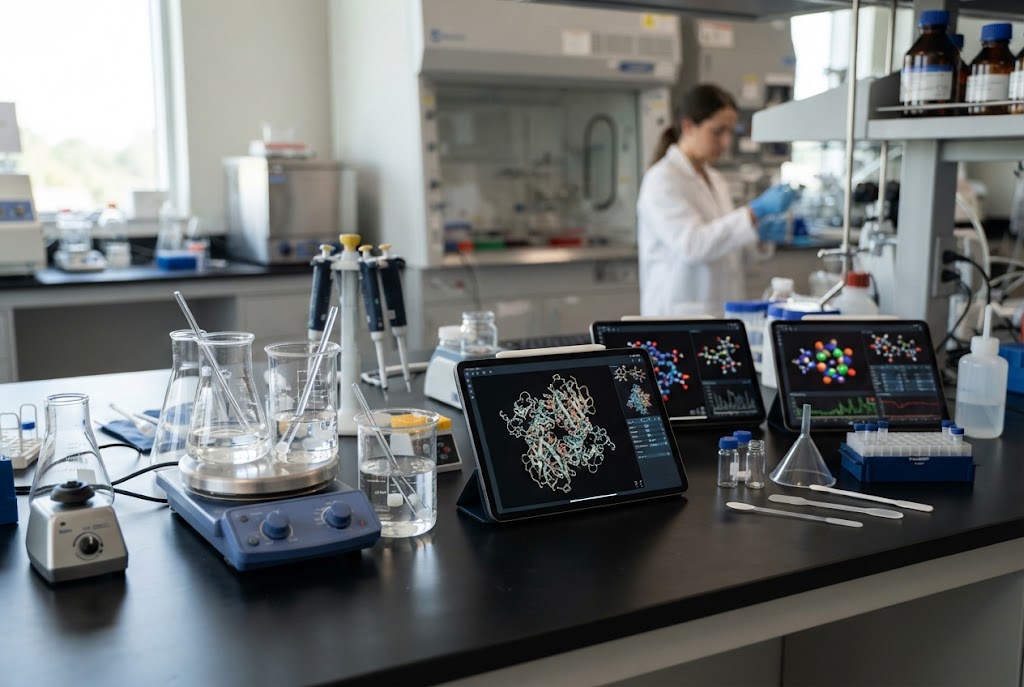
The use of established microbial strains reduces the need for extensive trial-and-error testing. Process development can proceed in parallel with facility design and construction. This concurrent engineering approach saves months or even years in the development cycle.
For procurement managers this means faster access to emerging sustainable alternatives. Companies seeking to replace fossil-based ingredients do not have to wait as long for viable solutions. The accelerated timeline supports quicker adoption of green chemistry across various industries.
Traders should monitor the announcement of new product launches from this integrated platform. The speed of innovation will likely outpace traditional petrochemical developers. Early adopters who engage with these new materials will gain a competitive edge in their markets.
Key Molecules Driving the Integrated Platform
The platform focuses on high-volume chemicals with significant environmental impacts. 1,4-butanediol remains a primary target due to its widespread use in polyurethanes and spandex. Genomatica’s proven technology for producing biobased BDO provides a strong foundation for expansion.
Other key molecules include various nylon precursors and specialty polyols. These materials are essential for the automotive textile and packaging industries. The integrated platform allows for the efficient production of these complex molecules from renewable resources.
Buyers should evaluate these offerings based on their total lifecycle emissions and performance. Biobased alternatives often match or exceed the quality of traditional petrochemicals. This drop-in capability simplifies the transition for manufacturers seeking to reduce their carbon footprints.
The platform’s flexibility also enables the production of custom molecules for niche applications. Again can tailor its biological and catalytic processes to meet specific customer requirements. This customization opens new opportunities for specialized chemical traders and distributors.
Impact on Global Supply Chain Resilience
Vertical integration enhances supply chain resilience by reducing dependence on external partners. Again controls the intellectual property the production process and the final output. This autonomy protects against disruptions caused by third-party failures or logistical issues.
Procurement teams benefit from greater transparency and traceability in their supply chains. They can verify the origin and sustainability credentials of every batch of chemicals produced. This data is increasingly important for regulatory compliance and corporate reporting.
The platform’s ability to utilize diverse feedstocks further strengthens supply security. It can switch between captured CO2 and renewable sugars based on availability and cost. This flexibility mitigates risks associated with volatile agricultural or energy markets.
Traders should recognize the strategic value of such resilient supply sources. In an era of geopolitical uncertainty and climate change reliability is as important as price. Companies with robust and flexible production platforms will dominate the future chemical market.
Regulatory Drivers Supporting Integrated Biomanufacturing
Government policies worldwide are favoring companies that demonstrate full lifecycle sustainability. The integrated platform allows Again to provide comprehensive data on carbon reductions. This transparency helps buyers meet strict regulatory requirements in Europe and North America.
Corporate sustainability mandates also drive demand for verified green chemicals. Major brands are committing to net-zero emissions across their entire value chains. The ability to source from a single provider with end-to-end control simplifies this complex task.
Sustainability certification schemes recognize integrated biomanufacturing as a best practice. Obtaining these certifications enhances brand reputation and market access for downstream users. The merged entity is well-positioned to lead in this regulated environment.
Regulatory clarity around biomass sourcing and carbon accounting continues to improve. This stability encourages long-term investment in integrated facilities. Buyers can confidently commit to these materials knowing they meet current and future standards.
Challenges in Scaling Integrated Operations
Despite the advantages scaling an integrated platform presents significant operational challenges. Managing both biological and catalytic processes requires specialized expertise and infrastructure. Coordinating these diverse technologies demands rigorous process control and quality assurance.
Capital expenditure for building multi-functional facilities remains substantial. Investors require clear evidence of commercial success before funding further expansion. The Iowa plant serves as a proof point but global scaling requires significant financial resources.
Market acceptance also depends on achieving cost parity with traditional petrochemicals. While sustainability commands a premium price sensitivity remains a factor for many buyers. Continuous innovation and efficiency improvements are necessary to remain competitive.
The complexity of integrated operations also increases the risk of technical failures. A disruption in one part of the chain can impact the entire production process. Robust contingency planning and redundant systems are essential for maintaining reliability.
What Procurement Teams Should Do Now
Procurement leaders must evaluate their current supply chains for opportunities to integrate sustainable materials. Engaging with platforms like Again offers a direct path to reducing Scope 3 emissions. The end-to-end control provided by such entities ensures consistent quality and reliability.
Buyers should request detailed lifecycle assessments from their chemical providers regularly. Understanding the exact carbon footprint of biobased materials is crucial for accurate reporting. Suppliers with transparent data will become preferred partners in the coming years.
Building strategic relationships with innovators ensures priority access to new molecules. Early adopters gain a distinct competitive advantage by securing supply before demand outpaces production. Procurement teams must act now to future-proof their chemical sourcing strategies.
Negotiating long-term contracts for sustainable chemicals can help lock in favorable pricing. These agreements provide suppliers with the revenue certainty needed to expand capacity. Collaborative partnerships will define the next era of B2B chemical trading.
The Bottom Line for Chemical Buyers
The acquisition of Genomatica transforms Again into a fully integrated leader in sustainable chemistry. Spanning discovery through commercial scale compresses the timeline for bringing new biobased chemicals to market. Buyers and traders must adapt to this accelerated pace of innovation to remain competitive.
Companies that integrate these verified materials into their portfolios will lead the green transition. The future of chemical trading belongs to those who embrace end-to-end sustainable manufacturing. Ready to source Lactic Acid from verified global suppliers? Explore competitive offers on our platform today.

Lactic Acid (E270)
Found this useful?