Agrochemical Procurement Intelligence – Friday, July 10: Five Key Developments
PFAS Risk Management in Agrochemicals
Persistent use of per‑fluoroalkyl substances (PFAS) in pesticide formulations has drawn regulatory scrutiny across the globe. Buyers now face a dual challenge: meeting stringent import bans while maintaining product efficacy. The latest EU directive mandates PFAS testing for all agrochemical intermediates, effectively tightening the supply chain.
Compliance Gap Analysis: Companies must audit their ingredient lists against the newly defined PFAS threshold.
Supplier Diversification: Securing alternative suppliers that certify PFAS‑free production processes.
Risk Transfer: Incorporating indemnity clauses in contracts to protect against future regulatory changes.
Adopting a proactive stance on PFAS not only mitigates legal exposure but also enhances brand resilience in markets increasingly wary of chemical residues.
Europe’s Structural Nitrogen Fertilizer Challenge
The EU’s nitrogen cycle policy has intensified pressure on nitrogen‑based fertilizer production. With an upcoming cap on nitrogen emissions, domestic manufacturing faces both capacity constraints and heightened compliance costs.
Key Supplier Dynamics
Major producers are investing in carbon‑capture units to offset emission limits, yet the capital outlay has slowed expansion plans. Buyers must therefore anticipate potential supply bottlenecks, especially during peak sowing seasons.
Long‑Term Contracts: Locking in supply at favorable prices before the emission cap takes effect.
Strategic Stockpiles: Building inventory buffers to cushion against future shortages.
Alternative Nutrients: Exploring organic nitrogen sources that fall outside the regulatory scope.
India’s Improving Fertilizer Supply Landscape
India’s fertilizer sector has experienced a rebound, thanks to state‑backed subsidies and expanded domestic production. The government’s new “Green India” initiative has accelerated the installation of high‑efficiency nitrogen plants.
Implications for Buyers
Lower logistics costs and increased domestic output translate to a more predictable supply chain. However, regional disparities in infrastructure still pose a risk.
Regional Assessment: Evaluate state‑by‑state production capacities and transport networks.
Partnership Models: Engage with local distributors to leverage their on‑ground knowledge.
Price Monitoring: Track the impact of subsidy cycles on market pricing.

OCP’s Strategic Phosphate Positioning
OCP, the Moroccan phosphate giant, is broadening its portfolio to include specialty phosphates for precision agriculture. This move is designed to capture higher‑margin segments while maintaining its core commodity dominance.
Competitive Landscape
OCP’s new product lines will compete directly with European specialty phosphate producers, potentially reshaping pricing dynamics in the global market.
Supply Alignment: Coordinate with OCP to secure early access to specialty phosphates.
Quality Assurance: Verify that new formulations meet regional crop‑specific fertilizer standards.
Contractual Flexibility: Negotiate terms that allow for volume adjustments based on crop demand forecasts.
Upcoming EU Anti‑Dumping Decisions
The European Commission is set to unveil anti‑dumping rulings on certain imported agrochemicals, a development that could reshape trade flows and pricing structures. The focus will be on products originating from Southeast Asia and the Middle East.
Strategic Preparedness
Buyers must weigh the potential impact on import tariffs and adjust sourcing strategies accordingly.
Tariff Impact Analysis: Model the financial effect of new duties on current procurement budgets.
Alternative Sourcing: Identify secondary suppliers from low‑risk regions.
Political Risk Monitoring: Stay abreast of policy shifts to anticipate market volatility.
By integrating these insights into procurement planning, market participants can safeguard supply chains, optimize costs, and navigate regulatory changes with confidence.
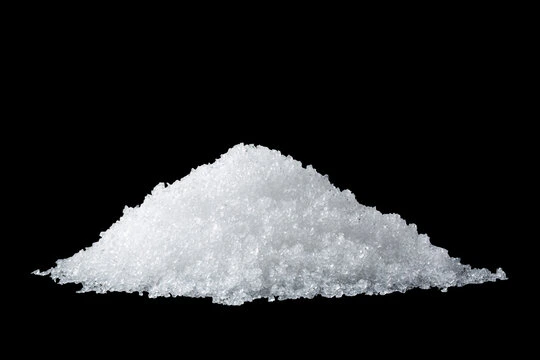
Acesulfame Potassium (E950)
Found this useful?