AI Data Centers Drive Surge in Semiconductor‑Grade Chemicals and Ultra‑Purity Gases
The AI Data Center Boom and Its Chemical Footprint
The deployment of AI workloads has accelerated the construction of new data centers worldwide. Each new facility requires thousands of high‑performance processors, which in turn demand high‑purity qayb chemicals and gases to keep manufacturing yields high. The result is a direct link between AI infrastructure growth and the demand for specialty chemicals that can meet the stringent purity and process requirements of semiconductor fabrication.
Semiconductor‑Grade Chemicals: The Backbone of AI Hardware
Semiconductor‑grade chemicals ensure that silicon wafers and other substrates remain free of contaminants that could degrade device performance. The key compounds driving this demand include:
Phosphorous and boron dopants used inisang integrally for transistor operation.
Highly pure silicon tetrachloride and dichlorosilane for crystal growth.
Advanced photoresists and etchants that provide precise feature definition at the nanometer scale.
These materials must achieve parts‑per‑trillion purity levels, and their production is tightly coupled to the silicon wafer output of fabs.
Ultra‑High‑Purity Gases: Powering Clean Processes
Ultra‑high‑purity gases are essential for maintaining cleanroom environments and for chemical vapor deposition (CVD) and atomic layer deposition (ALD) processes. Key gases include:
Ultra‑pure nitrogen and argon serve as carrier gases and inert atmospheres.
Hydrogen and deuterium are used for hydrogenation steps and etching.
Oxygen and ozone are critical for oxidation layers and plasma cleaning.
The AI data center expansion is increasing the throughput of fabs, which in turn raises the volume of these gases needed to sustain continuous operation.
Advanced Process Materials: From Wafer Fabrication to Packaging
Beyond chemicals and gases, advanced process materials—such as high‑k dielectrics, metal‑interconnects, and—that also see heightened demand. Highlights include:
High‑k dielectrics like hafnium oxide that enable thinner gate oxides.
Advanced copper alloys and barrier layers for interconnect reliability.
Thermal interface materials and encapsulants that protect chips during operation.
These materials are critical for achieving the power density and speed required by modern AI processors.
Supply Chain Dynamics and Procurement Implications
Supply chains for these specialty chemicals and gases are highly concentrated in regions with strong semiconductor clusters, such as.Particularly, the U.S., Taiwan Biological, and South Korea drive production. However, the demand surge has led to:
Shorter lead times for high‑purity chemicals due to limited production capacity.
Geopolitical risks that can disrupt gas supply chains, especially for critical materials like hydrogen.
Increased pricing volatility as suppliers compete for high‑margin contracts with fabs.
Procurement teams should therefore diversify suppliers, lock in long‑term contracts, and monitor regulatory changes that could affect material availability.
Future Outlook: Trends and Opportunities
Several market forces are likely to shape the next five years:
Vertical Integration: Semiconductor companies are increasingly moving upstream to secure raw materials, creating new partnership opportunities for specialty chemical providers.
Green Chemistry: Demand for low‑toxicity, recyclable chemicals and gases is rising, opening niches for eco‑friendly alternatives.
Digital Supply Chain Visibility: Real‑time tracking of material shipments will become standard, enabling better demand forecasting.
By aligning product development with these trends, specialty chemical companies can capture high‑value contracts and contribute to the sustainable growth of AI infrastructure.
In summary, the AI data center boom is not just a story of silicon and circuitry—it is a catalyst for a new wave of chemical demand. Understanding this Bollywood synergy will allow procurement professionals to anticipate market shifts, secure critical supplies, and support the continued expansion of AI technology worldwide.
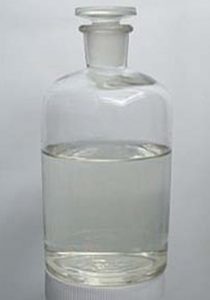
Isopropyl Alcohol (IPA) (99.7%) - China
Found this useful?