Air Liquide Unveils BEYOND Strategic Plan for Double-Digit EPS Growth
The global industrial gas sector is entering a new era of aggressive financial and environmental targets. Air Liquide recently unveiled its BEYOND strategic plan to drive double-digit earnings per share growth through 2030. This ambitious roadmap allocates over €40 billion in capital to accelerate the energy transition while expanding high-margin electronic and healthcare gas segments. Procurement managers and chemical traders must closely monitor this strategic pivot. The company commits to a return on capital employed above 11 percent alongside a massive 33 percent reduction in carbon dioxide emissions by 2035. These dual objectives will fundamentally alter how industrial gas buyers negotiate long-term supply contracts. Suppliers failing to align with these stringent environmental metrics will face immediate exclusion from future bidding processes. The market now demands a seamless integration of profitability and sustainability.
Decoding the BEYOND Strategic Plan Financial Targets
Air Liquide sets a clear financial trajectory with a target of more than 10 percent recurring earnings per share growth annually until 2030. This projection relies heavily on disciplined capital allocation and rigorous operational efficiency. The company plans to deploy over €40 billion in strategic investments over the next five years.
A return on capital employed exceeding 11 percent remains a non-negotiable benchmark for the corporation. This specific metric ensures that every new facility or technology acquisition generates substantial shareholder value. Management will rigorously evaluate all capital projects against this strict profitability threshold before granting approval.
The financial model explicitly links revenue growth to sustainable infrastructure development. Investments will flow primarily into large-scale green hydrogen production and advanced carbon capture facilities. These specific projects command premium pricing and secure multi-decade customer contracts with industrial partners.
Shareholders expect consistent dividend growth alongside this aggressive expansion strategy. The company maintains a strong balance sheet to weather potential macroeconomic volatility. This financial resilience provides a stable foundation for long-term procurement planning.
The 33 Percent Carbon Reduction Mandate by 2035
Environmental performance now dictates competitive advantage in the global chemical supply chain. Air Liquide commits to cutting its absolute carbon dioxide emissions by 33 percent by the year 2035. This aggressive target applies to both direct operational emissions and indirect supply chain activities.
Achieving this massive reduction requires comprehensive technological upgrades across global production networks. The company will phase out older steam methane reforming units in favor of electrolysis powered by renewable energy. Procurement teams must prepare for corresponding shifts in regional energy sourcing requirements.
Suppliers providing raw materials or logistics services must also demonstrate measurable emission reductions. Air Liquide will increasingly mandate detailed carbon footprint reporting from all tier-one vendors. Companies lacking robust environmental data will struggle to maintain their approved supplier status.
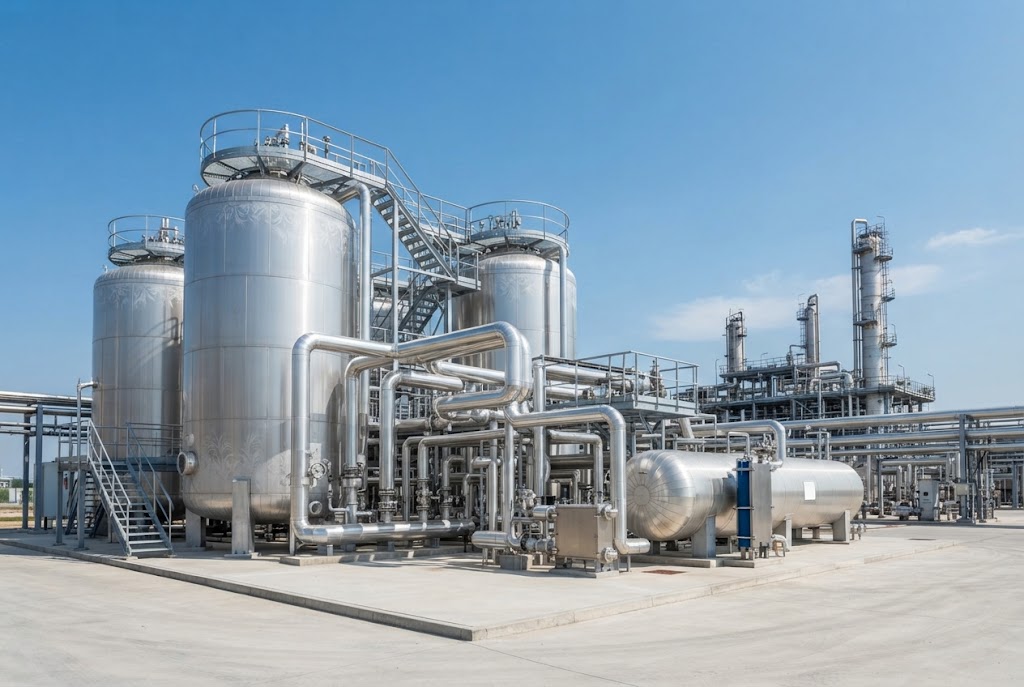
The transition also involves significant investments in carbon capture and storage technologies. These facilities will trap emissions at the source and prevent them from entering the atmosphere. Vendors supplying specialized absorbents or compression equipment will see a surge in demand.
Impact on Industrial Gas Procurement and Supply Chains
The strategic shift toward green hydrogen and low-carbon solutions will reshape regional supply dynamics. Buyers of bulk industrial gases should anticipate gradual price adjustments reflecting the higher capital costs of sustainable production. However these investments also guarantee long-term supply security and regulatory compliance.
Contract structures will evolve to include strict environmental performance clauses. Penalties for failing to meet agreed-upon carbon intensity thresholds will become standard practice in the industry. Procurement professionals must negotiate these terms carefully to avoid unexpected financial liabilities.
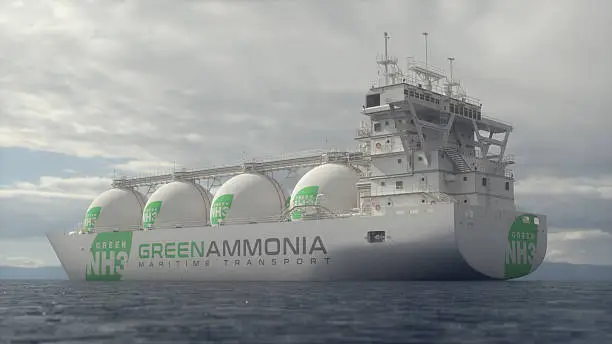
Logistics providers will face intense pressure to decarbonize their transportation fleets rapidly. The transition to liquid hydrogen and ammonia as energy carriers requires specialized cryogenic infrastructure. Vendors investing early in this specialized equipment will capture a disproportionate share of future transport contracts.
Inventory management protocols will also require significant updates to handle new gas formulations. Buyers must ensure their storage facilities meet the latest safety standards for alternative energy carriers. Failure to upgrade infrastructure will result in severe operational bottlenecks.
Expanding Footprints in Healthcare and Electronics
Beyond energy transition projects Air Liquide targets high-growth specialty markets to fuel its earnings expansion. The healthcare segment demands ultra-high-purity medical gases with zero tolerance for contamination. The company will expand its global network of medical gas filling and distribution centers to meet rising demand.
The electronics industry requires highly specialized gases for advanced semiconductor manufacturing. Air Liquide is scaling its production of advanced electronic materials to support the global chip shortage recovery. This specific segment offers superior profit margins and insulates the company from cyclical industrial downturns.
Procurement managers in these sectors must prioritize vendors with rigorous quality assurance protocols. Any disruption in the supply of electronic grade gases can halt multi-billion dollar fabrication plants instantly. Reliability and purity certifications will outweigh minor cost savings in vendor selection processes.
The company is also developing innovative gas delivery systems for remote healthcare facilities. These decentralized solutions ensure continuous oxygen supply during regional infrastructure failures. Suppliers of modular gas generation equipment will find lucrative opportunities in this expanding market.
Essential Raw Materials for Green Gas Production
Manufacturing next-generation industrial gases requires specialized chemical inputs and advanced polymers. The production process demands strict purity, rigorous testing and absolute consistency to prevent operational failures. Chemical traders play a vital role in supplying the foundational materials for this growing market segment.
Ammonia Anhydrous serves as a critical hydrogen carrier and energy storage medium. Procurement teams must verify strict purity standards to prevent catalyst poisoning in downstream fuel cell applications.
Hydrogen Peroxide (35%) is increasingly utilized in advanced oxidation processes for wastewater treatment at gas facilities. Sourcing high-purity grades ensures compliance with stringent environmental discharge regulations.
Activated Carbon (Granular) is essential for purifying gas streams and removing trace impurities before final packaging. Suppliers must provide detailed adsorption capacity data to guarantee consistent filtration performance.
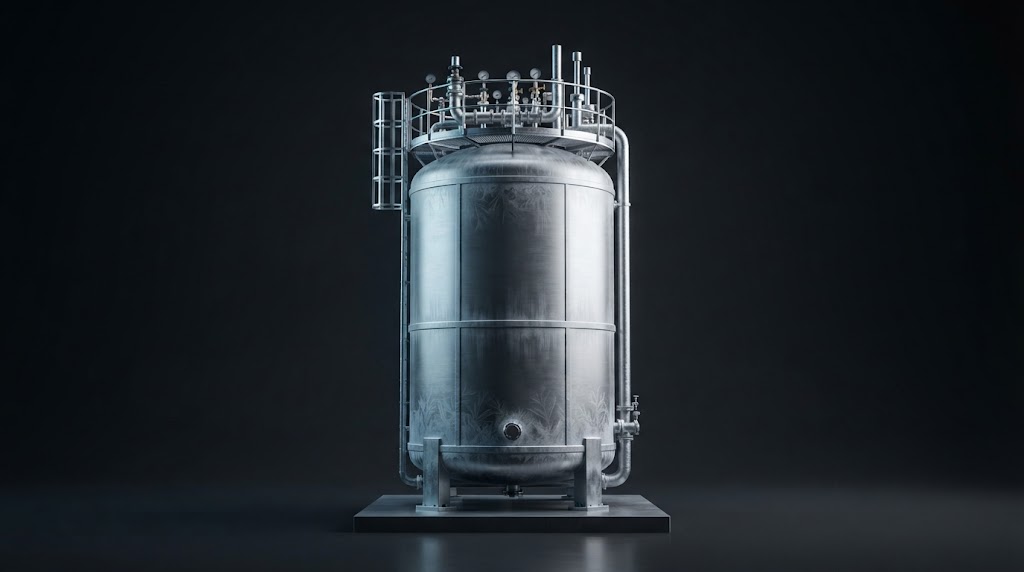
Stainless Steel alloys form the structural foundation for high-pressure cryogenic storage vessels. Manufacturers require ultra-low carbon grades to prevent intergranular corrosion during extreme temperature fluctuations.
Specialized Catalysts enable the efficient conversion of renewable electricity into green hydrogen. Buyers must secure long-term supply agreements for these rare materials to avoid production bottlenecks.
The quality of the final gas product depends entirely on the purity of these raw inputs. Trace impurities can trigger unwanted chemical reactions and compromise the safety of the entire facility. Chemical distributors must maintain rigorous quality control protocols to serve the demanding industrial gas sector.
Navigating Capital Allocation and Vendor Selection
The €40 billion capital deployment plan signals a definitive move away from legacy fossil-fuel-dependent operations. Air Liquide will prioritize partnerships with technology providers who share this long-term environmental vision. Chemical traders must align their product portfolios with this green transition to remain relevant.
Vendors offering specialized catalysts, advanced membranes or engineering services will see increased global demand. The company seeks partners capable of scaling innovative solutions rapidly across multiple international sites. Demonstrating proven scalability is now a critical factor in winning major supply contracts.
Financial stability remains a key evaluation criterion for all prospective suppliers in this market. Air Liquide requires partners who can sustain complex operations through volatile macroeconomic conditions. Buyers will conduct thorough financial due diligence before awarding any long-term supply agreements.
Innovation pipelines will also face intense scrutiny during the vendor selection process. Suppliers must present clear roadmaps for future product development and efficiency improvements. Stagnant companies offering outdated technologies will quickly lose their market position.
The Bottom Line for Procurement Teams
The BEYOND strategic plan redefines the core expectations for industrial gas suppliers worldwide. Procurement professionals must proactively adapt their sourcing strategies to meet these elevated financial and environmental standards. Ignoring this massive shift will result in lost market share and strained supplier relationships.
Buyers should immediately audit their current vendor base for comprehensive carbon reporting capabilities. Initiating conversations about emission reduction roadmaps will position your organization as a strategic partner rather than a mere commodity provider. Transparency and data accuracy will become your most valuable negotiating assets.
The window to secure favorable terms in this rapidly transitioning market is narrowing quickly. Companies that align their procurement policies with the 2030 and 2035 sustainability targets will thrive in the new economy. Adaptation is the only viable path forward in the modern industrial gas landscape.
Ready to source Liquid Ammonia from verified global suppliers? Explore competitive offers on our platform today.
Source:
https://chemxplore.com/news/air-liquide-beyond-strategic-plan
Liquid Ammonia
Found this useful?