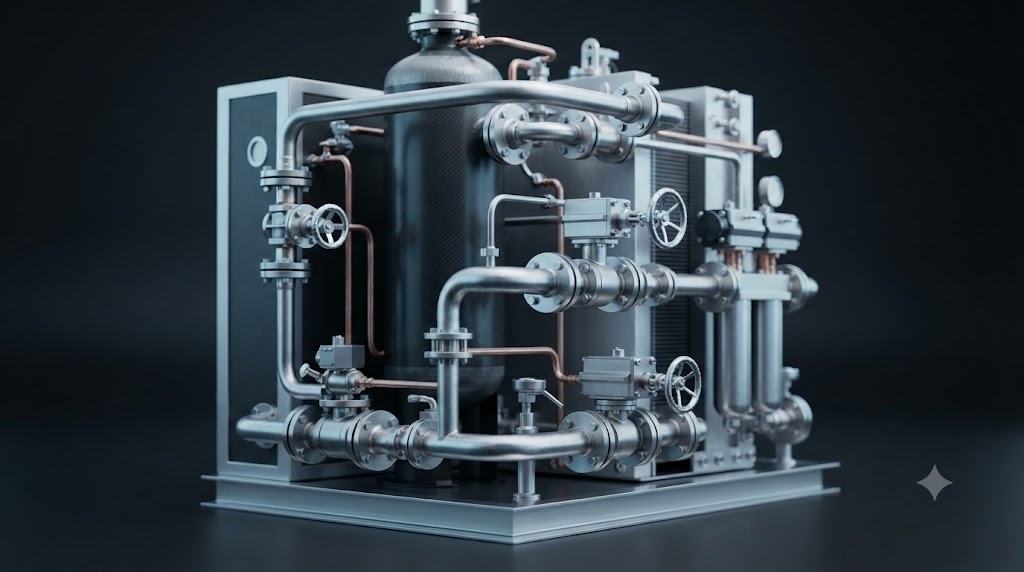
Air Liquide's CO2-Capture Pilot Launches at a Holcim Cement Facility
The industrial decarbonization landscape is witnessing a significant milestone as Air Liquide launches a CO2-capture pilot unit at a Holcim cement facility. This strategic initiative marks a critical expansion of carbon capture technology into the cement sector, which is historically one of the most challenging industries to decarbonize. Procurement managers and industrial buyers must monitor this development closely. It signals a growing viability for large-scale emissions control in heavy manufacturing. The success of this pilot could dictate future regulatory compliance strategies and operational costs for cement producers globally. Buyers relying on industrial gases and emission control technologies need to understand the implications of this technological integration. Ignoring this shift could lead to missed opportunities for adopting sustainable practices. Strategic preparation is essential for navigating the evolving requirements of green industrial operations.
Understanding the Challenge of Cement Decarbonization
Cement production is responsible for a significant portion of global carbon dioxide emissions. The chemical process of calcining limestone releases CO2 as a byproduct. This makes it difficult to reduce emissions through energy efficiency alone. Carbon capture utilization and storage (CCUS) technologies offer a viable solution.
Air Liquide’s pilot unit aims to demonstrate the technical and economic feasibility of capturing these process emissions. The technology separates CO2 from flue gases before they are released into the atmosphere. Captured carbon can then be stored underground or used in other industrial applications.
This pilot represents a crucial step toward commercial-scale deployment. Success here could pave the way for widespread adoption across the cement industry. It provides valuable data on operational efficiency and cost structures. Buyers in the construction and materials sectors should view this as a leading indicator of future industry standards.
Strategic Partnership Between Air Liquide and Holcim
The collaboration between Air Liquide and Holcim combines expertise in gas processing and cement manufacturing. Holcim is a global leader in sustainable building solutions. Air Liquide brings advanced engineering capabilities in carbon capture. This partnership accelerates the development of tailored solutions for the cement sector.
The pilot unit serves as a testbed for optimizing capture rates and energy consumption. Real-world data helps refine the technology for larger installations. Both companies share the goal of achieving net-zero emissions in their respective value chains. This alignment drives innovation and reduces implementation risks.
For procurement teams, this partnership highlights the importance of cross-industry collaboration. Suppliers who can integrate their technologies with existing industrial processes gain a competitive edge. Buyers should seek partners who demonstrate similar commitment to sustainability and innovation.
Impact on Industrial Gas Supply Chains
The expansion of carbon capture technology creates new demand for industrial gases and related chemicals. Solvents and absorbents used in capture processes require regular replenishment. Suppliers of these materials may see increased orders from cement plants adopting CCUS.
Procurement teams sourcing industrial gases should anticipate shifts in market dynamics. Air Liquide’s involvement suggests a move toward integrated service models. Instead of just supplying gases, companies may offer comprehensive emissions management solutions. This shift changes the nature of supplier-buyer relationships.
Increased demand for high-purity solvents and absorbents. These materials are critical for efficient CO2 separation.
Growth in services related to carbon storage and transportation. Logistics providers must adapt to handle captured CO2 safely.
Enhanced focus on energy efficiency in gas production. Lower carbon intensity becomes a key selling point for suppliers.
These changes benefit buyers by providing more holistic solutions. Procurement professionals should evaluate suppliers based on their ability to support broader sustainability goals.
Regulatory Drivers for Carbon Capture Adoption
Global regulations are becoming increasingly stringent regarding industrial emissions. Governments worldwide are implementing carbon pricing mechanisms and emission limits. This regulatory pressure drives investment in carbon capture technologies.
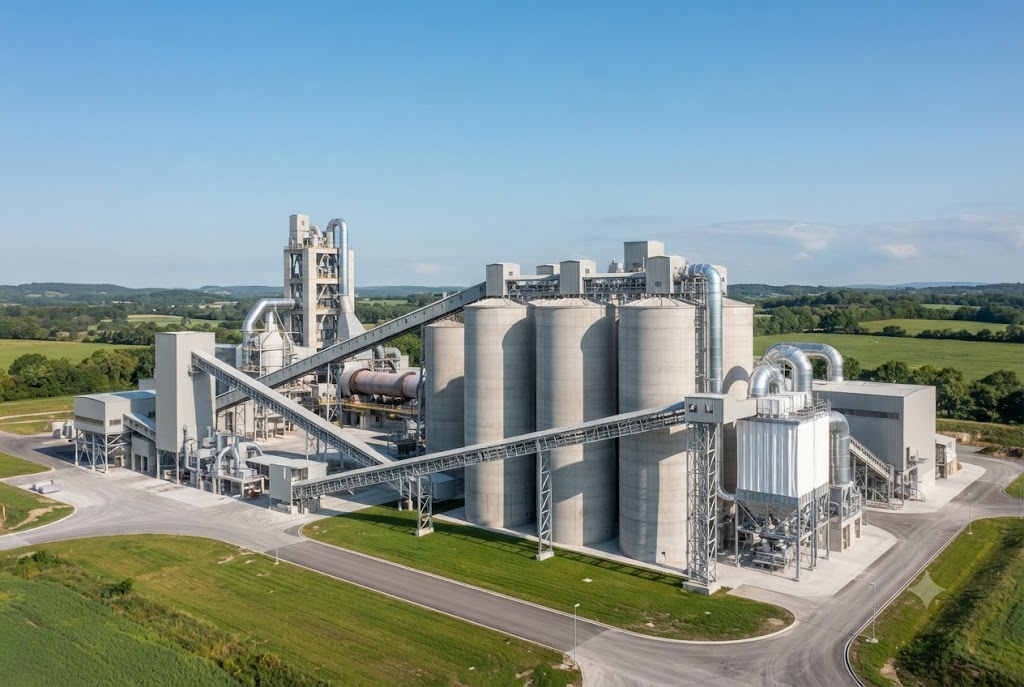
The Holcim pilot aligns with European Union climate goals and national decarbonization strategies. Compliance with these regulations is essential for maintaining operational licenses. Buyers must stay informed about changing policies in their operating regions. Proactive adoption of CCUS technology prevents costly penalties and operational disruptions.
The cement industry faces particular scrutiny due to its high emission intensity. Early adopters of carbon capture gain a competitive advantage. They can market their products as low-carbon alternatives. This differentiation appeals to environmentally conscious consumers and builders.
Sustainability and Circular Economy Integration
Carbon capture supports the transition toward a circular economy. Captured CO2 can be used as a raw material in other industries. It can be converted into synthetic fuels, chemicals or building materials. This utilization creates value from waste streams.
Air Liquide is exploring various pathways for CO2 utilization. These initiatives reduce the overall carbon footprint of industrial operations. Procurement teams should prioritize suppliers who offer circular solutions. Certifications and sustainability reports provide valuable insights into vendor performance.
Sourcing from partners who integrate carbon capture enhances corporate sustainability profiles. It demonstrates commitment to environmental stewardship to stakeholders. This alignment strengthens brand reputation and customer loyalty. Buyers should view carbon capture as an opportunity rather than just a compliance cost.
Market Outlook for Cement Industry Decarbonization
The market for carbon capture in the cement sector is projected to grow significantly. Successful pilots like the one at Holcim will drive wider adoption. Technology costs are expected to decrease as scale increases.
Innovation will continue to improve capture efficiency and reduce energy penalties. New materials and processes are under development. Buyers should stay informed about emerging technologies and service offerings. Partnering with innovative suppliers provides access to cutting-edge solutions.
Price stability for low-carbon cement may improve as production scales up. However, initial investment costs remain high. Flexible financing and government incentives help manage these expenses. Monitoring global market trends enables proactive decision-making for procurement teams.
What Buyers Should Do Now
Review your current sustainability strategies and emission reduction targets. Identify opportunities to integrate carbon capture technologies into your operations. Initiate conversations with key suppliers like Air Liquide to discuss potential collaborations.
Request updated technical data on carbon capture solutions and their applicability to your industry. Verify that all partners meet your specific regulatory and sustainability requirements. Explore opportunities for joint pilot projects or feasibility studies.
Implement robust tracking systems to monitor carbon footprints and reduction progress. Train procurement staff on the importance of supply chain transparency in decarbonization. Building a resilient and sustainable supply chain is essential for long-term success.
Ready to source industrial gases from verified global suppliers? Explore competitive offers on our platform today.
Titanium Dioxide
Found this useful?