Air Liquide's On-Site Gas Model Cuts Semiconductor Fab Supply Risk
Air Liquide is putting over $160 million into a new gas production facility in Arizona, and the plant will not sit in an industrial park somewhere nearby. It will be built directly beside the semiconductor fab it supplies. That physical placement is the entire point, and it says a lot about how ultra-high-purity gas logistics now work for advanced chip manufacturing.
The facility, set to begin operations in 2028, will produce ultra-pure, low-carbon hydrogen using carbon capture technology, among other gases needed for chip production. Air Liquide will build, own and operate the plant, extending a relationship the company already has at the site.
Why Distance Is the Enemy of Purity
Hydrogen used in semiconductor manufacturing has to meet extraordinarily tight purity specifications. It is used in wafer manufacturing, annealing and removing surface oxides during some of the most sensitive steps in chip production.
Every mile a gas travels and every time it passes through a handling step, there is a chance for contamination to creep in. That is the core logic behind on-site generation.
Pipeline transport over distance introduces more joints, valves and pressure changes, each one a potential contamination point.
Storage and transfer between vessels adds handling steps that trucked or piped gas from an off-site plant simply cannot avoid.
Fabs producing the most advanced semiconductor nodes have the least tolerance for any purity variance, since defects at that scale can ruin entire wafer batches.
What the Arizona Facility Will Actually Supply
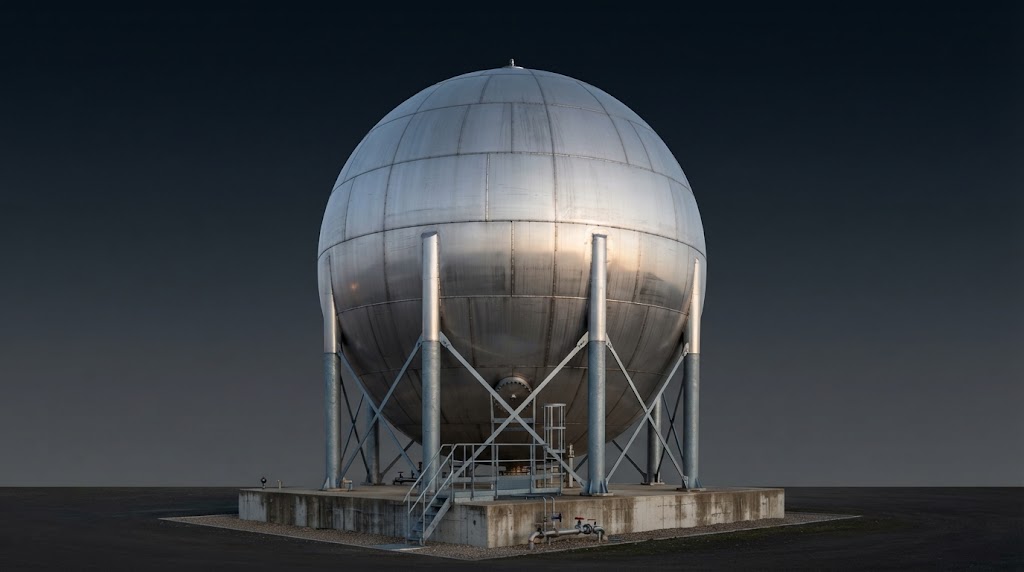
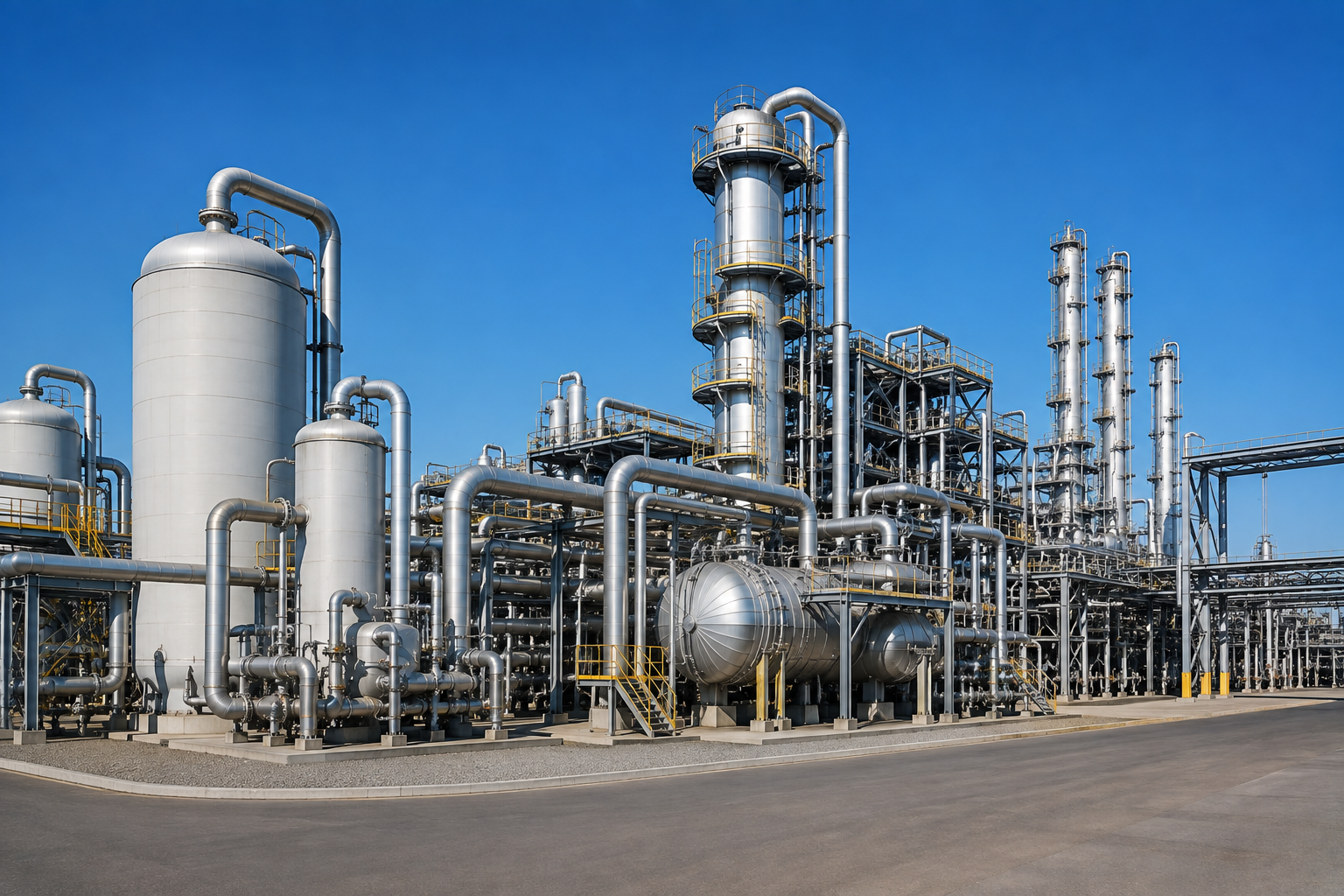
The plant will deliver several gases used in chip manufacturing, with ultra-pure, low-carbon hydrogen as a headline product. Air Liquide will operate hydrogen production and carbon capture units directly at the customer's fab site.
Carbon dioxide captured during the process will be liquefied and purified rather than vented, which supports the customer's own high-purity gas needs while reducing the carbon footprint of the hydrogen used downstream. The company will also draw on its existing local infrastructure at the site to run the new units efficiently.
On-Site Generation as the Default Model for Advanced Fabs
On-site gas generation has become the preferred logistics approach for advanced fabs precisely because purity degradation risk climbs with every mile of transport and every handling step along the way. Building the plant next to the customer removes most of that risk by design.
This is not a new idea in industrial gas supply, but it has become close to mandatory as chip nodes shrink and purity tolerances tighten further. A handful of dynamics are pushing the model forward:
Node advancement. As semiconductor manufacturers move to smaller and more advanced nodes, the tolerance for any purity variation drops sharply.
AI driven demand. Chips powering AI infrastructure and high-performance computing carry some of the strictest specifications in the industry, adding urgency to fab expansion timelines.
Domestic supply chain priorities. Investments like this one also reinforce a broader push to localize the American semiconductor supply chain rather than lean on longer, more exposed logistics routes.
The Sole-Source Relationship Behind the Investment
Building a dedicated on-site plant is a significant capital commitment, and it typically comes with a long-term, sole-source relationship between the gas supplier and the fab operator. Air Liquide is not building this facility speculatively. It is responding to an existing customer relationship and a confirmed fab expansion.
That exclusivity cuts both ways. The fab operator gets a supplier embedded in its operations with strong incentive to maintain reliability, while Air Liquide secures a long-term revenue stream tied directly to one customer's growth trajectory.
What This Means for Industrial Gas and Chemical Buyers
Few procurement teams outside the semiconductor sector will source gas this way directly, but the underlying logic applies more broadly to any buyer managing purity-sensitive or contamination-sensitive materials.
Transport distance and handling steps are a real, quantifiable source of quality risk, not just a logistics inconvenience.
On-site or near-site supply arrangements can justify a capital premium when product specifications leave little margin for variance.
Long-term sole-source agreements tend to follow wherever capital-intensive, purity-critical infrastructure gets built, since neither party wants to walk away from that investment quickly.
Looking Ahead to 2028 and Beyond
Air Liquide's Arizona facility will not be operational until 2028, giving both companies time to coordinate the build-out against the fab's own expansion schedule. The bigger signal is the model itself, not the specific timeline.
As advanced semiconductor manufacturing keeps pushing purity requirements higher, expect more industrial gas suppliers to follow this same build-own-operate approach directly at customer sites, trading logistics flexibility for the reliability that proximity delivers.
Acrylonitrile
Found this useful?