Air Products' Louisiana Exit Also Ends a 5 Million Tonne CO2 Sequestration Plan
Air Products recently canceled its Louisiana project, abruptly ending a planned 5 million tonne CO2 sequestration system under Lake Maurepas. This strategic withdrawal removes a massive carbon capture initiative from the North American industrial landscape.
Chemical traders and procurement managers must now evaluate how this cancellation affects long-term environmental compliance and industrial gas supply chains. The sudden termination signals a broader industry reassessment of capital-intensive green infrastructure.
Buyers who anticipated low-carbon feedstocks from this facility must immediately recalibrate their sourcing strategies. This financial milestone underscores a growing trend where proven profitability outweighs speculative energy transitions.
Market analysts view this move as a necessary correction to preserve corporate balance sheets. Procurement teams must adapt quickly to this shifting market reality to maintain operational continuity and meet sustainability goals.
The Scope of the Lake Maurepas Sequestration Cancellation
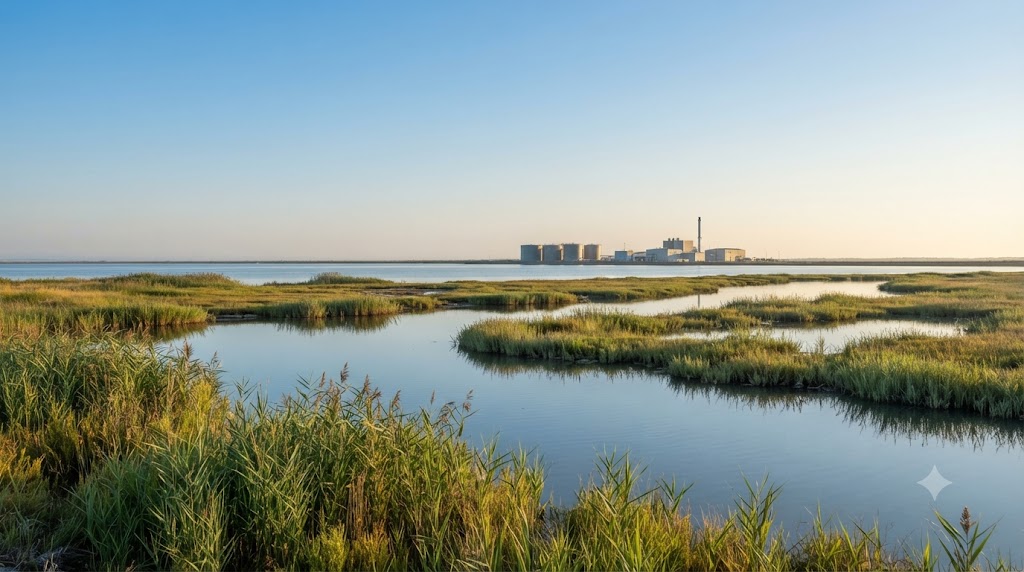
The Louisiana Clean Energy Complex was designed to feature a massive carbon capture and storage network. Air Products planned to inject 5 million tonnes of CO2 annually into geological formations beneath Lake Maurepas.
This ambitious project aimed to neutralize the carbon footprint of large-scale hydrogen and chemical production. The cancellation halts all development and construction activities at the site immediately.
Downstream chemical manufacturers who factored this captured carbon into their sustainability models now face a significant gap. Procurement teams must update their supply risk registers to reflect this lost environmental capacity.
The absence of this sequestration system removes a critical component from regional decarbonization efforts. Local environmental groups had closely monitored the project for its potential ecological impacts.
Now those concerns are moot but the industrial void remains. Buyers must seek alternative pathways to achieve their mandated emission reductions.
Strategic Drivers Behind the Project Termination
Several macroeconomic and regulatory factors influenced this corporate decision to abandon the sequestration system.
Escalating capital costs have severely impacted the financial viability of early-stage carbon capture facilities. Inflation in specialized construction materials eroded initial project economics.
Complex regulatory hurdles created uncertainty around final investment decisions and subsidy availability. Shifting government priorities altered the expected return on investment for zero-carbon projects.
Elevated interest rates increased the cost of debt financing for capital-intensive energy infrastructure. Higher borrowing costs made marginal sequestration projects financially unviable.
Air Products prioritized capital preservation over speculative builds. The company will likely focus on proven industrial gas applications in the near term.
This disciplined approach aligns with current market realities. Corporations must demonstrate clear pathways to profitability to maintain investor confidence.
Impact on Global Carbon Capture Supply Chains
The removal of this project from the development pipeline tightens the future supply of verified low-carbon industrial gases. Industrial buyers relying on green hydrogen for decarbonization targets face immediate sourcing challenges.
Refineries and chemical manufacturers must recalibrate their emission reduction roadmaps. The gap between projected supply and corporate demand will widen significantly over the next five years.
Chemical traders will observe increased competition for existing low-carbon volumes. This supply constraint will inevitably place upward pressure on merchant pricing for certified green chemicals.
The shortage also affects derivative markets heavily dependent on clean hydrogen feedstocks. Green ammonia and green methanol producers will face similar feedstock scarcity and price volatility.
International buyers may need to look toward European or Middle Eastern suppliers. These regions are accelerating their own carbon capture and utilization initiatives.
Evaluating the Financial Impact on Global Trade
The financial markets reacted swiftly to the news of the Louisiana project cancellation. Institutional investors recognize that canceling a capital-intensive project preserves billions in potential expenditures.
This capital preservation directly strengthens the balance sheet of the corporation. Chemical traders should monitor how this financial windfall influences future market behavior.
The company may deploy these funds toward share buybacks or dividend increases. Alternatively the capital could fund acquisitions of smaller profitable specialty chemical producers.
Global trade dynamics will shift as a result of this reallocation. Buyers will see increased competition for existing industrial gas volumes.
Suppliers will leverage their strengthened financial positions to negotiate more favorable contract terms. Procurement teams must prepare for a more assertive supplier landscape.
Regulatory Uncertainty and Investment Risks
The Louisiana project exit highlights the persistent challenges of navigating evolving regulatory frameworks. Changes in government subsidies and tax incentives can rapidly alter project economics.
Companies must build substantial financial buffers to withstand policy shifts. Permitting delays and environmental compliance requirements further complicate large-scale energy projects.
The timeline from initial announcement to commercial operation often stretches beyond a decade. Investors increasingly demand shorter payback periods and more predictable regulatory environments.
Procurement professionals should monitor legislative developments closely. Understanding the political landscape helps anticipate future supply disruptions or capacity expansions.
Engaging with industry associations provides valuable insights into upcoming regulatory changes affecting chemical sourcing. Proactive monitoring prevents sudden compliance bottlenecks.
Procurement Challenges for Industrial Buyers
Chemical traders and procurement teams face heightened market volatility. The reduction in planned carbon capture capacity removes downward pressure on future green chemical prices.
Buyers must now navigate a market with fewer large-scale low-carbon suppliers.
Secure long-term contracts with existing green producers to guarantee volume allocation. Locking in pricing now mitigates future market spikes and ensures operational continuity.
Evaluate transitional fuels like blue hydrogen to meet interim sustainability goals. These alternatives offer lower carbon intensity than conventional fossil fuels while maintaining reliable supply.
Renegotiate existing supply agreements to include flexible volume clauses amid changing market dynamics. Adaptability is crucial when primary supply sources vanish unexpectedly.
Procurement leaders must also prepare for stricter allocation protocols from remaining suppliers. Large industrial consumers may need to accept reduced volumes during peak demand periods.
Building strong relationships with multiple regional suppliers becomes a critical risk mitigation strategy. Regular supplier performance reviews will help identify vulnerabilities before they disrupt production schedules.
The Role of Hydrogen Derivatives in Chemical Trading
The contraction of direct green hydrogen supply elevates the importance of hydrogen carriers in global trade. Ammonia and methanol remain the most viable molecules for transporting hydrogen across long distances.
Chemical traders must pivot their focus toward securing reliable supplies of these derivative products. Green ammonia production facilities are expanding rapidly in regions with abundant solar and wind resources.
Importers should establish direct relationships with these international producers to bypass domestic supply constraints. The logistics of cracking ammonia back into hydrogen at the destination require significant capital investment.
Buyers must factor these downstream processing costs into their total procurement budgets. Methanol offers an alternative pathway with existing global shipping infrastructure.
Green methanol is gaining significant traction in the maritime shipping sector. Chemical manufacturers can leverage this growing supply chain to secure hydrogen equivalents for their own processes.
Understanding the conversion economics between hydrogen and its derivatives is now essential for procurement professionals.
Alternative Sourcing Strategies for 2026 and Beyond
Procurement leaders must diversify their supplier portfolios immediately. Relying on a single technology pathway or geographic region introduces unacceptable supply risk.
Companies should explore partnerships with emerging producers in regions with abundant renewable energy. Investing in on-site generation capabilities may also provide a viable alternative to merchant purchases.
Chemical importers should monitor international markets for surplus green derivatives. Sourcing these derivatives from stable jurisdictions provides a practical workaround for domestic supply shortages.
Buyers should also evaluate the total cost of ownership for importing low-carbon chemicals versus producing derivatives locally. Logistics partners specializing in cryogenic transport will see increased demand for their services.
Securing dedicated shipping capacity is now a critical component of the procurement strategy. Forward-thinking organizations will treat supply chain resilience as a core competitive advantage.
The Bottom Line for Procurement Teams
The cancellation of the Lake Maurepas CO2 sequestration plan fundamentally alters the industrial gas landscape. Buyers can no longer rely on projected carbon capture capacity to meet future operational needs.
Proactive supply chain restructuring is now mandatory for organizations committed to decarbonization. Chemical traders must act decisively to secure reliable feedstock alternatives.
Diversification and flexible contracting will define successful procurement strategies in this new market reality. Organizations that adapt quickly will maintain their competitive advantage and sustainability commitments.
The era of relying on speculative green infrastructure is over. Practical verified sourcing is the new standard for industrial chemical procurement.
Ready to source industrial gases from verified global suppliers? Explore competitive offers on our platform today.
Ammonia Anhydrous
Found this useful?