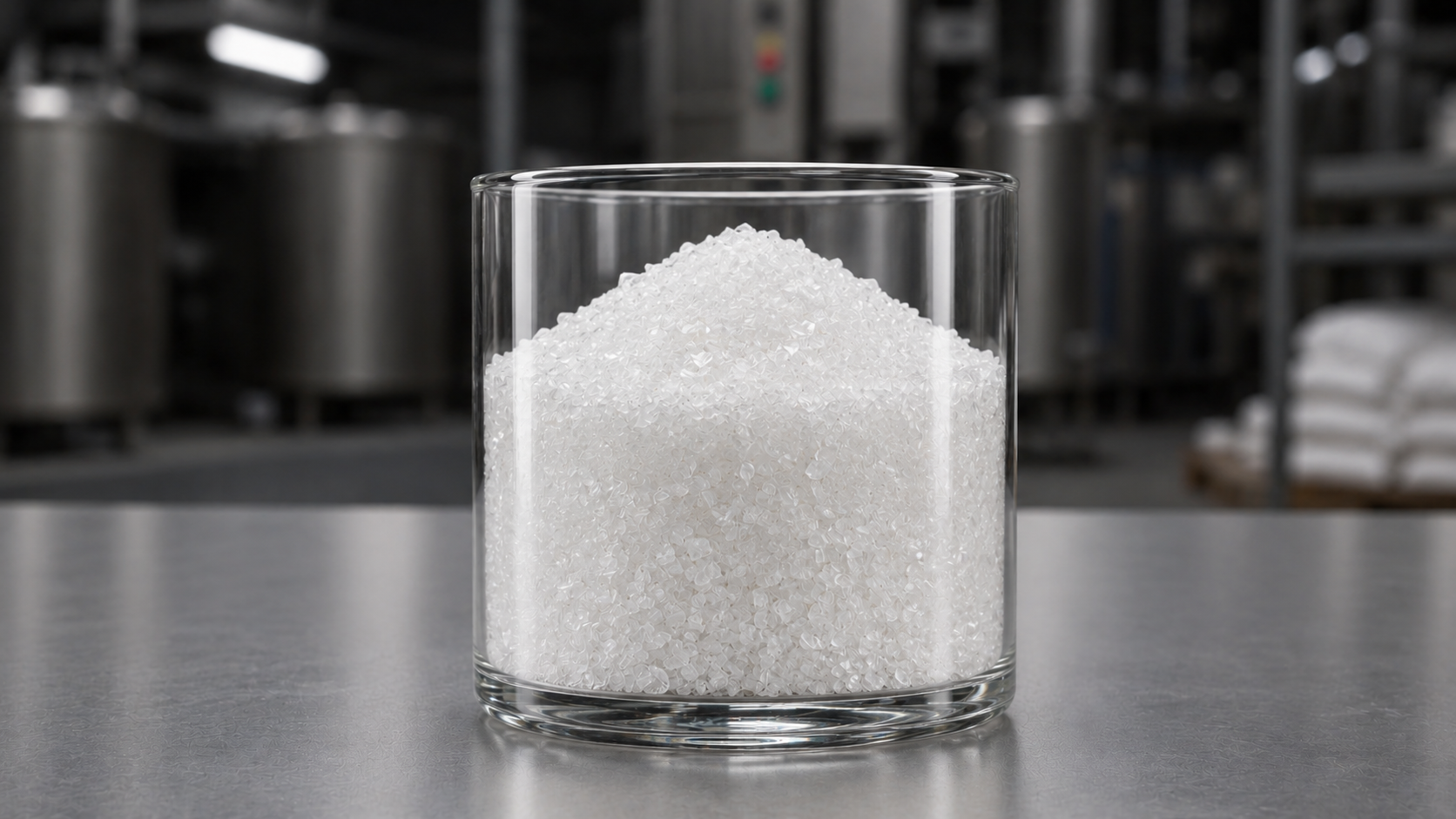
The global Monosodium Glutamate market enters an important period as Ajinomoto prepares to release its Q1 fiscal year 2026 financial results covering the April to June quarter. Since Ajinomoto remains the world's largest producer of MSG and amino acids, its financial performance often provides valuable insight into production costs, pricing direction and supplier competitiveness across international markets.
This reporting period carries additional importance because Japanese manufacturers have operated through significant energy market disruption. Procurement teams comparing Japanese-origin MSG with Chinese alternatives will closely examine whether improving energy conditions have started reducing manufacturing costs. The results could influence supplier negotiations and purchasing strategies throughout the second half of 2026.
Why Ajinomoto's Financial Results Matter to Global MSG Buyers
Ajinomoto occupies a unique position in the global MSG industry. Many buyers view the company as a benchmark for premium-quality production, long-term supply reliability and consistent manufacturing standards.
Unlike smaller regional producers, Ajinomoto's operating performance often reflects broader trends affecting Japanese manufacturing. Changes in production costs, operating margins or pricing strategies can influence purchasing expectations well beyond Japan.
For procurement professionals, the upcoming earnings release offers more than corporate financial data. It provides an early indication of whether cost pressures that affected Japanese manufacturing during recent quarters have started to ease.
Several procurement questions will likely receive greater clarity after the results become available.
Has lower crude oil pricing translated into lower operating expenses across Japanese production facilities?
Are energy costs beginning to stabilize after LNG supply disruptions?
Can Ajinomoto maintain premium pricing while protecting market share against Chinese suppliers?
Will buyers see improved pricing flexibility during contract negotiations for H2 2026?
The answers to these questions could shape sourcing decisions across food manufacturing, seasoning production and processed food industries.
Energy Costs Remain the Key Variable Behind Production Economics
Although MSG production relies primarily on fermentation rather than naphtha-based chemical synthesis, energy remains one of the largest operating expenses throughout the manufacturing process.
Fermentation facilities consume significant electricity and steam during cultivation, processing, drying and packaging. Any increase in industrial electricity or fuel costs directly affects production economics.
Japan experienced substantial industrial energy pressure following LNG supply disruptions, creating higher operating expenses across numerous manufacturing sectors. These higher utility costs affected production facilities regardless of whether their raw materials originated from petroleum.
For Ajinomoto, this distinction is important.
The company's production process avoided direct dependence on declining naphtha imports, yet broader industrial energy inflation still increased manufacturing expenses. That means the recent decline in Brent crude prices alone does not automatically translate into significantly lower production costs.
Instead, buyers should focus on whether recovering energy supply has improved factory operating efficiency and reduced utility expenses during the April to June reporting period.
The Naphtha Crisis Still Influences Market Expectations
Japan's reported 46% year-on-year decline in naphtha imports during April attracted considerable attention across the chemical industry. While fermentation-based MSG production does not depend directly on naphtha feedstocks, the wider manufacturing environment still felt the effects of supply disruption.
Higher transportation expenses, increased utility costs and cautious industrial purchasing all contributed to a more challenging operating environment.
For procurement teams, separating direct and indirect impacts becomes essential.
Direct production feedstock costs for MSG remained relatively insulated from the naphtha shortage. Indirect operating costs, however, continued influencing manufacturing economics through energy pricing, logistics and overall industrial confidence.
This distinction explains why Ajinomoto's financial report will likely receive close attention from both food ingredient buyers and broader chemical market participants.
Comparing Japanese and Chinese MSG Pricing in H2 2026
Chinese producers continue to supply a significant share of the world's exported MSG. Competitive manufacturing costs, large production capacity and efficient export infrastructure have allowed Chinese suppliers to maintain attractive pricing across international markets.
Japanese-origin MSG traditionally commands a premium because buyers often associate it with consistent quality, technical support and dependable long-term supply relationships.
Whether that premium narrows during H2 2026 depends on several interconnected market factors.
Improvement in Japanese industrial energy costs could reduce manufacturing expenses and improve pricing flexibility.
Stable freight conditions may narrow delivered cost differences between Japanese and Chinese exports.
Exchange rate movements can either strengthen or weaken export competitiveness.
Regional demand from food manufacturers will influence supplier pricing power during contract negotiations.
If Ajinomoto reports improving margins without significant cost inflation, buyers may expect more competitive pricing from Japanese suppliers during the remainder of the year.
Procurement Strategies as the Market Adjusts
The months following Ajinomoto's Q1 FY2026 announcement may create opportunities for procurement teams that actively monitor supplier pricing. Rather than reacting to short-term market movements, buyers should focus on how production costs evolve during the second half of the year.
Companies with stable purchasing volumes may find greater value in negotiating longer supply agreements if Japanese production economics continue to improve. At the same time, buyers should avoid assuming that lower energy prices will immediately translate into lower product prices.
Several procurement practices can help reduce sourcing risk during this period.
Compare quotations from both Japanese and Chinese suppliers before renewing contracts. Even small price differences can create meaningful savings across large purchasing volumes.
Monitor lead times alongside pricing. A lower quoted price may become less attractive if delivery schedules become longer or less predictable.
Discuss pricing mechanisms with suppliers. Understanding how suppliers adjust prices in response to changes in production costs helps reduce uncertainty.
Maintain relationships with multiple qualified suppliers. Diversified sourcing improves flexibility when market conditions change unexpectedly.
These practical measures allow procurement teams to respond quickly as new financial information becomes available.
Supply Chain Stability Remains a Competitive Advantage
Pricing is only one factor that influences purchasing decisions. Many food manufacturers place equal importance on consistent product quality, reliable deliveries and technical support.
Ajinomoto has built its reputation through decades of dependable manufacturing and strict quality management. This reputation often justifies a pricing premium for buyers whose production depends on uninterrupted ingredient supply.
Chinese manufacturers have also strengthened their position over recent years by investing in larger production facilities, improved quality systems and expanded export capabilities. As a result, many international buyers now evaluate suppliers using a broader set of performance indicators rather than price alone.
When comparing suppliers, procurement managers often assess several operational factors.
Product consistency across multiple shipments.
Delivery reliability during periods of market disruption.
Technical documentation and regulatory compliance.
Customer support before and after purchase.
Ability to supply large contract volumes without interruption.
These considerations become increasingly important when food manufacturers seek long-term sourcing partners instead of one-time purchases.
Market Signals Buyers Should Watch After the Earnings Release
Ajinomoto's financial report will provide more than revenue and profit figures. Buyers should examine management commentary for clues about future production costs and pricing strategy.
Operational guidance may reveal whether energy expenses have started declining or whether cost pressures remain elevated. Even small changes in manufacturing efficiency can influence future pricing decisions.
Procurement professionals should pay attention to several indicators.
Changes in operating margins compared with previous reporting periods.
Management comments regarding industrial energy costs.
Updates on manufacturing efficiency and production utilization.
Outlook for demand across domestic and export markets.
Expectations for raw material and utility expenses during the coming quarters.
Looking at these indicators together provides a clearer picture than focusing only on headline financial results.
The Global Trade Environment Continues to Influence MSG Pricing
International trade conditions remain an important factor for MSG buyers throughout 2026. Ocean freight rates, regional demand and currency movements all contribute to the final landed cost of imported products.
Although freight markets have become more stable than during previous years, transportation costs continue to fluctuate in response to seasonal demand and shipping capacity. Buyers importing large volumes should include logistics costs when evaluating supplier quotations.
Currency movements also deserve close attention. Changes in the value of the Japanese yen or the Chinese yuan against the US dollar can alter export competitiveness even when factory prices remain unchanged.
Regional demand patterns may create additional pricing pressure. Strong purchasing activity from Southeast Asia, the Middle East or other growing food manufacturing regions could tighten available export supply and support higher prices.
Rather than relying on a single market indicator, procurement teams should evaluate the complete cost picture before making sourcing decisions.
Looking Ahead to H2 2026 and Beyond
The upcoming Q1 FY2026 financial results are expected to become one of the most influential market indicators for the global MSG industry this year. While energy costs have shown signs of easing compared with earlier periods, buyers should wait to see whether these improvements have translated into stronger production efficiency and healthier operating margins.
If Ajinomoto reports lower manufacturing costs and improved profitability, the company may gain greater flexibility in its pricing strategy. That does not necessarily mean a sharp reduction in MSG prices, but it could reduce the premium traditionally associated with Japanese-origin products.
On the other hand, if industrial energy expenses continue to weigh on operations, Japanese suppliers may maintain higher price levels to protect margins. In that scenario, Chinese manufacturers could continue strengthening their competitive position in export markets through cost advantages.
The second half of 2026 is therefore likely to remain competitive rather than volatile. Buyers who closely monitor supplier announcements, production economics and regional demand will be better positioned to negotiate favorable purchasing terms.
What Buyers Should Do Now
Procurement teams should use Ajinomoto's financial results as one important decision-making tool rather than the only indicator of future pricing. The report will help explain whether improving energy conditions are creating measurable benefits for Japanese production, but broader market dynamics will continue influencing global trade.
An effective sourcing strategy should combine competitive pricing with supplier reliability, quality consistency and long-term supply security. Companies that evaluate these factors together will be better prepared to manage procurement costs while reducing operational risk.
As H2 2026 begins, buyers should:
Review supplier quotations after Ajinomoto publishes its financial results and compare them with current market offers.
Reassess sourcing strategies if Japanese pricing becomes more competitive relative to Chinese suppliers.
Keep monitoring energy markets, freight costs and currency movements that may influence delivered prices.
Strengthen relationships with reliable suppliers capable of providing consistent quality and dependable deliveries.
The coming months may present new opportunities for businesses that remain informed and act quickly as market conditions evolve.
Ready to source Monosodium Glutamate from verified global suppliers? Explore competitive offers on our platform today.