Albemarle closed the second quarter of 2026 with adjusted EBITDA of $858 million, more than double the $336.5 million it reported a year earlier. The 155% surge follows a sharp recovery in lithium prices and resets the bargaining table for everyone who buys battery raw materials.
For procurement managers and chemical traders, the print removes one of the market's biggest assumptions. Cheap lithium is no longer the baseline. Suppliers now enter negotiations with full order books and rising confidence.
Margins tell the same story, with Albemarle's EBITDA margin expanding to 49%. That level looked impossible at the bottom of the cycle, yet it now shapes how sellers price volume for the rest of 2026. The numbers deserve a closer look.
What the 155% EBITDA Surge Means for the Lithium Market
The headline number is stark. Adjusted EBITDA of $858 million against $336.5 million in the same quarter a year earlier represents a 155% climb, and it marks one of the fastest earnings turnarounds in the specialty chemicals sector this cycle.
EBITDA margin tells an equally important story. A 49% margin means Albemarle keeps nearly half of every dollar of revenue as operating earnings, a profile that only appears when prices run well above cash costs.
For buyers, the takeaway is simple. Producers have repaired their balance sheets and no longer need to chase volume at any price. Expect firmer quotes, shorter offer validity and less willingness to discount on term contracts.
The contrast with the downturn is instructive. Twelve months ago the same assets generated thin returns while fixed costs consumed revenue, and the swing to $858 million shows how quickly operating leverage works in both directions.
How the Lithium Price Recovery Rebuilt Producer Margins
Lithium prices spent much of the downturn below the cost curve for hard-rock producers, forcing mine curtailments from Australia to China. The recovery pushed spot prices back above those cash cost thresholds and restored profitability across most of the supply base.
Producers with low-cost brine and tier-one spodumene assets capture the largest gains when prices rise, because every dollar of price improvement flows almost straight to the bottom line. That operating leverage explains how a price recovery translates into a 49% EBITDA margin.
Converters felt the turn just as quickly. Cathode and battery plants that delayed purchases during the downtrend now face a market where sellers set the terms, while restocking demand adds further upward pressure.
Sellers remember the downturn too, and that memory shapes behaviour. Most now prioritise margin over market share, which keeps discipline in the system even when quarterly results look strong.
Why Lithium Prices Rebounded in 2026: The Key Drivers
Several forces aligned to pull prices out of the trough. Buyers should understand each one because each carries different implications for contract strategy.
Electric vehicle production kept climbing across Asia and Europe, while grid-scale energy storage added a second demand pillar that no longer tracks car sales.
High-cost mines stayed idle after the downturn, so supply responded slower than many analysts expected when prices first turned.
Cathode makers rebuilt inventories after running stocks down to bare levels, and synchronized restocking amplified the price move.
New project pipelines shrank as developers cut capital spending, which removed a wave of future supply from forecasts and balance sheets alike.
None of these drivers shows signs of reversing quickly, so producers describe a sustained upswing rather than a short squeeze. Their capital allocation now follows that view.
Top Lithium Producing Regions and the New Supply Discipline
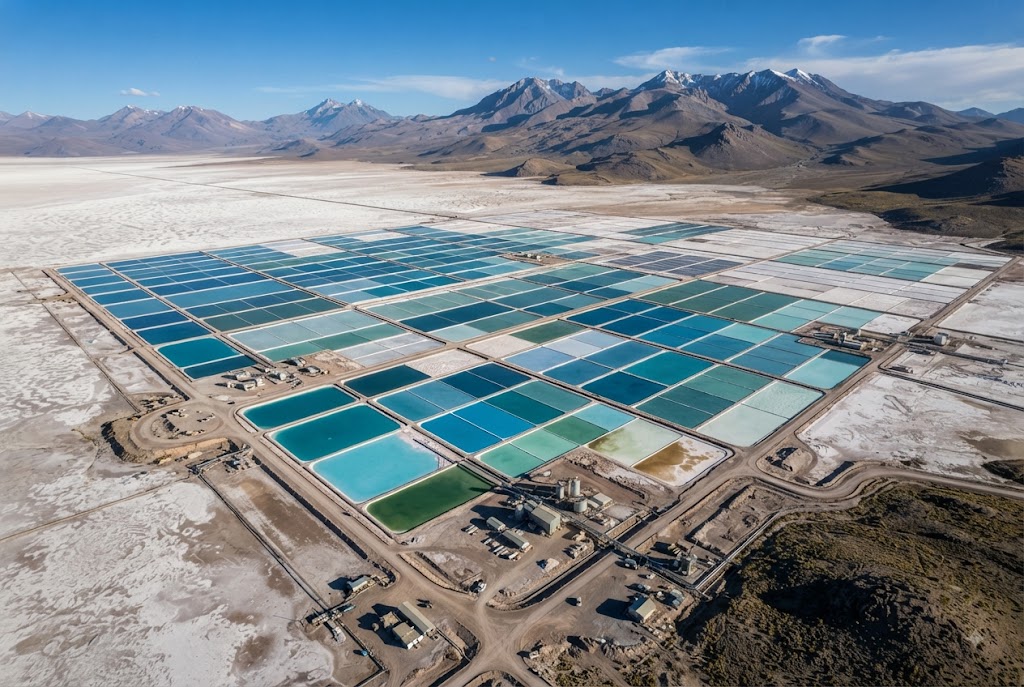
Australia remains the largest source of hard-rock lithium while Chile anchors brine supply from the Atacama. China controls both lepidolite output and the majority of refining capacity. Argentina adds a fast-growing third pillar for brine projects.
The change since the downturn is behavioural rather than geographic. Producers across these regions now coordinate curtailments, delay expansions and tie new capacity to signed offtake, so supply grows in steps instead of a flood.
That discipline sets a floor under prices. Even if spot markets cool, the marginal cost of restarted Australian spodumene and Chinese lepidolite holds the tradeable range well above the lows of the previous cycle.
China's role deserves special attention. The country refines the majority of the world's battery-grade material, so its lepidolite cost curve effectively sets the floor for global spot prices. When Chinese mines idle, that floor rises.
Who Buys Lithium and Why the Demand Mix Keeps Widening
Battery cathode manufacturers absorb the majority of traded lithium carbonate and hydroxide, and cell makers increasingly sign direct offtake to secure capacity. Every new gigafactory announcement tightens the qualified supply pool a little more.
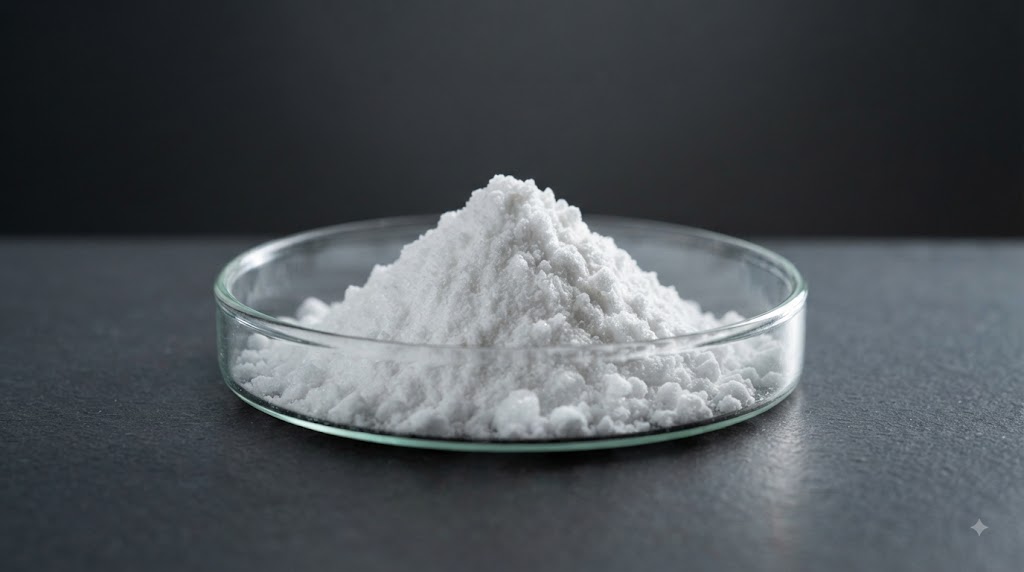
Beyond batteries, glass and ceramic producers use lithium to lower melting temperatures while grease formulators rely on lithium hydroxide for high-performance lubricants. Pharmaceutical buyers take steady volumes for mood-stabilising drugs, and these industrial users bid into the same market as battery makers.
Energy storage integrators also entered the market as direct buyers, signing offtake for projects that discharge power years after EVs charge. Their presence adds demand that is less sensitive to consumer sentiment.
The widening buyer base means procurement teams now compete with more counterparties than they did three cycles ago. That competition persists in every phase of the price cycle.
Supply Chain Risks and Sourcing Challenges in a Rising Lithium Market
Rising prices expose structural friction in lithium sourcing. Battery-grade material requires long qualification cycles, so a buyer cannot simply switch suppliers when quotes climb.
Specification risk rises as traders blend or reprocess material to chase margin, making certificates of analysis and third-party inspection non-negotiable.
Freight and insurance costs move with the same macro forces that lift lithium, so landed cost can jump even when the base price holds.
Export controls and local-content rules in producing countries add paperwork and delay that did not exist in the previous cycle.
Payment terms tighten first when prices rise, so early treasury involvement in the negotiation protects working capital.
Teams that treat supplier qualification as an ongoing project handle these risks far better. They also negotiate from knowledge when the market turns again.
Lithium Market Outlook for 2027 and Beyond
Demand models for 2027 keep lithium among the fastest growing traded commodities, with energy storage deployments compounding on top of vehicle electrification. Supply takes years to permit and build, so the market stays vulnerable to demand surprises.
Prices will still fluctuate. Short squeezes and corrections are part of any commodity upswing, and buyers should plan for volatility rather than a straight line.
What changes is the centre of gravity. The cost curve now sets a higher floor, and producers like Albemarle will use strong margins to fund expansion on their own timetable rather than under pressure from investors.
Recycled supply from end-of-life batteries will grow through 2027, yet it remains too small to displace mined lithium. Primary producers keep their pricing power for now.
The Bottom Line for Procurement Teams
Albemarle's quarter confirms that the lithium market has moved from surplus to balance and from buyer power to seller power. Coverage decisions that waited for another dip now carry real supply risk.
Review contract coverage for 2027 now, because producers with 49% margins have little incentive to offer deep term discounts.
Qualify at least one additional supplier for every critical specification while material still moves freely.
Pair fixed-price volume with index-linked contracts so your team shares upside and downside with the market.
The sellers' window is open, and prepared buyers will close their coverage before it narrows further. Ready to source lithium carbonate from verified global suppliers? Explore competitive offers on our platform today.