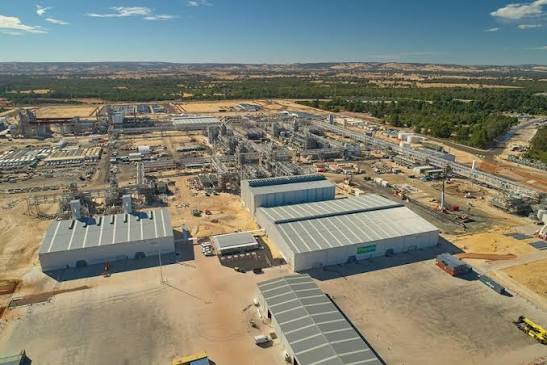
Albemarle's decision to place Kemerton Train 1 into care and maintenance highlights the difficult economics facing lithium processing outside China's dominant supply chain. The move also adds weight to a broader policy debate about whether Western markets can maintain strategically important lithium capacity while competing with lower-cost global producers.
For chemical traders, battery-material suppliers and procurement teams, the decision is more than an individual facility development. It illustrates the connection between lithium market prices, processing economics, government policy and the long-term resilience of critical mineral supply chains.
Why Kemerton Matters to Western Lithium Processing
Kemerton is part of Western Australia's lithium processing landscape and represents an effort to move beyond exporting raw mineral resources toward greater downstream processing. Such facilities can create additional value within producing regions while supporting domestic and allied battery-material supply chains.
However, downstream processing requires competitive economics. When lithium prices weaken or operating costs remain elevated, conversion facilities can face significant pressure even when the underlying mineral resource remains strategically important.
The care-and-maintenance decision therefore illustrates a central challenge for Western lithium policy. Governments may want greater domestic processing capacity, but producers still need commercially sustainable operating conditions.
Care and Maintenance Is Different From Permanent Closure
Placing a processing train into care and maintenance allows a producer to suspend normal operations while preserving the ability to potentially restart the facility when market conditions improve.
This distinction matters for lithium supply planning. A temporarily inactive processing train does not necessarily represent the permanent removal of capacity, but it can reduce operating supply while the facility remains offline.
For procurement teams, the distinction creates two separate considerations:
Near-term availability: An inactive processing train can reduce regional production or conversion capacity during the maintenance period.
Long-term optionality: Preserving the facility may allow capacity to return if lithium economics and strategic conditions become more favorable.
This makes care-and-maintenance decisions important market signals even when they do not represent permanent asset closures.
Lithium Prices Remain Central to Processing Economics
Lithium processing economics depend heavily on the relationship between raw material costs, conversion expenses and the market value of finished lithium products. When selling prices fall significantly, higher-cost processing assets can become difficult to operate profitably.
This creates a challenging environment for producers located in regions with relatively high energy, labor and infrastructure costs. Western facilities may have strategic value, but commercial competitiveness still determines whether they can operate continuously.
For traders, lithium market analysis therefore needs to consider more than headline prices. Processing costs, feedstock availability, logistics and facility utilization can all influence the amount of economically viable supply reaching downstream customers.
The Western Lithium Policy Debate
The Kemerton decision contributes to a wider debate about the role of government policy in developing critical mineral supply chains. Western governments increasingly view lithium as strategically important because it supports batteries, electric vehicles, energy storage and other technologies.
Yet strategic importance does not automatically guarantee commercial competitiveness. Policymakers must consider how to support domestic and allied processing capacity without creating supply chains that depend permanently on subsidies.
The debate generally revolves around several priorities:
Supply security: Western markets want reliable access to critical minerals and battery materials.
Domestic processing: Governments seek to capture more value from mineral resources before export.
Competitive costs: Processing facilities must remain commercially viable against international competition.
Strategic resilience: Policymakers want to reduce excessive dependence on concentrated supply chains.
Investment confidence: Companies need sufficient visibility to justify major long-term capital commitments.
Kemerton illustrates the tension between these objectives. A facility can be strategically valuable while still facing difficult market economics.
What the Decision Means for Australian Lithium
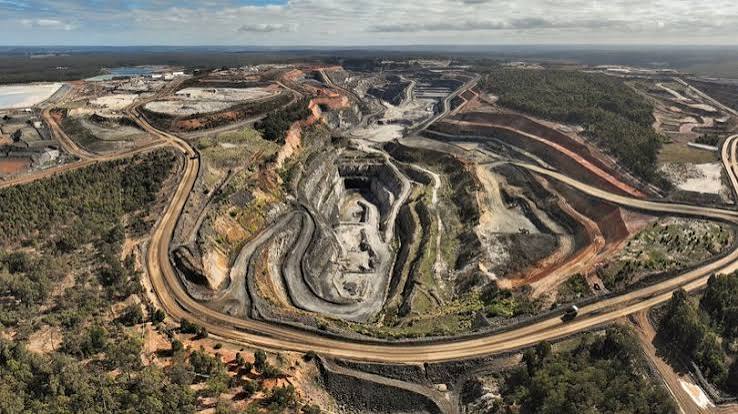
Australia remains an important part of the global lithium supply chain, particularly as a major producer of lithium-bearing mineral resources. Expanding domestic processing has been a key component of efforts to capture more value within the country.
The challenge is ensuring that processing economics support this ambition. Mining and conversion are linked but not identical businesses, and a strong resource base does not automatically make every downstream processing operation competitive.
Care-and-maintenance decisions can therefore encourage policymakers and industry participants to reassess the economics of downstream development. The question becomes not simply whether Australia can process lithium, but under what market and policy conditions that processing can remain commercially sustainable.
Strategic Support Could Influence Future Capacity
Government policy can play several roles in strengthening Western lithium supply chains. Support can include financing mechanisms, investment incentives, strategic procurement arrangements and measures designed to reduce the cost disadvantage faced by domestic processors.
Such policies can influence whether facilities remain operational during periods of weak commodity prices. They can also affect investment decisions for future processing projects.
However, policy support must balance strategic objectives with commercial realities. Long-term supply chains require sustainable operating models rather than relying exclusively on temporary market interventions.
For traders and investors, changes in government policy can therefore become important market signals. A new incentive program or strategic supply initiative can alter the economics of a processing project even when lithium prices remain unchanged.
The Supply Chain Impact Extends Beyond Lithium Producers
Changes in lithium processing can affect a much wider network of companies. Battery manufacturers, cathode producers, electric vehicle companies and energy-storage businesses all depend on reliable access to lithium chemicals.
Any reduction in Western conversion capacity can therefore increase the importance of alternative suppliers and processing regions. Buyers may respond by expanding supplier qualification programs or increasing the geographic diversity of contracts.
This can create opportunities for traders capable of connecting producers with downstream consumers across multiple markets. Strong logistics capabilities and reliable supplier relationships can become increasingly valuable when regional processing capacity fluctuates.
What Traders Should Monitor Next
The most important signals will come from the interaction between lithium prices, processing costs and policy support. Monitoring only one of these factors can provide an incomplete picture of Western supply viability.
Traders should pay attention to:
Facility restarts: A return to operations would signal improved economics or stronger strategic support.
Additional capacity decisions: Further care-and-maintenance actions could indicate continuing pressure on Western processing.
Government measures: New incentives can materially change the economics of domestic conversion.
Lithium market recovery: Higher prices could improve the viability of higher-cost processing assets.
Supply diversification: New projects outside established processing hubs could gradually reshape regional supply.
Together, these indicators can help market participants distinguish between temporary market weakness and longer-term structural changes.
The Broader Outlook for Western Critical Minerals
The Kemerton decision highlights a difficult question for Western policymakers: how can strategic mineral supply chains remain resilient when production costs are higher than those of established global competitors?
The answer will likely involve a combination of market forces, technological improvements, long-term customer commitments and targeted government policy. None of these factors alone can guarantee the success of a processing facility.
For chemical traders and procurement teams, this means critical mineral sourcing will increasingly involve both commercial and geopolitical considerations. Buyers may need to evaluate not only price and product specifications but also the geographic resilience of the supply chain behind those products.
The Bottom Line for Lithium Buyers
Albemarle's decision to place Kemerton Train 1 into care and maintenance highlights the difficult balance between commercial economics and strategic supply-chain goals. The move shows why Western lithium processing remains central to the broader debate over critical mineral independence and supply security.
For procurement teams, the key lesson is to monitor operating capacity, policy developments and lithium market economics together. Western processing capacity may carry strategic value, but its long-term availability will depend on whether producers can establish sustainable commercial conditions.
As governments and industry continue seeking more diversified critical mineral supply chains, decisions like Kemerton's will remain important indicators of where Western lithium processing is heading.