Allergen Management in Ingredient Manufacturing: A Practical Guide
Understanding Allergen Management in Ingredient Manufacturing
Allergen management is a critical part of food ingredient manufacturing. Certain proteins found in ingredients such as milk, soy, wheat, eggs, peanuts and tree nuts can trigger allergic reactions in sensitive consumers. For this reason, manufacturers must identify allergenic materials and prevent unintended allergen transfer during production.
Ingredient manufacturers supply raw materials to food businesses across multiple sectors, including bakery, confectionery, beverages, sauces, snacks and ready-to-eat foods. Their ingredients may pass through several processing, storage and distribution stages before reaching the final consumer. Accurate allergen information must therefore remain available throughout the supply chain.
A structured allergen management programme combines supplier documentation, ingredient identification, production controls, cleaning procedures, employee training and traceability. These measures help manufacturers reduce food safety risks and provide customers with reliable information about the ingredients they purchase.
Why Allergen Control Is Important
Undeclared allergens can create serious risks for consumers with food allergies. Even when an allergen is not intentionally added to a product, accidental transfer from shared equipment or contaminated raw materials may introduce it into the finished ingredient.
For manufacturers, poor allergen control can also lead to rejected shipments, customer complaints, product recalls and regulatory consequences. Incomplete documentation may make it difficult for food producers to determine whether an ingredient is suitable for a particular formulation.
Effective allergen management helps prevent these problems by establishing clear procedures for identifying, handling and documenting allergenic materials.
Common Sources of Allergen Cross-Contact
Allergen cross-contact can occur at several points during ingredient manufacturing:
Receiving: Incoming materials may have incomplete allergen declarations or damaged packaging.
Storage: Spills, leaks and poor segregation can expose other ingredients to allergens.
Processing: Shared mixers, conveyors, tanks and utensils may transfer allergenic residues.
Cleaning: Inadequate cleaning may leave residues on food-contact surfaces.
Packaging: Incorrect labels or packaging changes may result in inaccurate allergen information.
Transportation: Poor handling practices can expose ingredients to unintended cross-contact.
Identifying these risks allows manufacturers to develop controls based on their ingredients, equipment, production processes and customer requirements.
Supplier Documentation and Allergen Identification
Reliable supplier documentation is the foundation of an effective allergen management programme. Manufacturers need accurate information about the composition, origin and handling requirements of each ingredient before approving it for use.
Essential Documents for Allergen Management
Suppliers should provide the technical information needed to assess allergen risks. Depending on the ingredient and application, this may include:
Ingredient specifications and composition details
Allergen declarations
Technical data sheets
Certificates of analysis, where applicable
Relevant safety data sheets
Manufacturing and handling information
Information about potential cross-contact
Notifications of changes to ingredients, processes or manufacturing sites
Each document serves a different purpose. For example, an ingredient specification describes product characteristics, while an allergen declaration identifies relevant allergens according to the supplier's assessment and applicable requirements.
A certificate of analysis should not automatically be treated as proof that an ingredient is free from all allergens. Manufacturers should review the scope of the document and determine whether additional evidence is needed.
Reviewing Supplier Allergen Declarations
Allergen declarations should be clear, complete and consistent with the ingredient specification. Manufacturers should check whether allergens are intentionally present and whether the supplier has identified relevant cross-contact risks.
If information is missing or inconsistent, the quality team should contact the supplier before approving the ingredient. Assumptions based on an ingredient's name or general category are not a reliable substitute for documented evidence.
Supplier communication should also cover changes that could affect allergen status. A revised formulation, new raw material, different production line or manufacturing-site change may require a fresh risk assessment.
Maintaining Updated Supplier Records
Allergen documentation should be stored in an organised system that allows authorised employees to access the current approved version. Digital document management can help track review dates, supplier approvals, outstanding declarations and specification changes.
Procurement and quality assurance teams should establish responsibilities for reviewing and approving records. Outdated documents should be replaced, and relevant changes should be communicated to product development, production and labelling teams.
Preventing Cross-Contact During Ingredient Production
Preventing cross-contact requires controls throughout the manufacturing process. These controls should cover raw material receiving, storage, weighing, processing, cleaning and packaging.
Separating Allergenic Ingredients
Allergen-containing materials should be clearly identified and stored according to a documented risk assessment. Physical separation may be appropriate when there is a significant risk of spills, damaged packaging or accidental mixing.
Manufacturers can use sealed containers, designated storage areas, clear labels and colour-coded handling equipment to support safe material identification. Allergen-containing powders may require additional precautions because airborne dust can settle on nearby surfaces or enter other materials.
Employees should follow established procedures when transferring, weighing or dispensing ingredients. Spills must be contained and cleaned using appropriate methods to prevent residues from spreading.
Managing Shared Equipment and Production Schedules
Shared equipment can create cross-contact risks when different ingredients pass through the same mixers, tanks, conveyors or filling systems. Dedicated equipment may reduce these risks where practical, but many facilities rely on validated cleaning and controlled production scheduling.
Production sequences can be planned to reduce the likelihood of allergen transfer. For example, products with fewer allergen-related restrictions may be scheduled before products containing particular allergens when the facility's risk assessment supports this approach.
Manufacturers should document production changeovers and define how equipment, utensils and intermediate materials are handled between batches. Production employees must understand the procedures and know when equipment requires cleaning before the next product is processed.
Cleaning and Allergen Verification
Cleaning procedures should be designed to remove allergen residues from food-contact surfaces. The method must suit the ingredient and equipment involved because residues can accumulate in seals, joints, filters and other difficult-to-clean areas.
Cleaning instructions should identify the required steps, suitable cleaning agents, disassembly requirements and verification activities. Visual inspection can help identify visible residue, but it cannot reliably confirm the absence of allergenic proteins.
Depending on the risk assessment, manufacturers may use appropriate allergen-specific tests to verify cleaning effectiveness. Verification methods should be suitable for the allergen, sampling location and intended purpose.
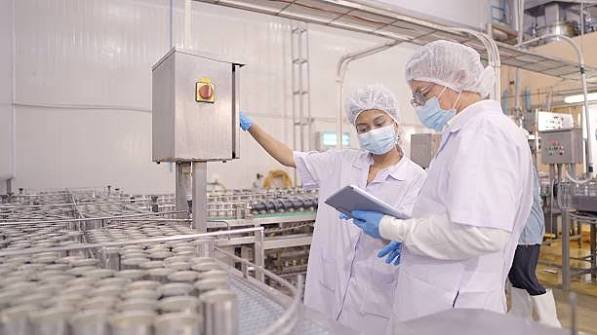
Cleaning results should be documented. If verification fails, the manufacturer should investigate the cause, repeat appropriate cleaning steps and confirm that the equipment meets the required conditions before production resumes.
Building an Effective Allergen Documentation System
Written procedures and accurate records help manufacturers apply allergen controls consistently. Documentation should reflect actual manufacturing practices rather than simply existing for audit purposes.
Creating an Allergen Matrix
An allergen matrix connects incoming ingredients with their relevant allergen information and the finished products in which they are used. It helps quality teams identify products that require specific handling, cleaning, storage or labelling controls.
The matrix should be updated whenever a formulation, supplier, specification or manufacturing process changes. It should also remain consistent with approved product records and applicable labelling requirements.
Regular reviews help identify gaps before they affect production. For example, if a supplier changes an ingredient's composition, the manufacturer should assess whether the change affects the allergen matrix, cleaning procedures or finished-product information.
Developing Standard Operating Procedures
Standard operating procedures should explain how employees manage allergens during everyday operations. Clear instructions help reduce variation between shifts and production teams.
Important procedures may cover:
Receiving and inspecting incoming materials
Identifying and storing allergenic ingredients
Weighing and transferring raw materials
Preventing cross-contact during processing
Cleaning and verifying shared equipment
Controlling packaging and label changes
Managing spills and accidental mixing
Recording deviations and corrective actions
Procedures should be practical, accessible and reviewed whenever relevant processes change.
Training Employees and Maintaining Records
Employees need training that matches their responsibilities. Warehouse staff should understand ingredient identification and storage controls, while production workers need to know how to prevent cross-contact during handling and equipment changeovers.
Quality assurance teams should understand supplier documentation, allergen risk assessments and cleaning verification records. Packaging employees must follow procedures that ensure the correct label is applied to the correct product.
Training records should identify who received training and when it occurred. Refresher training may be needed after procedure changes, equipment modifications or incidents that reveal gaps in employee understanding.
Regulatory Compliance and Food Safety Requirements
Allergen management requirements vary by country, product category and intended market. Ingredient manufacturers should identify the regulations that apply to their products and customers rather than assuming the same requirements apply everywhere.
In the United States, the Food and Drug Administration provides guidance on major food allergens and food labelling. Its food safety regulations under 21 CFR Part 117 also address preventive controls relevant to allergen cross-contact in covered facilities.
The United Kingdom and European Union have their own food allergen information and labelling requirements. Manufacturers supplying international markets should confirm the current rules for each destination and ensure that product documentation supports customer compliance.
Conducting Internal Audits
Internal audits help determine whether allergen procedures are being followed effectively. Auditors can review supplier declarations, storage arrangements, cleaning logs, production schedules, training records and packaging controls.
Audit findings should be documented and assigned to responsible employees. When a problem is identified, the manufacturer should determine its cause, assess the potential impact on affected products and implement corrective action.
Depending on the situation, actions may include holding affected materials, repeating cleaning, correcting documentation, reviewing labels or retraining employees. Corrective actions should be checked to confirm that they address the underlying problem.
Managing Allergen Risks in Procurement and Supply Chains
Allergen management begins before an ingredient arrives at the manufacturing facility. Procurement teams should evaluate supplier documentation and allergen risks alongside price, quality, availability and delivery requirements.
Qualifying and Monitoring Suppliers
Supplier qualification should include a review of allergen declarations, documentation quality and change-management practices. Depending on the level of risk, manufacturers may request additional evidence, conduct supplier audits or establish specific technical agreements.
Ongoing monitoring is equally important. Suppliers may change their formulations, raw material sources, production equipment or manufacturing locations. These changes can affect the allergen profile of an ingredient even when its commercial name remains unchanged.
Manufacturers should establish a process for receiving and reviewing supplier change notifications before the affected materials are used in production.
Evaluating Ingredient Substitutions
Ingredient substitutions can introduce new allergen risks. An alternative supplier may use a different formulation or manufacture an ingredient in a facility that handles additional allergens.
Before approving a substitute, manufacturers should review its technical specification, allergen declaration and suitability for the intended application. Product formulations, production instructions and labels should be updated when necessary.
Commercial pressure should not replace the technical review required to approve a new ingredient. A lower-cost alternative is only suitable when it meets the relevant quality, safety and regulatory requirements.
Practical Steps to Improve Allergen Management
Manufacturers can strengthen their allergen programmes by reviewing existing procedures and prioritising the most significant risks.
Review ingredient specifications: Identify missing, inconsistent or outdated allergen information.
Update allergen matrices: Ensure ingredient and finished-product records reflect current formulations.
Assess cross-contact risks: Examine storage, weighing, processing, cleaning and packaging operations.
Verify cleaning effectiveness: Confirm that cleaning procedures are suitable for the allergens handled.
Improve supplier communication: Set clear requirements for allergen declarations and change notifications.
Train employees: Provide role-specific instruction and maintain training records.
Conduct regular audits: Review procedures, documentation and corrective actions to identify weaknesses.
These activities should form part of the facility's broader food safety management system. Controls must be reviewed when ingredients, suppliers, equipment or production processes change.
Strengthening Food Safety Through Allergen Control
Effective allergen management depends on cooperation between procurement, quality assurance, production, warehousing and packaging teams. Accurate supplier documentation helps manufacturers understand incoming materials, while suitable segregation, cleaning and process controls reduce the risk of unintended allergen transfer.
A well-maintained programme also supports traceability, customer confidence and regulatory compliance. By keeping records current, verifying cleaning procedures and reviewing supplier changes, ingredient manufacturers can improve food safety and provide more reliable materials to food producers.

Soya Lecithin
Found this useful?