
Aluminium Sulphate: Industrial Uses in Water Treatment and Paper
Aluminium sulphate is an important industrial chemical that supports two major sectors, water treatment and paper manufacturing. Commonly known as alum, this inorganic compound helps remove suspended impurities from water and improves several properties of paper during production.
Its ability to interact with dissolved substances and suspended particles makes it valuable for municipal water treatment plants, wastewater facilities and paper mills. For chemical traders, procurement managers and industrial buyers, understanding aluminium sulphate applications, product grades and supply requirements helps improve purchasing decisions and maintain consistent production quality.
As industries continue to focus on water quality, manufacturing efficiency and environmental management, aluminium sulphate remains a relevant chemical for industrial supply chains.
What Is Aluminium Sulphate and How Is It Produced?
Aluminium sulphate is an inorganic chemical compound with the molecular formula Al₂(SO₄)₃. Commercial products commonly contain different amounts of water of crystallisation, depending on their manufacturing process and supplied form.
The chemical generally appears as a white or off-white crystalline solid, granules or powder. Manufacturers also supply it as a liquid solution for industrial applications that require continuous chemical dosing.
Manufacturing Process of Aluminium Sulphate
Manufacturers primarily produce aluminium sulphate by reacting aluminium hydroxide with sulphuric acid under controlled conditions. Some production processes also use processed bauxite as an aluminium source.
The general chemical reaction is:
\[ 2Al(OH)_3 + 3H_2SO_4 \rightarrow Al_2(SO_4)_3 + 6H_2O \]
During production, manufacturers control reaction temperature, acid concentration and raw material quality to achieve the required product specifications.
After the reaction, manufacturers process the resulting solution according to the intended commercial form:
Liquid aluminium sulphate: Manufacturers prepare a solution at a specified concentration for direct industrial dosing.
Powdered aluminium sulphate: Producers process and dry the material to create a solid product for storage and transportation.
Granular aluminium sulphate: This form offers convenient handling and controlled dissolution in industrial applications.
Product concentration, moisture content, iron levels and insoluble matter influence the suitability of aluminium sulphate for different industries.
Aluminium Sulphate Applications in Water Treatment
Water treatment represents one of the most important applications of aluminium sulphate. Municipal water facilities, industrial treatment plants and wastewater management operations use this chemical to improve water clarity and remove suspended contaminants.
Aluminium sulphate works primarily as a coagulant. When operators add it to untreated water, aluminium species interact with negatively charged suspended particles and destabilise them.
These particles then combine into larger aggregates called flocs. The flocs settle at the bottom of treatment tanks or become easier to remove through filtration.
Removal of Suspended Solids and Turbidity
Untreated water often contains clay, silt, organic matter and other suspended particles. These impurities increase turbidity and affect the appearance and quality of water.
Aluminium sulphate helps bring these particles together, allowing treatment facilities to separate them through sedimentation and filtration.
This process supports:
Municipal drinking water purification.
Industrial process water treatment.
Surface water clarification.
Removal of suspended solids from wastewater.
Improved filtration performance.
The required chemical dosage depends on raw water characteristics, including turbidity, temperature, alkalinity and organic matter content.
Wastewater Treatment and Phosphorus Removal
Industrial wastewater frequently contains suspended solids, organic contaminants and nutrients that require treatment before discharge or reuse.
Aluminium sulphate helps wastewater facilities remove suspended materials and reduce phosphorus concentrations through chemical precipitation and coagulation.
Industries such as textiles, food processing and paper manufacturing can use alum-based treatment systems to improve wastewater quality.
However, treatment operators must carefully manage chemical dosage, sludge generation and final water pH to achieve consistent results.
Improving Water Treatment Efficiency
The effectiveness of aluminium sulphate depends on several operating conditions.
Treatment facilities generally consider:
pH levels: Aluminium sulphate performs within a suitable pH range, which operators must determine according to water chemistry and treatment objectives.
Chemical dosage: Under-dosing may leave suspended particles in the water, while excessive dosing can increase residual aluminium and treatment costs.
Mixing conditions: Rapid mixing distributes the chemical, while controlled flocculation encourages particle aggregation.
Water alkalinity: Aluminium sulphate consumes alkalinity during hydrolysis, so some facilities require additional alkaline chemicals.
Operators commonly perform jar tests before selecting the final dosage for full-scale treatment operations.
Role of Aluminium Sulphate in Paper Manufacturing
The paper industry represents another important market for aluminium sulphate. Paper manufacturers use alum in several production stages to manage chemical retention, improve manufacturing performance and control the interaction of different additives.
Paper production involves combining cellulose fibres, fillers, pigments and functional chemicals. Maintaining the correct chemical balance helps manufacturers achieve the required paper strength, surface properties and production efficiency.
Improving Chemical Retention
Paper manufacturers add different materials during production, including mineral fillers, sizing agents and retention aids.
Some of these materials can escape with process water if they do not remain properly associated with the paper fibres.
Aluminium sulphate helps manage the interaction between charged materials in the papermaking system. Under suitable conditions, it supports the retention of certain additives and fine particles within the paper sheet.
Better retention can reduce material losses and help manufacturers maintain consistent product quality.
Supporting Paper Sizing
Sizing is an important process that controls how quickly paper absorbs liquids. It helps manufacturers produce paper suitable for printing, packaging and other commercial applications.
Aluminium sulphate has traditionally played a role in rosin-based sizing systems. It helps create conditions that support the retention and effectiveness of sizing chemicals on paper fibres.
However, modern paper mills also use neutral and alkaline sizing systems that rely on different chemical technologies. Therefore, aluminium sulphate requirements depend on the mill's production process and selected sizing formulation.
Controlling Paper Production Chemistry
Aluminium sulphate also helps manufacturers manage the chemical environment inside paper machines.
Its applications may include:
Supporting rosin sizing systems.
Improving the retention of selected papermaking additives.
Managing interactions between fibres, fillers and charged chemicals.
Supporting pitch and deposit control programmes.
Helping maintain process stability under suitable operating conditions.
Paper mills must balance alum dosage with pH, water chemistry and other additives to prevent operational problems.
Key Factors Affecting Aluminium Sulphate Quality
Industrial buyers should evaluate product specifications before purchasing aluminium sulphate. Different manufacturing processes and commercial grades can produce variations that affect chemical performance.
Selecting an unsuitable grade may increase consumption, create production inconsistencies or affect the efficiency of treatment operations.
Aluminium Oxide Content
Aluminium oxide content provides an important indication of the concentration of active aluminium in commercial aluminium sulphate products.
Water treatment facilities and paper mills should compare the supplier's declared concentration with their operational requirements.
For liquid products, buyers should also confirm the concentration basis, density and specific gravity to ensure accurate dosing calculations.
Iron Content and Product Purity
Iron impurities can affect product suitability, particularly in applications that require controlled water quality or specific paper characteristics.
Buyers should review iron content, insoluble matter and other relevant impurities before approving a supplier.
A consistent product specification helps industrial facilities reduce variations between different deliveries.
Physical Form and Solubility
The choice between liquid and solid aluminium sulphate depends on storage facilities, transportation arrangements and chemical dosing systems.
Liquid products offer convenience for facilities with bulk storage tanks and automated dosing equipment.
Powdered products provide flexibility for buyers who prefer dry chemical storage.
Granular products can simplify handling and preparation for certain industrial operations.
Buyers should also evaluate dissolution behaviour and storage stability when selecting a commercial grade.
Global Supply Chain and Procurement Considerations
Aluminium sulphate procurement involves more than comparing supplier quotations. Chemical buyers must consider raw material availability, production consistency, transportation costs and delivery requirements.
Manufacturers rely on aluminium-bearing raw materials and sulphuric acid to produce the chemical. Changes in the availability or cost of these inputs can influence manufacturing economics and supplier quotations.
Supplier Selection and Product Documentation
Industrial buyers should work with suppliers who can provide consistent specifications and appropriate technical documentation.
Important procurement documents include:
Certificate of Analysis (COA).
Safety Data Sheet (SDS).
Technical Data Sheet (TDS).
Product concentration and purity specifications.
Batch identification and manufacturing details.
Packaging and storage recommendations.
Buyers should request representative samples when evaluating a new supplier, particularly for applications where chemical consistency directly affects production performance.
Transportation and Storage Requirements
Manufacturers and distributors supply aluminium sulphate in bags, bulk containers and liquid tankers, depending on the product form and order volume.
Solid aluminium sulphate generally requires moisture-resistant packaging to prevent contamination and unwanted moisture absorption.
Liquid aluminium sulphate requires compatible storage tanks, suitable transfer equipment and corrosion-resistant handling systems.
Buyers should evaluate transportation costs alongside product pricing. Liquid products may reduce handling requirements at the receiving facility, but transportation distance and storage infrastructure can influence their overall purchasing economics.
Environmental and Operational Considerations
Aluminium sulphate supports water purification and industrial wastewater management, but its use requires appropriate process control.
Chemical dosing affects pH and alkalinity, while coagulation produces sludge containing captured impurities and aluminium compounds.
Treatment facilities must manage this sludge through suitable collection, dewatering and disposal procedures.
Paper manufacturers also need to monitor process water quality and chemical consumption to reduce unnecessary losses and improve production efficiency.
Responsible chemical management includes:
Following recommended handling and storage procedures.
Using appropriate personal protective equipment.
Preventing uncontrolled chemical discharge.
Monitoring pH and residual aluminium in treated water.
Managing treatment sludge according to applicable environmental requirements.
These practices help industrial facilities maintain operational reliability and meet relevant environmental standards.
What Aluminium Sulphate Buyers Should Consider
Demand from water treatment and paper manufacturing creates different procurement requirements for aluminium sulphate. Buyers should understand their application before selecting a supplier or negotiating a long-term purchasing agreement.
Water treatment facilities generally prioritise active aluminium concentration, coagulation performance and impurity control. Paper manufacturers focus on product consistency, process compatibility and the chemical requirements of their sizing and retention systems.
Before placing bulk orders, procurement teams should evaluate the following factors:
Application requirements: Confirm whether the product will serve drinking water treatment, wastewater treatment or paper manufacturing.
Technical specifications: Compare aluminium oxide content, iron levels, moisture and insoluble matter.
Supplier reliability: Evaluate production capacity, delivery performance and consistency across batches.
Commercial terms: Compare product pricing, packaging costs, freight charges and payment conditions.
Quality verification: Request samples and COAs before approving large-volume purchases.
Supply continuity: Consider maintaining relationships with multiple qualified suppliers to reduce procurement risks.
Chemical traders and distributors can also benefit from offering different product forms and specifications to serve diverse industrial customers.
As industries continue investing in water management and paper production, buyers need dependable sourcing arrangements that support both product quality and cost efficiency.
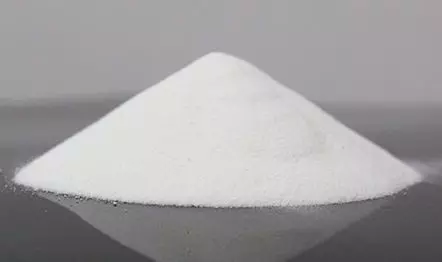
Aluminium Sulfate
Found this useful?