Ammonium Chloride: Applications in Batteries, Textiles and Metal Processing
Ammonium Chloride: Applications in Batteries, Textiles and Metal Processing
Ammonium chloride (NH₄Cl), also known as sal ammoniac, is an inorganic chemical widely used in battery manufacturing, textile processing, metal treatment and chemical production. Its properties, including high water solubility and its ability to participate in chemical reactions with metal oxides, make it a valuable material across several industrial applications.
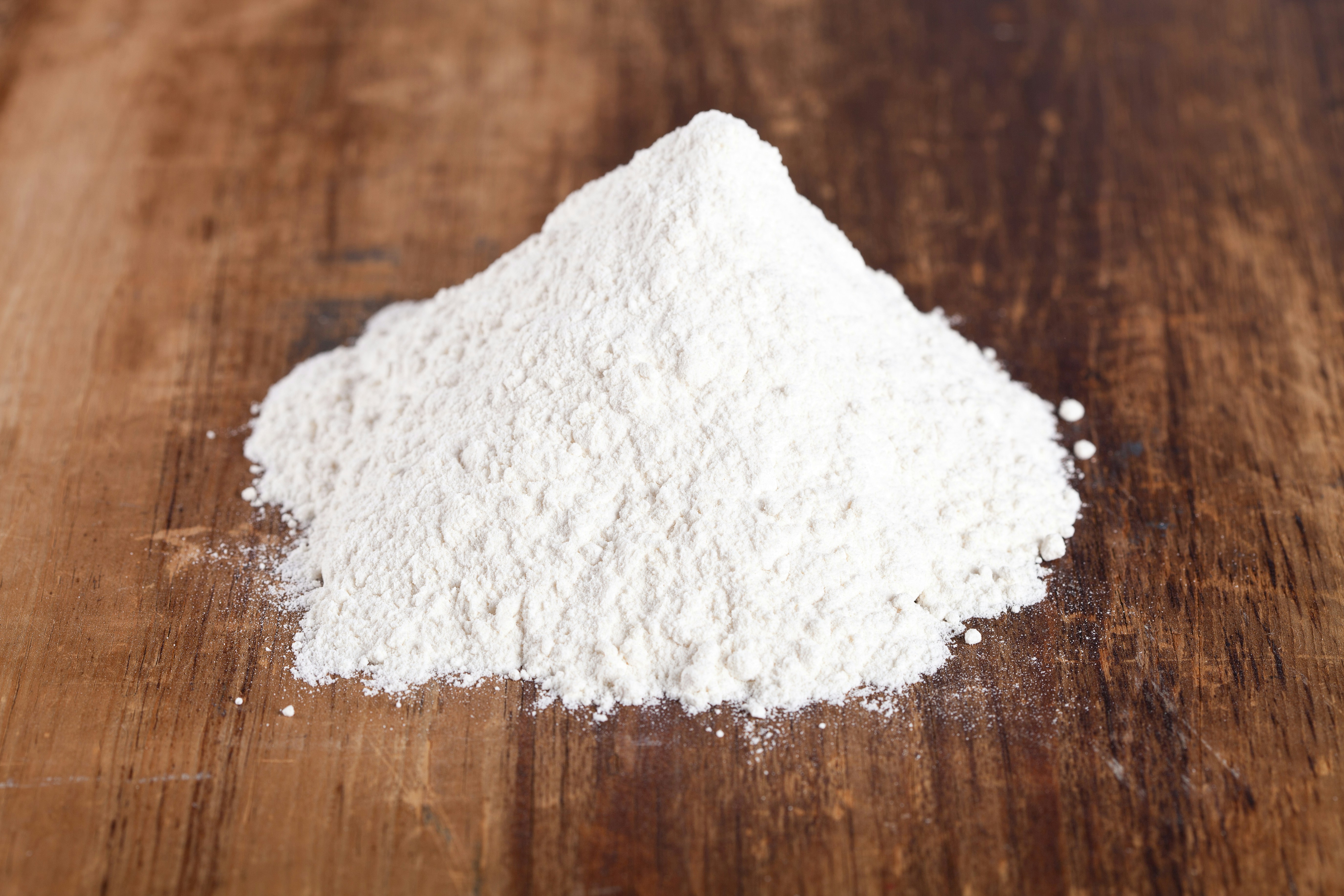
Available as a white crystalline powder or granular solid, ammonium chloride is used as an electrolyte component in certain dry-cell batteries, a mordant in textile dyeing and printing, and a flux in soldering, galvanising and metal coating operations. It also serves as a nitrogen source in selected fertilizer applications and as a raw material in the production of other ammonium compounds.
As manufacturers focus on process efficiency, product consistency and reliable chemical sourcing, ammonium chloride continues to support a range of established industrial operations.
What Is Ammonium Chloride?
Ammonium chloride is an inorganic salt with the chemical formula NH₄Cl and a molecular weight of approximately 53.49 g/mol. It is generally supplied as a white crystalline or granular solid and dissolves readily in water.
The compound consists of ammonium ions (NH₄⁺) and chloride ions (Cl⁻). It is produced commercially through the reaction of ammonia with hydrochloric acid or recovered as a by-product of certain industrial processes, including the Solvay process used in soda ash manufacturing.
Key Physical and Chemical Properties
Important characteristics of ammonium chloride include:
Chemical formula: NH₄Cl
Molecular weight: Approximately 53.49 g/mol
Appearance: White crystalline powder or granules
Water solubility: Readily soluble in water
CAS number: 12125-02-9
Chemical nature: Inorganic ammonium salt
These properties support its use in electrolyte formulations, metal-treatment processes, textile operations and chemical manufacturing. <Link ref="turn490108search10" title="ACS Reagent Chemicals – Ammonium Chloride Specifications"/>.
How Is Ammonium Chloride Manufactured?
Ammonium chloride can be manufactured by neutralising ammonia with hydrochloric acid. The reaction produces ammonium chloride and releases heat.
The chemical reaction is:
NH₃ + HCl → NH₄Cl
In commercial production, the resulting solution is concentrated and processed through crystallisation, followed by separation and drying to obtain the required solid product.
Another important production route is the Solvay process, where ammonium chloride is generated as a by-product during sodium carbonate manufacturing. Recovery and purification operations can convert this stream into a commercially useful product.
The selected production route influences the product's impurity profile, consistency and suitability for different industrial applications. <Link ref="turn490108search9" title="Brenntag – Ammonium Chloride"/>.
Major Applications in Industrial Manufacturing
1. Ammonium Chloride in Battery Manufacturing
One of the established applications of ammonium chloride is its use in certain dry-cell batteries, particularly zinc-carbon batteries and Leclanché-type cells.
Role as an Electrolyte Component
In conventional zinc-carbon battery systems, ammonium chloride is used in the electrolyte paste. The electrolyte provides an ionic pathway that supports the electrochemical reactions occurring inside the battery.
Its presence helps facilitate ion movement between the electrodes during battery operation. Depending on the battery design, ammonium chloride may be used alongside other electrolyte components, such as zinc chloride.
Applications in Battery Production
Ammonium chloride is relevant to:
Zinc-carbon dry-cell batteries
Leclanché-type battery systems
Electrolyte paste formulations
Selected battery research and development applications
Battery manufacturers must control chemical purity, moisture content and formulation consistency to support reliable electrolyte performance.

2. Applications in Textile Dyeing and Printing
Ammonium chloride is used in textile processing, particularly in certain dyeing and printing operations. It can help establish the chemical conditions required for specific textile treatments.
Use as a Processing Aid
In textile dyeing and printing, ammonium chloride may be used as a processing ingredient to support dye application and chemical reactions within the treatment bath. Its function depends on the fibre type, dye chemistry and process formulation.
It is also associated with selected textile-finishing operations, including cotton treatment and lustering.
Importance in Textile Manufacturing
Textile manufacturers consider ammonium chloride for processes where controlled chemical conditions are required. Its use may contribute to:
Preparation of selected dyeing and printing baths
Control of processing conditions
Specific finishing and treatment operations
Selected textile and leather-processing formulations
The required concentration and grade depend on the production method and the compatibility of the chemical with other ingredients.
3. Metal Processing, Soldering and Galvanising
Ammonium chloride has an important role in metal processing, especially as a flux in soldering, tinning and galvanising operations.
Use as a Soldering Flux
During soldering, metal surfaces may contain oxide layers that interfere with the formation of a reliable solder joint. Ammonium chloride helps clean metal surfaces by reacting with certain metal oxides under suitable heating conditions.
This supports better contact between the solder and the metal surface.
Applications in Galvanising and Tinning
Ammonium chloride is used in selected hot-dip galvanising and tinning operations as part of flux formulations. It helps prepare iron and steel surfaces before coating by reducing surface contamination and supporting the removal of oxide residues.
Its applications include:
Preparation of metal surfaces before coating
Flux formulations for galvanising
Tinning of metal components
Soldering and brazing operations
Selected electroplating processes
Industrial users must control flux concentration and operating conditions because heating ammonium chloride-containing materials can generate irritating fumes. <Link ref="turn490108search1" title="PubChem – Ammonium Chloride Uses and Industrial Applications"/>.
Other Industrial Applications of Ammonium Chloride
1. Fertilizer and Agricultural Chemical Production
Ammonium chloride is used as a nitrogen-containing fertilizer in selected agricultural markets. It supplies nitrogen in the form of ammonium ions, which plants can absorb.
It has been used particularly in rice cultivation in certain regions. However, its chloride content and the potential effects on soil conditions mean that suitability depends on crop requirements, soil characteristics and irrigation practices.
2. Chemical Manufacturing
Ammonium chloride is used as a starting material and processing ingredient in the production of various ammonium compounds. It also has applications in selected chemical formulations, including certain adhesives and resin-related manufacturing processes.
Its role as a chemical intermediate makes it relevant to manufacturers working with ammonia-based chemistry.
3. Pharmaceutical and Food Applications
Ammonium chloride has selected pharmaceutical applications, including its use as an expectorant in certain medicinal formulations. It is also used in some food applications under applicable regulatory requirements, including as a food additive designated E510.
These applications require suitable grades and compliance with the relevant quality and regulatory specifications.
Industrial-Grade vs. High-Purity Ammonium Chloride
Ammonium chloride is available in different grades depending on the intended application. Manufacturers should select a grade based on process requirements and the level of impurity control needed.
Industrial grade: Commonly used in metal processing, galvanising, textile applications and selected chemical manufacturing operations.
Technical or reagent grade: Used where tighter chemical specifications and controlled impurity levels are required, including laboratory and specialised industrial processes.
Specialised application grades: Selected for particular battery, pharmaceutical or food-related applications where additional quality and regulatory requirements apply.
The grade name alone is not sufficient to establish suitability. Buyers should review the product specification, certificate of analysis and relevant safety documentation.
Factors to Consider When Sourcing Ammonium Chloride
Reliable sourcing is important for manufacturers that depend on consistent chemical inputs. Procurement teams should evaluate the following factors:
Purity: Confirm that the product meets the requirements of the intended application.
Particle size: Select powder, crystals or granules according to handling and process needs.
Moisture content: Check moisture specifications to support storage stability and consistent processing.
Impurity levels: Review limits for metals and other contaminants where relevant.
Packaging: Choose moisture-resistant packaging suitable for transportation and storage.
Supplier reliability: Assess batch consistency, documentation, delivery performance and technical support.
Safety, Storage and Handling Considerations
Although ammonium chloride has several industrial applications, appropriate handling is essential. Dust and fumes can irritate the eyes, skin and respiratory system. Heating ammonium chloride during metal-processing operations may generate irritating fumes, requiring suitable ventilation and exposure controls.
Industrial facilities should follow these precautions:
Store the product in a cool, dry and well-ventilated area.
Keep containers tightly closed to limit moisture exposure.
Avoid generating or inhaling dust during handling.
Use appropriate gloves, protective clothing and eye protection.
Provide suitable ventilation in processing and heating areas.
Follow workplace procedures for spill management and waste disposal.
Consult the supplier's Safety Data Sheet (SDS) before use.
Industrial Outlook and Supply Chain Importance
Ammonium chloride remains a useful chemical input for several established manufacturing sectors. Its applications in zinc-carbon batteries, textile processing, galvanising, soldering and chemical production support demand across different industrial supply chains.
Its connection with the Solvay process also makes ammonium chloride relevant to the broader soda ash and inorganic chemicals industry. Recovery of ammonium chloride from suitable industrial streams can provide an additional source of material for downstream applications.
For manufacturers and procurement teams, product consistency, application-specific purity, reliable packaging and dependable supply remain important considerations when sourcing ammonium chloride.
As industrial production continues to rely on specialised processing chemicals, ammonium chloride maintains a role in battery electrolytes, textile treatments and metal-surface preparation.
Sources:
Ammonium Bicarbonate (E503(ii))
Found this useful?