Magnesium Oxide: Industrial Uses in Refractories and Construction
Magnesium Oxide: Industrial Uses in Refractories and Construction
Magnesium oxide (MgO), commonly known as magnesia, is an important inorganic compound used in high-temperature industrial processes and construction materials. Its high melting point, thermal stability and chemical properties make it particularly valuable in refractory products, furnace linings, cement manufacturing and specialised building materials.
In industrial applications, magnesium oxide helps protect equipment exposed to extreme temperatures, molten materials and demanding operating conditions. In construction, it is used in magnesium-based cement systems, flooring materials and magnesium oxide boards.
The performance of MgO depends on its purity, particle size, production method and physical properties. Different grades are therefore manufactured for applications ranging from steelmaking refractories to construction products.
What Is Magnesium Oxide?
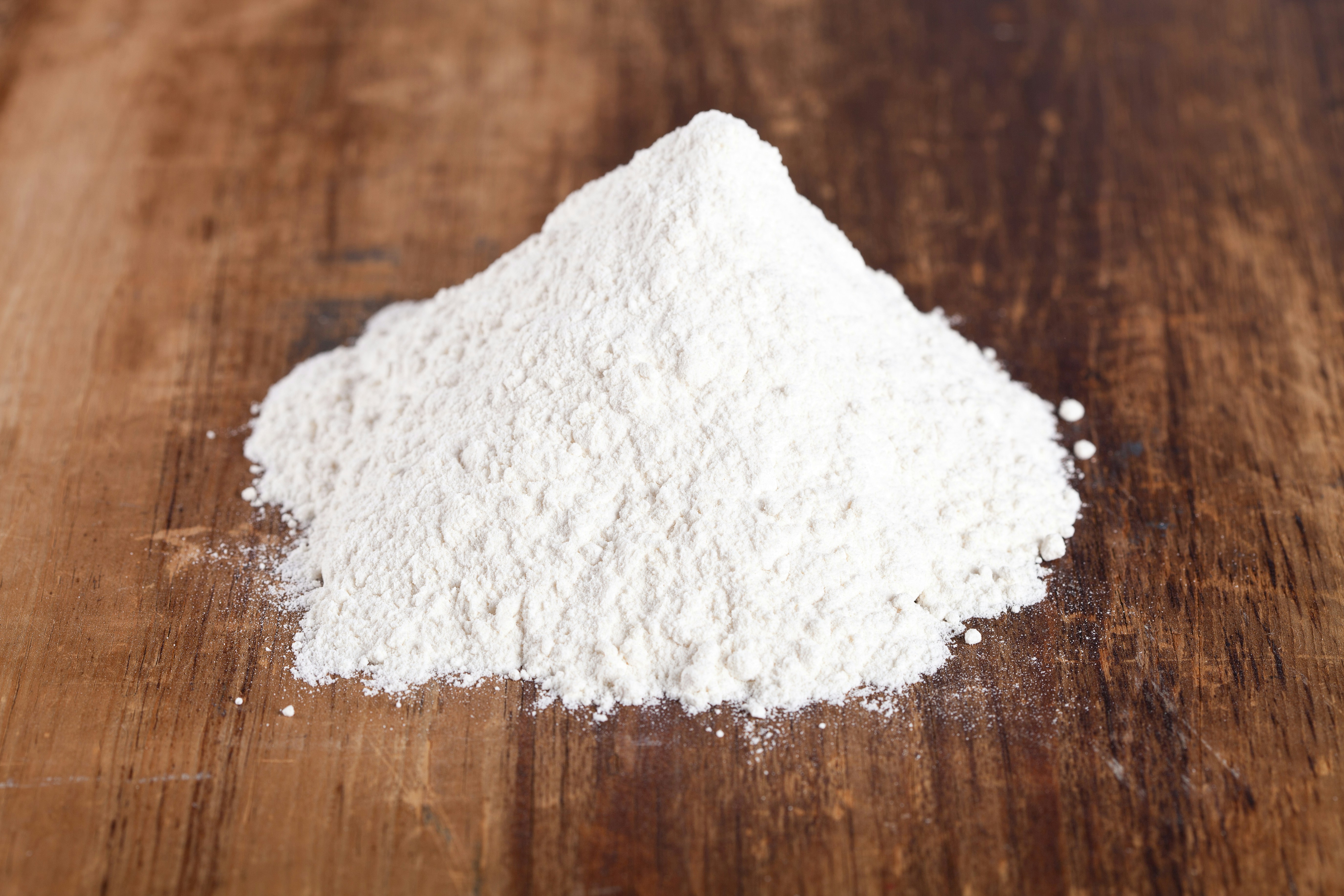
Magnesium oxide is an inorganic compound with the chemical formula MgO and a molecular weight of approximately 40.30 g/mol. It is generally available as a white powder or solid material and is produced commercially from natural minerals such as magnesite, as well as seawater and magnesium-rich brines.
One of its most important characteristics is its high melting point of approximately 2,852°C. This makes it suitable for applications requiring resistance to extreme heat.
Key Properties of Magnesium Oxide
Important properties of MgO include:
Chemical formula: MgO
Molecular weight: Approximately 40.30 g/mol
Appearance: White powder or solid
Melting point: Approximately 2,852°C
Chemical nature: Basic inorganic oxide
Thermal properties: High-temperature stability
Water interaction: Reacts gradually with water to form magnesium hydroxide
These characteristics support its use in refractory bricks, furnace linings, cement systems and specialised construction materials.
How Is Magnesium Oxide Manufactured?
Magnesium oxide is manufactured through the thermal decomposition of magnesium-containing raw materials. Magnesite (magnesium carbonate) is one of the main natural sources.
When magnesite is heated, it decomposes into magnesium oxide and carbon dioxide.
MgCO₃ → MgO + CO₂
The temperature and processing conditions influence the properties and intended applications of the resulting magnesia.
Main Types of Commercial Magnesia
Different production conditions produce magnesium oxide grades with different reactivity and density characteristics.
Caustic-calcined magnesia (CCM): Produced at relatively lower calcination temperatures. It is generally more reactive and used in chemical, agricultural, environmental and construction applications.
Dead-burned magnesia (DBM): Produced at high temperatures to obtain a dense, less reactive material. It is widely used in refractory products.
Fused magnesia: Produced by melting magnesia in an electric furnace. It is used in specialised, high-performance refractory applications.
The choice of grade depends on the thermal, chemical and mechanical requirements of the final product. <Link ref="turn750439search0" title="U.S. Geological Survey – Magnesium Compounds"/>.
Industrial Applications of Magnesium Oxide
1. Magnesium Oxide in Refractory Manufacturing
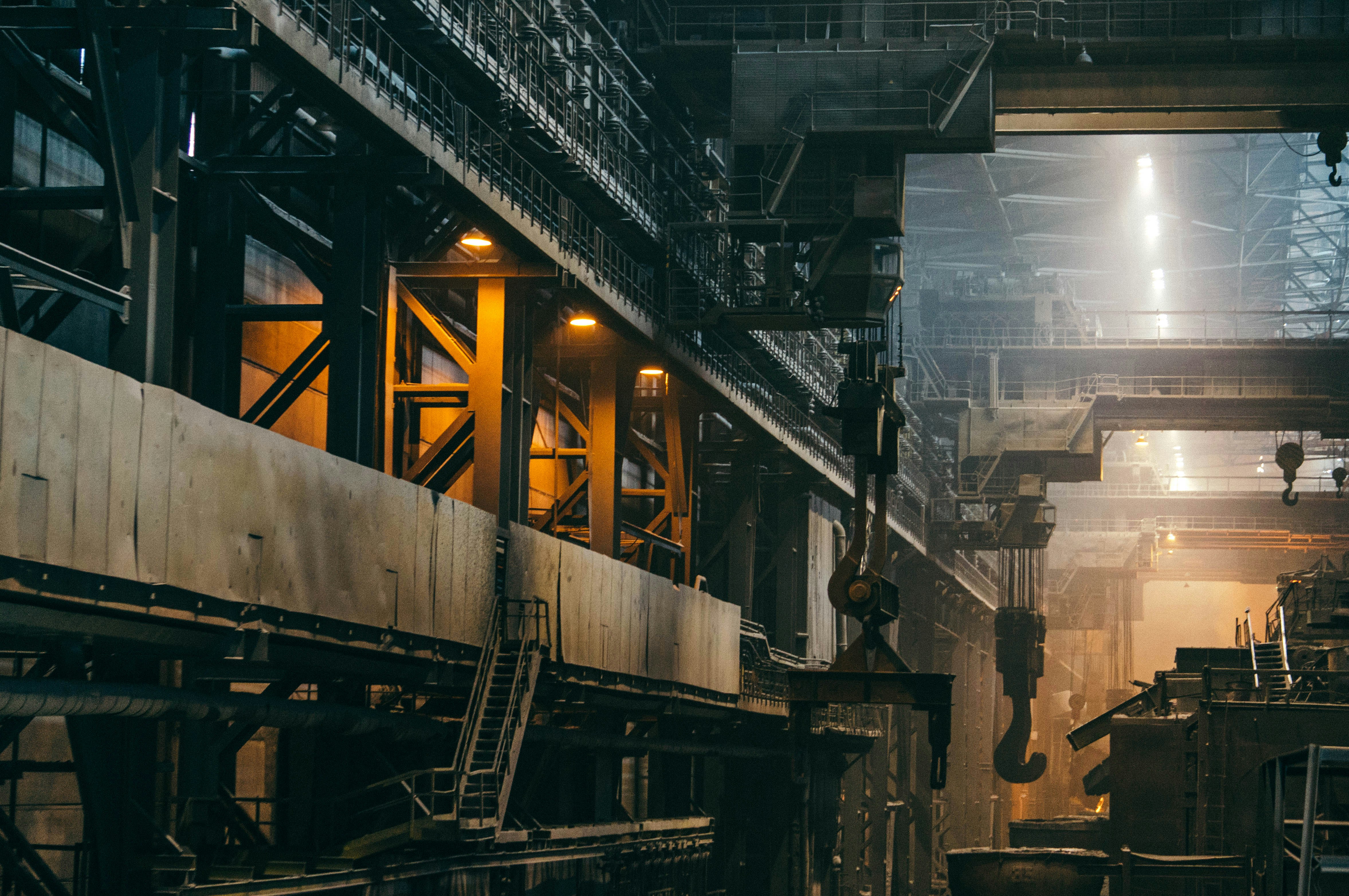
One of the most important applications of magnesium oxide is the production of refractory materials. Refractories are heat-resistant materials used to line furnaces, kilns, reactors and other industrial equipment.
Use in Refractory Bricks
Dead-burned and fused magnesia are major raw materials in the production of magnesia-based refractory bricks. These products are designed to withstand high temperatures and demanding chemical environments.
Magnesia bricks are commonly used in:
Steelmaking furnaces
Basic oxygen furnaces
Electric arc furnaces
Cement rotary kilns
Glass manufacturing furnaces
Non-ferrous metal processing equipment
Their high-temperature stability and resistance to basic slags make them valuable in industries where conventional lining materials may not provide adequate performance.
Importance in Steel Manufacturing
Steel production is a major market for refractory magnesia. Furnace linings must withstand high temperatures, molten steel, slag and repeated thermal cycling.
Magnesia-based refractories are used in selected furnace zones because of their compatibility with basic steelmaking slags. Their performance contributes to equipment protection, operational reliability and refractory service life.
2. Applications in Cement and Lime Kilns
Cement and lime manufacturing involve high-temperature processing operations. Rotary kilns and related equipment require refractory linings capable of withstanding thermal stress, chemical reactions and abrasive conditions.
Magnesia-based refractory materials are used in selected kiln zones, depending on operating temperatures, process chemistry and the properties of the materials being processed.
Their role is to protect kiln structures and support continuous industrial operations.
3. Magnesium Oxide in Construction Materials
Magnesium oxide is also used in construction, particularly in magnesium-based cement systems and specialised building products.
Magnesium Oxychloride Cement
Magnesium oxychloride cement is produced by combining reactive magnesium oxide with magnesium chloride solution and other formulation components.
It is used in certain flooring products, panels and specialised construction applications. Depending on its formulation, it can provide useful hardness, bonding and fire-related performance characteristics.
Magnesium Oxysulfate Cement
Magnesium oxysulfate cement is another magnesium-based binder system. It is produced using magnesium oxide and magnesium sulfate, with formulation additives selected to control its properties.
It has been investigated and used in selected construction products, including boards and panels. Its performance depends on formulation, curing conditions and exposure to moisture.
Magnesium Oxide Boards
Magnesium oxide boards, commonly called MgO boards, are used in selected interior and exterior construction applications. They may serve as wall sheathing, ceiling panels, partition boards and substrates in building systems.
Depending on the manufacturer and formulation, these boards can offer fire resistance, dimensional stability and resistance to certain environmental conditions.
However, product performance varies significantly between manufacturers. Moisture exposure, chloride content, reinforcement and manufacturing quality can influence durability. Buyers should review independent testing and relevant building standards before specifying MgO boards. <Link ref="turn750439search6" title="International Code Council – Magnesium Oxide Board Standards"/>.
4. Environmental and Wastewater Treatment
Caustic-calcined magnesia is used in selected environmental applications, including industrial wastewater treatment and air pollution control.
Its alkaline properties allow it to neutralise acidic streams and support the treatment of certain industrial effluents. Magnesium-based compounds can also be used in processes designed to remove selected contaminants.
Other applications include:
Neutralisation of acidic wastewater
Treatment of selected industrial effluents
Removal of certain heavy metals
Sulfur dioxide control in industrial emissions
Treatment of selected waste streams
The exact application depends on the chemical composition of the wastewater or gas stream and the required treatment performance. <Link ref="turn750439search1" title="Essential Minerals Association – Magnesia Applications"/>.
5. Other Industrial Applications
Beyond refractories and construction, magnesium oxide is used in several other industrial sectors.
Chemical Manufacturing
MgO is used as a basic chemical in selected manufacturing processes. It can act as a neutralising agent, processing aid and raw material in the production of other magnesium compounds.
Agriculture and Animal Feed
Caustic-calcined magnesia is used in certain agricultural products and animal-feed formulations as a magnesium source. Magnesium is an essential nutrient for plant and animal health.
Rubber and Polymer Manufacturing
Magnesium oxide is used in selected rubber formulations as an additive and processing ingredient. Its function depends on the polymer system and manufacturing requirements.
Oil and Gas Operations
Certain magnesium oxide grades are used in oilfield applications, including selected drilling-fluid formulations and related industrial processes.
Factors to Consider When Selecting Magnesium Oxide
Selecting the correct MgO grade is important because refractory and construction applications require different material properties.
Manufacturers and procurement teams should evaluate:
MgO content: Confirm that the material meets the required chemical composition.
Purity: Check levels of impurities such as silica, calcium oxide and iron oxide.
Reactivity: Select the appropriate grade for the intended chemical or construction process.
Particle size: Ensure compatibility with mixing, pressing and manufacturing equipment.
Bulk density: Important for refractory production and material performance.
Thermal properties: Evaluate requirements for high-temperature industrial applications.
Moisture content: Check storage and product specifications.
Supplier consistency: Review batch documentation, certificates of analysis and delivery reliability.
For refractory applications, impurity levels and high-temperature performance are particularly important. For construction products, reactivity, formulation compatibility and moisture-related performance also require attention.
Safety, Storage and Handling Considerations
Magnesium oxide is generally handled as a solid industrial powder. However, dust generated during unloading, mixing and processing may irritate the eyes and respiratory system.
Industrial facilities should implement appropriate handling and storage procedures.
Important precautions include:
Store MgO in dry, well-ventilated conditions.
Keep bags and containers sealed when not in use.
Use dust-control systems during transfer and mixing.
Wear suitable protective gloves, safety glasses and respiratory protection where required.
Avoid unnecessary dust generation.
Follow the supplier's Safety Data Sheet (SDS) and workplace safety procedures.
Industrial Outlook and Supply Chain Importance
Magnesium oxide remains an important industrial mineral compound, particularly for the steel, cement, glass and construction industries. Its use in refractory materials connects its demand closely with high-temperature manufacturing operations.
According to the U.S. Geological Survey, magnesium compounds are used mainly in refractory furnace linings for producing iron and steel, non-ferrous metals, glass and cement. The organisation also identifies applications across chemical and construction industries. <Link ref="turn750439search0" title="U.S. Geological Survey – Magnesium Compounds Statistics and Information"/>.
The supply chain includes natural magnesite, seawater and magnesium-rich brines as sources of magnesium compounds. Production methods, energy requirements, raw-material availability and international trade can influence supply and procurement conditions.
For manufacturers, selecting the appropriate magnesia grade and maintaining consistent quality are essential for refractory performance, construction-product reliability and production efficiency.
Sources:
Magnesium Hydroxide
Found this useful?