Food Chemical Price Volatility: Raw Materials, Energy Costs and Supply Risks
Food chemical price volatility has become an important concern for food manufacturers, ingredient distributors and procurement teams. Changes in the cost of raw materials, energy, transportation and industrial production can influence the prices of food additives, preservatives, emulsifiers, stabilizers and other essential ingredients. These changes affect purchasing budgets, production costs and the ability of manufacturers to maintain consistent product pricing.
Food-grade chemicals often depend on complex international supply chains. A manufacturer may source raw materials from one country, process them in another and distribute finished ingredients to customers across several markets. Disruptions at any stage can increase costs or limit availability.
Understanding the factors behind food chemical price movements helps buyers make better sourcing decisions. By monitoring market conditions, evaluating suppliers and developing flexible procurement strategies, businesses can reduce exposure to sudden cost increases and maintain more reliable ingredient supplies.
5. Main Factors Driving Food Chemical Price Volatility
Food chemical prices rarely depend on a single cost factor. Manufacturers consider several inputs when setting prices, including raw material availability, production expenses, energy consumption and logistics.
Raw Material Availability and Feedstock Costs
Many food chemicals rely on agricultural, mineral or petrochemical feedstocks. Citric acid production, for example, depends on fermentation inputs such as carbohydrate-based raw materials. Other ingredients may rely on vegetable oils, starches, natural extracts, minerals or chemical intermediates.
When the cost of these inputs increases, manufacturers may face higher production expenses. Limited availability can create additional pressure, particularly when several producers depend on the same raw material source.
Supply and Demand Imbalances
Changes in demand can also influence market prices. A rise in demand from food processing, beverage production or pharmaceutical applications may increase competition for certain ingredients.
If manufacturers cannot expand production quickly, available supply may become tighter. Conversely, excess production capacity or weaker downstream demand can place downward pressure on prices.
Production Capacity and Maintenance
Factory shutdowns, equipment maintenance and unexpected operational problems can reduce the availability of food-grade chemicals. If several major producers experience disruptions at the same time, buyers may face longer lead times and higher replacement costs.
6. How Energy Costs Influence Food Chemical Manufacturing
Energy is a major operating expense across the chemical and food ingredient industries. Manufacturing facilities use electricity, natural gas, steam and other energy sources to operate equipment, maintain temperatures, process materials and package finished products.
Energy-intensive production processes can become particularly sensitive to changes in fuel and electricity prices. Fermentation, evaporation, drying, purification and chemical processing all require energy, although the amount varies considerably by product and manufacturing method.
Electricity and Natural Gas Expenses
Higher electricity prices increase the cost of operating pumps, compressors, cooling systems and production machinery. Natural gas price increases can affect facilities that use gas for heating, steam generation or other industrial processes.
Manufacturers may pass part of these additional expenses to distributors and buyers. The effect can vary between regions because energy prices, infrastructure and manufacturing efficiency differ across production locations.
Energy Costs and Regional Competitiveness
Manufacturers operating in regions with relatively expensive energy may face higher production costs than competitors with access to more affordable fuel and electricity. This difference can influence international sourcing decisions.
The International Energy Agency identifies energy prices, raw material access and industrial efficiency as important factors affecting manufacturing competitiveness. Energy-intensive industries remain particularly exposed to energy price fluctuations.
7. Freight, Logistics and International Trade Risks
Food chemical prices also reflect the cost of moving ingredients between manufacturers, distributors and buyers. International supply chains often involve shipping containers, road transportation, port handling, customs clearance and warehouse storage.
Freight costs can increase when shipping capacity becomes limited, fuel prices rise or major trade routes experience disruption. Delays may also force buyers to arrange alternative transportation or hold larger inventories.
Shipping Disruptions and Delivery Delays
Geopolitical tensions, port congestion, severe weather and changes in shipping routes can affect the movement of food-grade chemicals. When vessels take longer routes or ports experience delays, transportation expenses and delivery times may increase.
These problems can be especially challenging for import-dependent markets. Buyers may have limited access to alternative suppliers if the required ingredient comes from a small number of production regions.
Currency Fluctuations and Import Costs
Exchange rate movements can change the local purchasing cost of imported food chemicals. Even when the international supplier maintains the same quoted price, a weaker importing-country currency can increase the buyer's total expenditure.
Importers should therefore evaluate more than the supplier's product price. Freight, insurance, customs duties, handling charges and currency conversion all contribute to the final landed cost.
8. Supply Risks Affecting Food Chemical Availability
Price volatility and supply availability are closely connected. A product may become more expensive because production has declined, transportation has become difficult or buyers are competing for limited stocks.
Dependence on a Limited Number of Suppliers
Some food-grade chemicals have concentrated production bases. When buyers depend on one manufacturer or one exporting country, they become more exposed to production interruptions, trade restrictions and regional disruptions.
A shortage from a major production location can affect several downstream markets. Buyers may then need to qualify alternative suppliers, which can require additional testing and documentation.
Quality and Regulatory Requirements
Food-grade ingredients must meet relevant food safety and quality requirements. Buyers cannot always replace an ingredient with a cheaper alternative without checking its specifications, permitted applications and regulatory status.
Supplier changes may require updated technical documents, certificates of analysis, food safety information and application testing. These requirements can slow purchasing decisions when the original supply becomes unavailable.
Inventory and Production Planning
Insufficient inventory can expose manufacturers to urgent purchasing at unfavourable prices. However, excessive stock also creates financial pressure through storage expenses, working capital requirements and potential product deterioration.
Businesses need inventory policies that reflect ingredient shelf life, consumption rates, lead times and market conditions.
9. Strategies for Managing Food Chemical Price Volatility
Food manufacturers and distributors cannot control global commodity markets, but they can improve their ability to respond to changing prices. Effective procurement planning combines supplier diversification, market monitoring, inventory control and commercial flexibility.
Diversify Supplier Relationships
Buyers should avoid depending entirely on one supplier when suitable alternatives exist. Developing relationships with multiple qualified manufacturers or distributors can improve purchasing flexibility during shortages.
However, supplier diversification should not compromise product quality. Every alternative source must meet the required food-grade specifications and applicable regulatory requirements.
Use Long-Term Supply Agreements
Long-term contracts can help buyers secure predictable supply volumes and establish clearer commercial terms. Depending on the agreement, suppliers and customers may use fixed prices, scheduled price reviews or formulas linked to specific input costs.
Contracts should clearly define quality specifications, delivery schedules, order quantities, payment terms and procedures for handling unexpected cost changes. Buyers should also review how suppliers communicate price revisions.
Monitor Market and Cost Indicators
Procurement teams should monitor the factors most relevant to their ingredient categories. These may include agricultural commodity prices, energy costs, exchange rates, freight charges and supplier announcements.
Market monitoring helps buyers identify potential cost pressures earlier. It also provides useful information during supplier negotiations and budget planning.
Improve Inventory Management
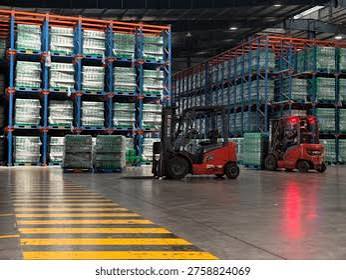
A well-planned inventory strategy can reduce the need for emergency purchases. Buyers should calculate safety stock based on demand patterns, replenishment lead times and the criticality of each ingredient.
For products with long shelf lives and stable consumption, strategic purchasing may help manage cost exposure. For ingredients with shorter shelf lives or strict storage requirements, smaller and more frequent orders may be more suitable.
10. What Food Ingredient Buyers Should Evaluate Before Purchasing
Comparing supplier quotations requires more than checking the price per kilogram or metric tonne. Buyers should evaluate the complete commercial and technical offer.
Total Landed Cost
The total landed cost includes the product price and all expenses required to receive the ingredient at the intended destination. These may include freight, insurance, import duties, customs clearance, handling and local transportation.
A supplier with a lower quoted price may not offer the most economical option after these additional costs are included.
Product Quality and Documentation
Buyers should confirm that the supplier can provide the required grade, purity, specifications and supporting documents. Depending on the ingredient and market, relevant documents may include a certificate of analysis, safety data sheet, specification sheet and applicable food safety certifications.
Consistent quality is essential because changes in ingredient performance can affect production efficiency and finished product characteristics.
Supplier Reliability and Delivery Performance
A competitive price has limited value if the supplier cannot deliver the required quantity on schedule. Buyers should review production capacity, export experience, communication standards and historical delivery performance.
Reliable suppliers can help manufacturers plan production more effectively and reduce the risk of unexpected purchasing costs.
11. Building a Resilient Food Chemical Procurement Strategy
Food chemical price volatility reflects the combined influence of raw material markets, energy expenses, transportation costs and international supply conditions. These factors can affect both the price and availability of ingredients used in food processing.
Manufacturers and distributors can manage these challenges by developing qualified supplier networks, monitoring relevant market indicators and evaluating total landed costs. Long-term supply agreements and appropriate inventory policies can also improve purchasing stability.
The most effective procurement strategy balances cost, quality and supply reliability. Rather than selecting suppliers solely on the basis of the lowest quotation, buyers should consider their ability to maintain consistent specifications, meet delivery commitments and respond to changing market conditions.
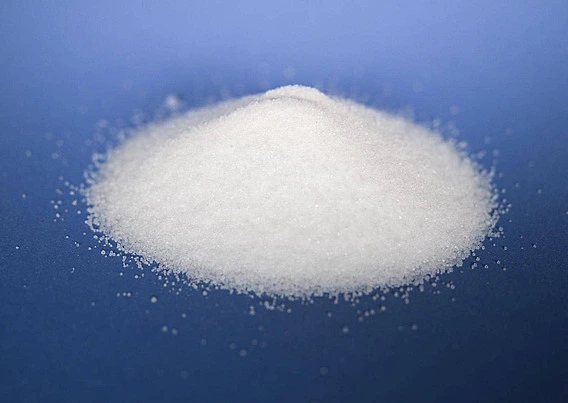
Citric Acid Monohydrate (E330)
Found this useful?