Global Petrochemical Trade: Major Exporting Countries and Emerging Markets
The global petrochemical industry plays a major role in international manufacturing and trade. Petrochemicals are essential raw materials used to produce plastics, synthetic fibers, packaging materials, fertilizers, detergents, automotive components, construction products, and countless everyday goods.
International petrochemical trade connects resource-rich producers with manufacturing economies that depend on imported feedstocks, polymers, and chemical intermediates. Countries such as the United States, Saudi Arabia, China, South Korea, Germany, and Singapore participate in major export flows, while emerging markets in South and Southeast Asia, Latin America, and Africa are creating additional demand.
The global trade landscape is also changing. New production capacity, shifting feedstock costs, infrastructure investment, environmental regulations, and geopolitical developments are influencing where petrochemicals are produced and where they are sold.
According to UNCTAD, global exports of plastics reached approximately $1.12 trillion in 2024, highlighting the scale of international trade in plastic materials and products.
Major Petrochemical Exporting Countries
Export leadership varies depending on the product category. Ethylene, polyethylene, polypropylene, methanol, aromatics, and other petrochemical products have different production bases and trade routes. However, several countries remain important suppliers across international markets.
1. United States
The United States is a major petrochemical producer and exporter, supported by access to natural gas liquids and an established industrial infrastructure. Its shale gas resources provide an important feedstock advantage for ethylene and polyethylene production.
US producers supply polyethylene, ethylene derivatives, and other chemical products to markets across Asia, Latin America, and Europe. Its export position is particularly significant in polyethylene, where competitive feedstock economics support large-scale production.
2. Saudi Arabia
Saudi Arabia is one of the most influential petrochemical exporters in the Middle East. Its access to hydrocarbon resources, large industrial complexes, and established export infrastructure supports production of polyethylene, polypropylene, and other chemical products.
The country is an especially important supplier of polypropylene. World Bank WITS data shows that Saudi Arabia exported approximately $4.76 billion of polypropylene in primary forms in 2025, making it the leading exporter in that product category.
3. China
China is both a major petrochemical producer and a significant international trading participant. Its large manufacturing base creates substantial demand for chemical feedstocks, intermediates, and polymers.
Although China has expanded domestic petrochemical capacity, it continues to import important raw materials and feedstocks. At the same time, it exports products such as polypropylene and other plastic materials. In 2025, China ranked among the leading polypropylene exporters, with exports valued at approximately $2.74 billion.
4. South Korea
South Korea has an established petrochemical industry supported by integrated refining and chemical production facilities. Its exporters supply ethylene, polymers, and other chemical products to customers in China, Southeast Asia, and other international markets.
World Bank WITS trade data identifies South Korea as the leading ethylene exporter in 2025, with exports valued at approximately $1.60 billion.
5. Germany and Other European Producers
Germany, Belgium, and the Netherlands are important European hubs for chemical manufacturing and international distribution. Their industrial clusters, ports, transport networks, and access to regional customers support trade in polymers, intermediates, and specialty chemicals.
However, European producers face competitive pressures from energy costs, imported feedstocks, and international capacity expansion. The region's dependence on external feedstock supplies can also increase exposure to market disruptions
Major Petrochemical Exporting Countries at a Glance
The following examples illustrate the export strength of selected countries in specific petrochemical and polymer categories.
Country | Important export products or strengths |
|---|---|
United States | Polyethylene, ethylene derivatives, chemical intermediates |
Saudi Arabia | Polypropylene, polyethylene, petrochemical derivatives |
China | Polypropylene, plastics, chemical intermediates |
South Korea | Ethylene, polypropylene, polymers |
Germany | Polymers, specialty chemicals, industrial intermediates |
Singapore | Petrochemical intermediates and polymer products |
Belgium and Netherlands | Chemical intermediates, polymers, distribution and re-export |
Note: This is an industry overview, not a single ranking of all petrochemical exports. Product categories and reporting years differ.
Emerging Markets Reshaping Global Petrochemical Trade
Demand growth is not limited to traditional industrial economies. Developing markets are expanding their manufacturing capacity, infrastructure, packaging industries, and consumer markets. These developments are creating new opportunities for petrochemical producers and international suppliers.
1. India
India is an important growth market for petrochemicals due to its expanding population, manufacturing activity, construction sector, and packaging demand.
The country's industries require polyethylene, polypropylene, synthetic fibers, and chemical intermediates for applications in agriculture, automotive manufacturing, textiles, and consumer goods.
India is also investing in domestic refining and petrochemical capacity. However, imports remain important for products where local production does not fully meet demand.
2. Vietnam
Vietnam is becoming an increasingly important destination for petrochemical and polymer suppliers. Its expanding manufacturing sector supports demand for plastics, packaging materials, synthetic textiles, and industrial chemicals.
Export-oriented industries, electronics manufacturing, consumer goods, and construction activity are contributing to the country's demand for imported chemical materials.
3. Indonesia
Indonesia offers opportunities for petrochemical suppliers because of its large consumer market and growing manufacturing base. Packaging, automotive components, construction materials, and household products all depend on petrochemical inputs.
The country is also working to strengthen its domestic petrochemical industry, creating opportunities for investment, technology partnerships, and trade in raw materials and finished chemical products.
4. Brazil
Brazil is a major Latin American market for polymers and industrial chemicals. Its agriculture, food packaging, automotive, construction, and consumer goods industries generate demand for a wide range of petrochemical materials.
Domestic production is important, but imports also contribute to supply, particularly when local availability, pricing, or product specifications do not meet buyer requirements.
5. Türkiye
Türkiye occupies an important trading position between Europe, Asia, and the Middle East. Its plastics processing, automotive, textiles, packaging, and construction sectors support demand for imported petrochemical products.
Its geographic location also makes it a relevant distribution and trading market for regional chemical suppliers.
6. African Markets
Several African economies are developing opportunities in plastics processing, packaging, construction, and manufacturing. Countries such as Egypt, Morocco, Nigeria, and South Africa have industrial sectors that require polymers and chemical inputs.
Growth in infrastructure, consumer products, agriculture, and local manufacturing could increase demand for imported petrochemicals. However, port capacity, logistics costs, financing, and domestic industrial infrastructure remain important factors affecting market development.
What Is Driving Changes in Global Petrochemical Trade?
Several factors are influencing international petrochemical supply chains and creating new trading opportunities.
1. Feedstock Availability and Production Costs
Access to affordable natural gas, ethane, naphtha, and other feedstocks plays an important role in determining production competitiveness. The United States benefits from abundant natural gas liquids, while Middle Eastern producers have historically benefited from access to hydrocarbon resources.
2. Expansion of Production Capacity
New petrochemical plants and capacity expansions are changing global supply patterns. Producers are competing to serve international markets, while countries with growing domestic demand are also investing in local production.
3. Growing Demand for Plastics and Packaging
Food packaging, consumer goods, healthcare products, construction materials, and automotive applications continue to create demand for polymers. These industries support international trade in polyethylene, polypropylene, and other plastic materials.
4. Geopolitical Developments and Shipping Disruptions
Trade restrictions, regional conflicts, shipping delays, and changes in energy supply can affect petrochemical prices and delivery schedules. For example, ICIS has highlighted the importance of Middle Eastern petrochemical exports to Asian and European markets, as well as the potential for supply disruptions to redirect trade flows.
5. Sustainability and Recycling Requirements
Environmental regulations and growing interest in circular materials are influencing investment and procurement decisions. Manufacturers are increasingly evaluating recycled polymers, bio-based alternatives, and lower-carbon production technologies alongside conventional petrochemical materials.
Opportunities for International Petrochemical Suppliers
Changing trade patterns create opportunities for producers, distributors, and chemical trading companies.
Expanding Asian markets: India, Vietnam, and Indonesia offer opportunities for suppliers of polymers and chemical intermediates.
Regional distribution: Türkiye, Singapore, and the Netherlands can support distribution across multiple markets.
Growing African demand: Developing manufacturing and packaging industries create potential opportunities for polymer suppliers.
Specialty chemical trade: Buyers are seeking materials that meet specific industrial performance and quality requirements.
Supply diversification: Manufacturers may seek alternative suppliers to reduce dependence on a single country or trading route.
For suppliers, understanding local demand, import requirements, product specifications, and logistics costs is essential when entering new markets.
Challenges Facing the Global Petrochemical Trade
Despite the opportunities, international petrochemical trading involves several challenges:
Price volatility: Changes in crude oil, natural gas, and feedstock prices affect production costs and product prices.
Oversupply: New production capacity can create competition and put pressure on profit margins.
Trade barriers: Tariffs, sanctions, customs requirements, and changing trade policies can affect market access.
Logistics costs: Freight rates, shipping availability, and port congestion influence landed costs.
Regulatory compliance: Chemical registration, product documentation, environmental standards, and import regulations vary across countries.
Sustainability pressures: Producers face growing expectations to reduce emissions, improve resource efficiency, and develop circular production models.
Outlook for Global Petrochemical Trade
Global petrochemical trade is likely to remain influenced by the balance between production capacity, feedstock economics, manufacturing demand, and international trade conditions. Established exporters such as the United States, Saudi Arabia, South Korea, and European producers will continue to play important roles, while China remains a major production and consumption center.
At the same time, India, Southeast Asia, Latin America, and selected African economies offer opportunities for future market development. Their manufacturing expansion and demand for packaging, construction materials, and consumer products could support additional trade in petrochemical feedstocks and finished products.
For exporters and distributors, the key will be identifying markets with sustainable demand, competitive logistics, and reliable payment and regulatory systems. Businesses that diversify supply sources and understand regional requirements will be better positioned to respond to changes in the global petrochemical market.
https://www.piie.com/sites/default/files/2026-03/wp26-4.pdf?
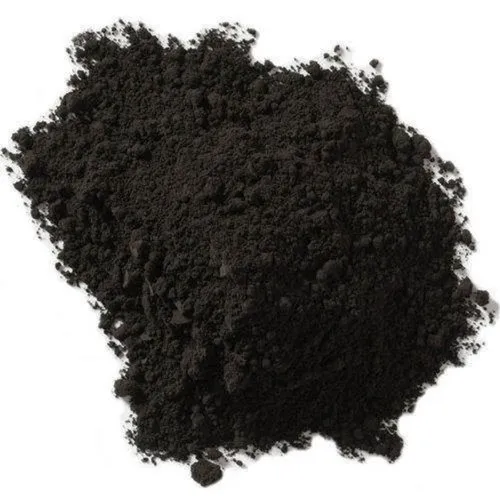
Activated Carbon (Granular) - India
Found this useful?