
Antimicrobial Food Packaging: Materials and Applications
Antimicrobial food packaging is gaining attention as food manufacturers seek practical ways to manage spoilage, maintain product quality and improve preservation during storage and transportation. Unlike conventional packaging, which mainly creates a physical barrier, antimicrobial packaging incorporates functional materials that help inhibit or control selected microorganisms.
For chemical traders, packaging manufacturers, importers and procurement managers, this technology creates opportunities across polymers, functional additives, coatings and food-contact materials. Selecting the right solution requires careful evaluation of antimicrobial performance, material compatibility, regulatory requirements and total sourcing costs.
What Is Antimicrobial Food Packaging?
Antimicrobial food packaging refers to packaging systems designed to slow or inhibit the growth of selected microorganisms on food surfaces or within the packaging environment. Manufacturers can incorporate antimicrobial agents into polymers, apply them as surface coatings or use controlled-release technologies.
These systems aim to support food quality and reduce microbial deterioration under suitable storage conditions. They complement hygiene practices, temperature control and established food safety procedures rather than replacing them.
Contact-Active Packaging
Contact-active packaging contains antimicrobial components that act when susceptible microorganisms come into contact with the packaging surface. This approach can be useful when manufacturers want to concentrate antimicrobial activity at the food-packaging interface.
Performance depends on the active ingredient, surface properties, food composition and contact conditions. Manufacturers must verify that the material delivers the intended effect without compromising packaging quality.
Releasing Antimicrobial Systems
Releasing systems gradually transfer an antimicrobial substance from the packaging into the surrounding environment or toward the food surface. Controlled release can help maintain an effective concentration over a defined period, depending on the formulation.
Buyers should assess release rates, ingredient migration, storage conditions and applicable food-contact requirements before selecting these systems.
Key Materials Used in Antimicrobial Food Packaging
Antimicrobial packaging combines structural materials with functional ingredients. The packaging substrate determines many physical properties, while the antimicrobial component provides the intended preservation function.
Polymer Films and Packaging Resins
Polyethylene (PE), polypropylene (PP) and polyethylene terephthalate (PET) are widely used packaging materials. Manufacturers can adapt suitable grades through functional additives, surface treatments or multilayer structures.
Polylactic acid (PLA) and other biodegradable polymers also attract interest in active packaging development. Their suitability depends on mechanical strength, moisture sensitivity, processing conditions and the performance of the finished packaging.
Organic Acids and Their Salts
Organic acids and selected salts can inhibit microbial growth in suitable applications. Sorbic acid and potassium sorbate, for example, have established uses in food preservation, although their suitability in a particular packaging system depends on formulation and regulatory conditions.
Procurement teams should verify purity, grade, specifications and intended use before purchasing these ingredients for packaging development.
Chitosan and Plant-Derived Compounds
Chitosan can form films and coatings with antimicrobial properties under suitable conditions. Its film-forming ability also makes it relevant to research into biodegradable packaging and edible coatings.
Essential oils and selected botanical extracts contain compounds that may inhibit certain microorganisms. However, strong aromas, volatility and potential effects on food flavour can limit their suitability for some products.
Silver-Based Materials and Biological Agents
Certain silver-containing materials demonstrate antimicrobial activity, while enzymes such as lysozyme and selected bacteriocins can target particular microorganisms. Their practical use depends on effectiveness, formulation stability, exposure considerations and applicable regulatory requirements.
Buyers should request evidence that the selected active ingredient works in the intended packaging format. General antimicrobial claims alone do not establish commercial suitability.
Applications of Antimicrobial Packaging Across Food Categories
Antimicrobial packaging applications vary according to food composition, moisture content, storage conditions and the microorganisms that may affect product quality. A material suitable for one category may not provide the same results in another.
Meat, Poultry and Seafood
Fresh meat and poultry can experience microbial deterioration during storage and distribution. Active films and coatings may help control selected spoilage organisms, but manufacturers must validate performance under the intended refrigeration and handling conditions.
Seafood packaging developers also investigate antimicrobial systems to manage microbial spoilage. Appropriate temperature control remains essential because packaging technology cannot compensate for poor refrigeration or unsafe handling.
Dairy Products and Bakery Goods
Selected antimicrobial coatings and films may help manage surface contamination in certain dairy applications, including cheese packaging. The formulation must suit the product's moisture content, storage requirements and sensory characteristics.
For bakery products, mould growth is a major cause of quality deterioration. Suitable active packaging systems may help control selected moulds and support product quality when manufacturers validate the technology for the specific baked product.
Fresh Produce and Ready-to-Eat Foods
Fresh fruits and vegetables may benefit from suitable antimicrobial coatings and functional films that support quality maintenance during distribution. Developers must also consider respiration, moisture transfer and the natural characteristics of each produce category.
Ready-to-eat foods require careful risk management because consumers may eat them without further cooking. Packaging decisions should reflect the product's specific hazards, intended shelf life and applicable food safety requirements.
Manufacturing Methods and Performance Testing
Manufacturers can introduce antimicrobial functionality at several stages of packaging production. The chosen method influences ingredient distribution, processing costs and the physical properties of the finished material.
Common Production Methods
Melt compounding: Manufacturers blend compatible antimicrobial additives with polymer resins before forming packaging films or components. They must assess heat stability and ingredient dispersion.
Surface coating: Producers apply antimicrobial formulations to existing films or other suitable packaging surfaces. This approach can provide targeted functionality without modifying the entire polymer structure.
Multilayer film production: Manufacturers incorporate functional components into selected layers to manage barrier performance, contact or controlled release. They must evaluate layer compatibility and migration.
Edible film formation: Food-compatible polymers or biopolymers form thin coatings on suitable food surfaces. Results depend on formulation, application thickness and storage conditions.
Tests Buyers Should Request
Technical qualification should cover antimicrobial efficacy, mechanical strength, sealing performance and barrier properties. Depending on the application, testing may also need to address migration, sensory effects and formulation stability.
Laboratory results do not always predict performance on a commercial production line. Buyers should request application-specific evidence and, where appropriate, conduct trials using the actual food product and packaging equipment.

Regulatory Requirements for Food-Contact Materials
Regulatory compliance is essential when sourcing antimicrobial packaging materials for domestic or international markets. Requirements depend on the active ingredient, intended function, potential migration into food and destination market.
United States Regulatory Considerations
In the United States, the Food and Drug Administration regulates relevant food-contact substances under applicable federal requirements. Depending on the substance and its intended use, businesses may need an applicable food additive regulation, an effective Food Contact Substance Notification or another recognised legal basis.
Suppliers should provide documentation supporting the intended use, including relevant restrictions and conditions of use.
European Union Regulatory Considerations
In the European Union, Regulation (EC) No 1935/2004 establishes the general framework for materials intended to come into contact with food. Regulation (EC) No 450/2009 specifically addresses active and intelligent materials and articles.
Businesses must determine which requirements apply to their packaging system and ensure that relevant safety, documentation and authorisation obligations are met.
Documentation for Importers and Exporters
Procurement teams should confirm the following before approving a material:
The active ingredient and packaging substrate are suitable for the intended application.
Relevant declarations of compliance and technical documents are available.
Migration and safety assessments address the intended food and conditions of use where required.
Restrictions involving concentration, temperature, contact duration and food categories are understood.
Product claims and labels meet applicable market requirements.
Approval for one application does not automatically authorise every other use. Buyers should verify the regulatory status of the specific material and formulation rather than relying on a general supplier statement.
Sourcing Risks and Supplier Evaluation
Antimicrobial packaging procurement involves more than finding a competitive price. Buyers must assess ingredient consistency, manufacturing quality, technical support and the supplier's ability to provide suitable documentation.
Common Procurement Challenges
Inconsistent formulations: Variations in additive concentration or dispersion can affect antimicrobial performance and packaging quality.
Incomplete documentation: Missing specifications, migration reports or regulatory declarations can delay qualification and shipment clearance.
Material incompatibility: Certain active ingredients may affect film strength, colour, odour, heat stability or sealing performance.
Supply interruptions: Specialised additives may have fewer qualified suppliers than conventional packaging resins, creating lead-time and availability risks.
Unsupported performance claims: General statements about antimicrobial activity do not prove effectiveness against the microorganisms relevant to a specific food.
How to Qualify a Supplier
Buyers should request technical data sheets, safety data sheets where applicable, certificates of analysis, batch traceability records and application-specific test reports. Regulatory documents should identify the actual product, intended use and relevant restrictions.
Procurement teams should also consider minimum order quantities, lead times, packaging requirements, storage conditions and supplier change-control procedures. Qualification batches and production trials can help identify problems before buyers commit to large commercial orders.
Sustainability and the Future of Active Packaging
Sustainability is an important consideration as food companies seek to reduce waste and improve material efficiency. Antimicrobial packaging may support food preservation in suitable applications, but its overall environmental value depends on the finished packaging and its actual performance.
Biodegradable Materials and Functional Coatings
Chitosan-based films, biodegradable polymers and selected plant-derived antimicrobial compounds offer potential options for particular applications. However, developers must assess durability, moisture resistance, production requirements and disposal conditions.
A bio-based ingredient does not automatically make the finished packaging biodegradable or recyclable. Buyers should evaluate the complete material system and verify environmental claims against relevant requirements.
Evaluating Environmental Performance
Procurement teams should consider whether packaging reduces food waste, uses materials efficiently and remains compatible with available recycling or disposal systems. They should also assess supply chain transparency and the consistency of ingredient sourcing.
Environmental performance should be evaluated alongside food safety, packaging functionality and total cost. This approach helps buyers avoid selecting materials that meet one sustainability objective but create problems elsewhere in the supply chain.
What Procurement Teams Should Prioritise
Antimicrobial food packaging offers opportunities for food manufacturers, packaging converters and chemical suppliers. Successful purchasing depends on matching the material to the application, validating performance and confirming regulatory suitability.
A Practical Procurement Checklist
Define the application: Identify the food category, target microorganisms, packaging format and expected storage conditions.
Set performance criteria: Specify antimicrobial requirements alongside mechanical strength, barrier properties and sealing performance.
Verify regulatory suitability: Confirm that the active ingredient and finished packaging meet the requirements of the destination market.
Evaluate suppliers: Review product specifications, traceability, documentation, manufacturing capacity and technical support.
Calculate total cost: Include ingredient prices, processing changes, testing, compliance work and potential effects on food waste.
Conduct commercial trials: Validate the packaging with the actual product and production line before placing large-volume orders.
Chemical traders and importers can create value by supplying consistent ingredients with reliable documentation and technical support. Suppliers that understand application requirements and regulatory expectations can help customers move from development to commercial production more efficiently.
As antimicrobial packaging technology evolves, buyers should focus on proven performance, responsible material selection and qualified supply partners. A balanced procurement strategy can help businesses evaluate new preservation technologies while protecting product quality and meeting market requirements.
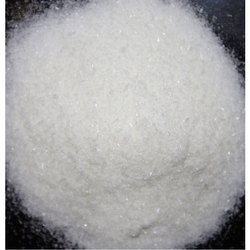
Sorbic Acid (E200)
Found this useful?