Aptar Grows Its Mumbai Plant to Make Inhaler and Nasal-Spray Components Locally
Aptar Grows Its Mumbai Plant to Make Inhaler and Nasal-Spray Components Locally
Aptar Pharma is expanding its manufacturing operations in Mumbai, India, adding local production of several pharmaceutical drug-delivery technologies used in inhalation and nasal applications. The expansion includes pressurized metered dose inhaler (pMDI) valves, breath-actuated inhalation systems and multidose nasal spray systems.
Announced on October 8, 2026, the investment increases Aptar's manufacturing footprint in Mumbai to 11,300 square metres and adds molding capabilities to the site's existing assembly operations. The company says the expansion will strengthen its ability to serve pharmaceutical customers in India and Southeast Asia with greater supply-chain agility, reliability and proximity.
Aptar Expands Local Pharmaceutical Manufacturing
The manufacturing scope now includes:
Pressurized metered dose inhaler (pMDI) valves
Breath-actuated inhalation systems
Multidose nasal spray systems
Molding capabilities alongside existing assembly operations
These components are used in drug-delivery systems for inhaled and nasal medicines. Aptar's broader pharmaceutical portfolio includes metered-dose inhaler valves and multidose and unidose nasal delivery systems.
Mumbai Footprint Reaches 11,300 Square Metres
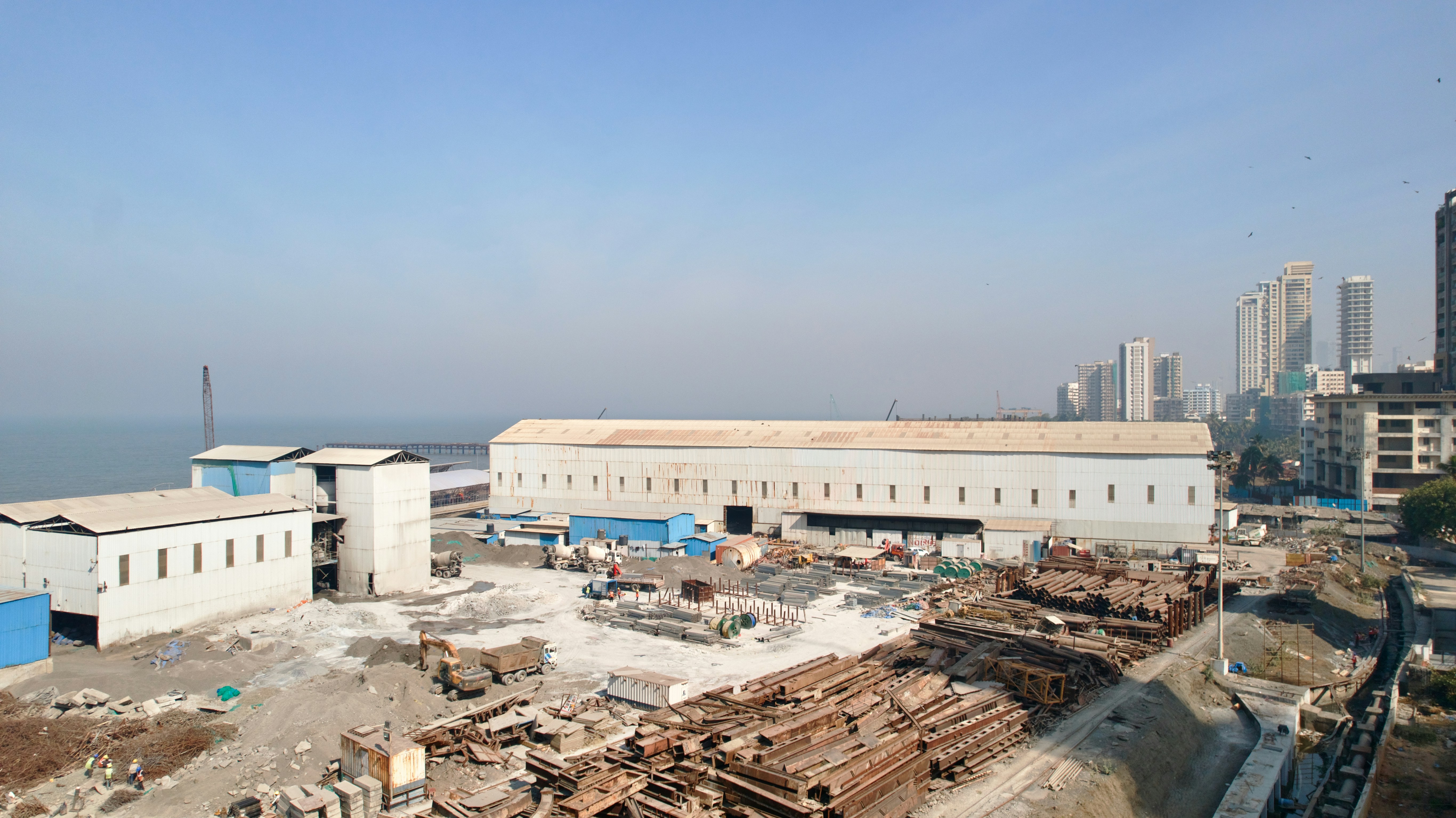
The latest expansion increases Aptar's manufacturing footprint in Mumbai to 11,300 square metres. The site combines existing assembly activities with new molding capabilities, allowing the company to carry out a broader range of manufacturing activities locally.
The development builds on Aptar's long-term presence in India. The company established its commercial presence in Mumbai in 1998 and opened its first local assembly facility in Rabale in 2012.
Aptar subsequently expanded its Indian manufacturing network with a Hyderabad facility in 2020 and a pharmaceutical manufacturing site in Taloja in 2023.
Expansion Supports Inhaler and Nasal Drug Delivery
A major element of the expansion is the local production of pMDI valves and breath-actuated inhalation systems.
pMDIs are widely used to deliver medication through inhalation, while breath-actuated systems are designed to coordinate drug delivery with the patient's inhalation. Multidose nasal spray systems allow repeated administration from a single container.
Aptar's expansion therefore strengthens its ability to manufacture components used in drug-delivery systems closer to pharmaceutical customers in the region.
The company has previously highlighted inhaled and nasal delivery as key areas of its pharmaceutical business, with solutions spanning metered-dose inhalers, multidose nasal sprays, unidose systems and other drug-delivery technologies.
Localization Strategy Strengthens Regional Supply Chains
Aptar said the investment reflects its long-term commitment to India as a strategic growth market.
Gael Touya, Aptar's President and CEO, said the investment is intended to create a more agile and resilient manufacturing network closer to customers. The company also expects the expanded operation to improve its ability to support customers across India and Southeast Asia.
The strategy builds on Aptar's earlier localization efforts. When the new Taloja facility opened in 2023, the company described the investment as part of its localization strategy and a response to growing customer demand in Southeast Asia. The facility initially provided 7,000 square metres of manufacturing space and received ISO 15378 certification.
India Becomes More Important to Aptar's Pharma Strategy
Aptar's growing manufacturing presence reflects the company's increasing focus on India's pharmaceutical market and the wider Southeast Asian region.
According to Aptar, factors including expanding healthcare access, investment in manufacturing and digital infrastructure, urbanization and rising disposable incomes are creating additional opportunities in India.
Sanjay Kapote, President India and Head of Pharma-SEA, said the expanded manufacturing base would allow Aptar to deepen its engagement with regional customers while providing a platform for sustainable growth.
The company has also previously identified India as an important pharmaceutical market and has expanded its local manufacturing capabilities in response to customer demand.
Expansion Adds More Local Manufacturing Capability
The latest investment is significant because it moves beyond assembly by adding molding capabilities to the Mumbai operation.
This gives Aptar greater control over the manufacturing process and allows a broader range of drug-delivery components to be produced locally. For pharmaceutical customers, a stronger local manufacturing base can support shorter supply chains, greater responsiveness and improved supply continuity.
Aptar has not disclosed specific production volumes or output targets for the expanded Mumbai capabilities in its latest announcement. The company has instead emphasized manufacturing flexibility, customer proximity and supply resilience.
Expanded Facility Supports Aptar's Global Manufacturing Network
The Mumbai operation is now positioned as an important part of Aptar Pharma's global manufacturing network.
The company has been expanding pharmaceutical manufacturing capabilities in several regions as demand for drug-delivery technologies develops. In India, the latest Mumbai investment builds on more than a decade of local manufacturing and expands the types of technologies that can be supplied from the country.
The expanded operations were formally inaugurated on October 5, 2026, with Aptar's Board Chairperson and members of its Executive Committee attending the ceremony.
Sources:

Ammonium Nitrate
Found this useful?