Turning Caribbean Sargassum Into a Value Chain: The Dominican Republic’s €5.6 Million Initiative
Caribbean sargassum is moving beyond the shoreline clean-up problem and into the early stages of a commercial resource industry. A €5.6 million package led by the European Investment Bank (EIB), the European Commission and Banco ADOPEM will support businesses in the Dominican Republic as they develop the collection, transport, storage and processing activities needed to build a sustainable sargassum value chain.
The initiative offers a potential new source of business activity for coastal communities while creating opportunities for companies working in biomass handling, environmental services and bio-based materials. Its success will depend on whether local businesses can turn seasonal seaweed influxes into reliably collected, safely handled and commercially useful raw materials.
How the €5.6 Million Sargassum Package Works
The financing combines business lending with technical assistance, addressing two barriers that often prevent emerging environmental industries from scaling: access to capital and a lack of project development expertise.
The package contains two components:
€4.5 million in financing: EIB Global will provide a loan to Banco ADOPEM, backed by a guarantee under the European Commission’s EFSD+ framework. The financing targets small and medium-sized enterprises (SMEs) and businesses with fewer than 10 employees involved in sargassum-related activities, subject to the relevant approval requirements.
€1.1 million in technical assistance: The European Commission, supported by EIB Advisory, will help businesses prepare viable projects, strengthen their operational capabilities and implement safe and sustainable practices.
Together, the two components aim to improve access to longer-term finance for smaller businesses that may struggle to secure conventional credit. They also provide support for turning promising ideas into projects that lenders can evaluate and businesses can operate commercially.
The agreement supports the European Union’s Global Gateway initiative, specifically its Turning the Tide programme for sustainable sargassum management and value chain development across the Caribbean Basin.
This approach matters because collection alone does not create a functioning industry. Businesses also need appropriate equipment, storage facilities, transport arrangements, technical expertise and prospective customers for the material they collect.
Why Caribbean Sargassum Needs a Commercial Solution
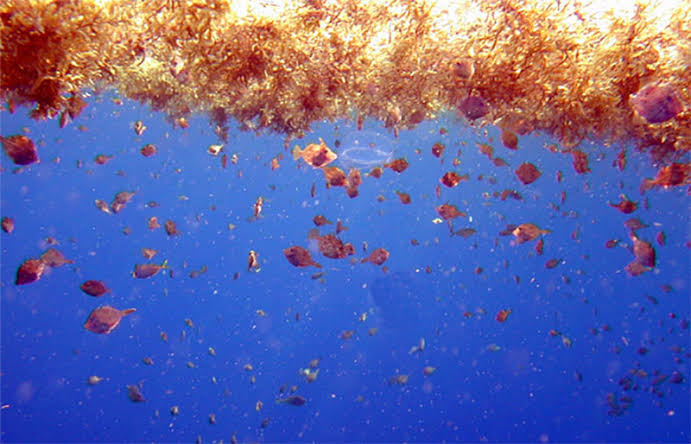
Sargassum is a type of floating brown seaweed that can accumulate in large quantities across the Caribbean. Although it forms part of marine ecosystems, extensive influxes can create serious challenges when the seaweed reaches coastal areas in large volumes.
Accumulations can disrupt tourism, affect fisheries and place pressure on coastal communities. Their management also requires resources from local authorities and businesses, particularly in areas where beaches and marine environments support important economic activities.
Traditional clean-up operations focus on removing the seaweed after it reaches the shore. A commercial value chain takes a broader approach by connecting collection with transport, storage, treatment and potential end uses.
This creates several possible economic benefits:
Local business development: Small enterprises can provide collection, logistics, drying and storage services.
Employment opportunities: Expanding operations can create work in coastal communities, including equipment handling, transport and processing.
New industrial inputs: Properly managed sargassum may provide biomass for selected agricultural, energy and material applications.
More organised coastal management: Commercial collection systems can complement public clean-up programmes and improve the handling of collected material.
However, converting sargassum into a marketable resource requires careful planning. Businesses must manage environmental impacts, handling risks and the technical challenges associated with variable biomass quality.
Where New Business Opportunities Could Emerge
The Dominican Republic’s financing programme focuses on activities that establish the foundations of a supply chain. These operations may appear less innovative than advanced bioproduct manufacturing, but they are essential to making larger processing projects viable.
Collection and coastal logistics represent an early opportunity. Businesses can support organised removal operations, coordinate transport and establish systems that move material from collection points to suitable storage or processing locations.
Drying and storage provide another potential business segment. Freshly collected seaweed contains substantial moisture, which affects its weight, transport requirements and storage conditions. Appropriate handling can help prepare the material for subsequent treatment while reducing problems associated with uncontrolled decomposition.
Pre-processing and transformation could create opportunities for more technically advanced businesses. Depending on the characteristics of the feedstock and the results of testing, processing operations may prepare sargassum for use in agricultural products, bio-based materials or other applications.
These opportunities are connected rather than independent. A processing company cannot maintain consistent production if its suppliers deliver irregular volumes of poorly handled biomass, while collection businesses may struggle to earn sustainable revenue without dependable downstream demand.
The financing package therefore targets the early links in the chain that can help future processing investments operate more reliably.
From Collected Seaweed to Marketable Products
The long-term commercial opportunity depends on finding uses that can absorb collected sargassum at a viable cost. The European Union’s wider programme identifies potential applications including biofuels, fertilisers, building materials and cosmetics.
Each application requires a different level of processing and quality control.
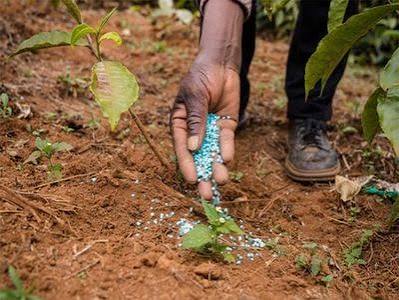
Agricultural products: Treated biomass may have potential in fertiliser or soil-improvement products, subject to composition testing and applicable safety requirements.
Biofuels and energy: Selected conversion technologies may transform suitable biomass into energy products, although commercial performance depends on feedstock quality, processing costs and energy requirements.
Building materials: Researchers and manufacturers can investigate whether treated seaweed components can contribute to suitable construction materials or composite products.
Cosmetics and specialty ingredients: Further extraction and purification may create opportunities for selected ingredients, provided that the material meets the required quality and safety standards.
These applications remain dependent on technical feasibility and market demand. A potential end use does not automatically translate into a profitable product, especially when the raw material varies in composition and arrives in seasonal surges.
For chemical traders and industrial buyers, the important distinction is between collected biomass and a specification-ready industrial input. Buyers need reliable information about composition, moisture, contaminants, processing methods and batch consistency before they can evaluate whether sargassum-derived material fits an established production process.
The Supply Chain Challenges Businesses Must Solve
Sargassum presents several operational challenges that conventional commodity supply chains do not always face. Its availability can vary by season and location, while its condition changes between collection and processing.
Businesses entering this market need to consider the following factors:
Feedstock consistency: Variations in moisture, mineral content and organic composition can affect processing efficiency and the suitability of the resulting material for different applications.
Collection and transport costs: Moving bulky, wet biomass can create substantial logistics expenses. Collection methods and transport distances will influence the economics of each operation.
Storage and deterioration: Poor storage practices can lead to decomposition, odours and other handling problems. Operators need suitable facilities and procedures for the material they receive.
Environmental safeguards: Collection, treatment and disposal activities must protect coastal ecosystems and comply with applicable environmental requirements.
Reliable buyers: Businesses need potential customers, agreed product specifications and credible demand forecasts before investing heavily in processing capacity.
The quality of the supply chain will influence whether sargassum-based products can compete with established alternatives. Low-cost collection may offer limited commercial value if drying, transportation, treatment and quality control consume most of the eventual selling price.
Technical assistance under the EIB-led package is intended to help businesses prepare viable projects and strengthen the safeguards needed across these activities.
What the Regional Collection Targets Mean for Industry
The Dominican Republic’s initiative forms part of a wider Caribbean effort to build commercial uses for collected sargassum. Regional ambitions call for the collection of 660,000 tonnes by 2027, including 150,000 tonnes in the Dominican Republic.
These targets point to the potential scale of the collection and processing challenge. Meeting them will require coordination among public authorities, local businesses, financing institutions, researchers and prospective industrial users.
The Dominican Republic’s share also creates a possible foundation for developing local service networks. Collection operators, transport providers, storage facilities and early-stage processors could become interconnected suppliers within a more structured market.
Yet collected tonnage is only one measure of progress. The sector must also establish how much biomass can be processed safely, how consistently it can meet customer requirements and whether the resulting products can generate sufficient revenue to cover operating expenses.
Regional cooperation could help businesses share technical knowledge and develop more consistent approaches to collection, testing and processing. It may also help potential buyers evaluate new materials across several markets rather than relying on isolated pilot projects.
What This Means for Chemical Traders and Industrial Buyers
Sargassum is not yet interchangeable with established industrial feedstocks simply because it contains organic material that could be processed into useful products. Its relevance to chemical trading will depend on the development of commercially viable derivatives with defined specifications and dependable supply.
For traders, importers and procurement managers, the emerging sector offers several areas to monitor:
Bio-based feedstock development: Track projects that demonstrate consistent quality, suitable processing methods and clear end-market applications.
Agricultural input innovation: Monitor suppliers developing tested sargassum-derived soil amendments or fertiliser products, particularly where product registration and contaminant controls are clear.
Materials and energy partnerships: Watch for pilot projects that establish measurable performance, realistic production costs and credible demand from industrial customers.
Supplier qualification: Assess technical documentation, batch traceability, handling procedures and environmental compliance before considering a new material for procurement.
Buyers should distinguish between a company that collects seaweed and one that can deliver a processed product to an industrial specification. The latter requires additional capabilities, including quality assurance, consistent production and dependable delivery arrangements.
For suppliers, the opportunity is to establish these capabilities early. Businesses that can demonstrate traceability, responsible handling and repeatable product quality will be better positioned to build commercial relationships as the value chain develops.
What Comes Next for the Dominican Republic’s Sargassum Market
The €5.6 million package provides a starting point for moving from emergency coastal clean-up toward a more organised system of collection, storage and commercial development. Its combination of finance and technical assistance addresses the practical needs of smaller businesses that could form the operating base of the emerging industry.
The next stage will depend on project execution. Businesses must convert financing into suitable equipment and operating capacity, while technical partners help them establish safe practices and identify commercially realistic opportunities.
The wider Turning the Tide initiative provides a framework for connecting these local projects with regional research, policy development and private-sector investment. Over time, successful projects could help establish clearer pathways from raw sargassum to processed materials with defined industrial uses.
For chemical traders and procurement teams, the immediate priority is to follow product development rather than assume that collected biomass already represents a standardised commodity. Verified specifications, credible production economics and consistent supply will determine which applications progress from early-stage projects to repeat commercial transactions.
Urea (Granular) - Egypt
Found this useful?