Arkema Brings New Hydrogen Production Capacity Online at Jarrie, France
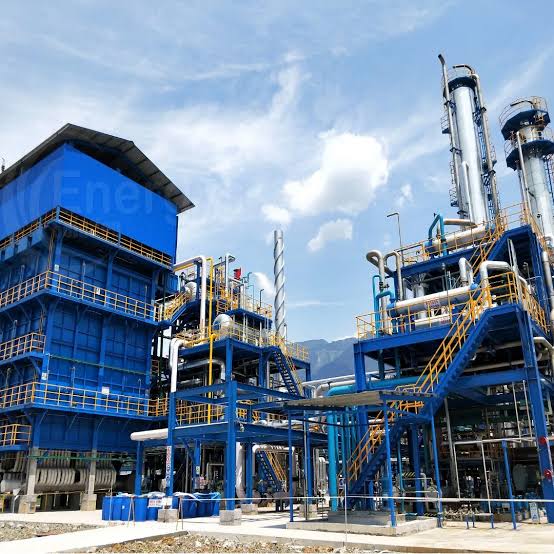
Arkema has brought a new hydrogen production unit online at its Jarrie site in France, marking a significant step in the site's ongoing transformation. The Arkema hydrogen unit represents an investment of €10 million and uses steam methane reforming, or SMR, technology to provide hydrogen directly to the facility.
For chemical traders, procurement managers and industrial buyers, the project highlights how manufacturers are strengthening control over essential process inputs. By developing hydrogen supply within the site, Arkema is creating a more integrated supply structure while continuing a broader optimization program that extends through 2028.
Why the Jarrie Hydrogen Project Matters
Hydrogen plays an important role in chemical manufacturing, where reliable supply can directly influence production continuity, operating costs and plant efficiency. For an integrated site, changes in hydrogen sourcing can therefore have consequences beyond the hydrogen unit itself.
Arkema's new facility provides an on-site source of hydrogen for the Jarrie operation. The company officially inaugurated the unit on September 22, 2026, after commissioning it in July 2026.
The project forms the first phase of a wider investment plan extending to 2028. Arkema plans additional projects during 2026 and 2027 that will focus on optimizing hydrogen flows and improving raw material supply arrangements.
How SMR Supports Industrial Hydrogen Supply
The new unit uses steam methane reforming, a widely established industrial route for hydrogen production. The process converts a hydrocarbon feedstock in the presence of steam to produce a hydrogen-rich gas stream that can then be processed for industrial use.
For a manufacturing site, an SMR unit can provide a dedicated hydrogen source positioned close to the processes that consume the gas. This can help reduce dependence on external supply arrangements and gives plant operators greater control over the availability of an important process material.
The choice of SMR also shows that the project focuses on supply optimization and operational integration rather than positioning the unit as a standalone hydrogen export facility. The hydrogen produced at Jarrie serves the site itself.
Jarrie's Role in Arkema's Chemical Network
The Jarrie facility has a strategically important position within Arkema's operations. The site in Isère is the Group's largest hydrogen peroxide production facility and also manufactures sodium chlorate and sodium perchlorate.
These products serve several industrial markets. Hydrogen peroxide, for example, supports applications across areas including pulp and paper, electronics, food processing, pharmaceuticals and environmental treatment.
The site also supplies sodium chlorate and sodium perchlorate to customers in sectors such as electronics, water treatment and aerospace. This gives the reliability of Jarrie's production infrastructure importance across multiple downstream industries.
What the €10 Million Investment Signals
The €10 million investment provides a clear indication that hydrogen supply remains a significant operational consideration for large chemical manufacturing sites. Rather than treating hydrogen procurement only as an external purchasing issue, Arkema is investing directly in production infrastructure at the point of use.
For procurement teams, this approach demonstrates the value of evaluating supply security alongside price. A lower headline purchase cost may not always provide the same operational value as a dependable supply arrangement that supports continuous plant activity.
Several procurement considerations become more relevant when a producer develops its own hydrogen source:
Supply reliability: On-site production can provide greater control over a critical process input and reduce exposure to external supply interruptions.
Operational integration: Hydrogen production can become part of the site's wider utility and manufacturing system rather than operating as a separate procurement stream.
Infrastructure planning: Future projects can be designed around optimized hydrogen flows, potentially improving how the site distributes and consumes the gas.
Raw material coordination: Arkema's broader plan also includes improvements to raw material supply, connecting hydrogen optimization with wider site logistics.
A Broader Transformation at Jarrie
The hydrogen project sits within a larger transformation of the Jarrie site. Arkema announced a reorganization in 2025 that refocused the facility on strategic activities including hydrogen peroxide, chlorate and perchlorate.
The company is continuing this transformation with projects scheduled for 2026 and 2027. These projects aim to improve hydrogen flows and raw material supply while strengthening the site's operating model.
This matters for industrial buyers because changes inside a major production site can influence how suppliers manage product availability, contracts and delivery planning. Buyers that depend on chemicals from integrated manufacturing facilities may need to monitor infrastructure changes alongside traditional market indicators.
What the Project Means for Chemical Supply Chains
Hydrogen is not typically traded in the same way as bulk liquid chemicals such as methanol, caustic soda or sulfuric acid. Its industrial value often comes from how effectively a producer can generate, move and consume it within a manufacturing system.
Arkema's Jarrie investment illustrates this point. The company is improving the relationship between hydrogen production and the processes that require it, rather than relying entirely on an external supply chain.
For chemical buyers, the development reinforces several supply-chain priorities:
Monitor producer investments. New production units can change a manufacturer's internal cost structure, reliability and future operating priorities.
Track site-level developments. A plant's modernization program can be just as important as broader market trends when assessing future product availability.
Evaluate supply resilience. Procurement decisions should consider continuity, logistics and production reliability alongside quoted prices.
Maintain alternative suppliers. Even when a major producer strengthens its internal supply system, buyers should maintain suitable sourcing options for critical chemicals.
Hydrogen Supply and Industrial Efficiency
The new unit also fits into a wider industry focus on improving efficiency within existing chemical facilities. Modernization does not always require a completely new plant. Targeted investments in utilities, raw material logistics and process infrastructure can also improve the performance of an established site.
Jarrie provides a useful example of this approach. The €10 million SMR unit represents a focused investment in hydrogen supply, while the wider program addresses how hydrogen and raw materials move through the facility.
The strategy can support more coordinated plant operations. For procurement teams, that can translate into a stronger need to understand not only which chemicals a manufacturer produces but also how changes in its production infrastructure could influence future sourcing patterns.
Implications for Hydrogen and Chemical Buyers
The Jarrie development is particularly relevant for buyers operating in markets connected to hydrogen-intensive chemical production. When a producer invests in internal hydrogen generation, its exposure to external hydrogen availability can change.
This does not eliminate the importance of commercial sourcing. Instead, it highlights the need for buyers to understand the production structure behind the chemicals they purchase.
Procurement teams should consider:
whether a supplier has announced major plant modernization projects
how dependent a product line is on hydrogen or other critical utilities
whether planned investments could affect production schedules
how a supplier's raw material strategy may evolve
whether alternative producers can support continuity if market conditions change
These factors can strengthen supplier-risk assessments and improve purchasing decisions over longer contract periods.
Looking Ahead to 2028
Arkema's new Jarrie hydrogen unit is the first phase of a plan that extends through 2028. The next stages are expected to continue the site's transformation, with projects during 2026 and 2027 targeting hydrogen-flow optimization and raw material supply.
For the chemical industry, the significance goes beyond one €10 million investment. The project demonstrates how established manufacturers are adapting their internal infrastructure to improve control over essential production inputs.
Jarrie will remain an important production location within Arkema's network, particularly for hydrogen peroxide, chlorate and perchlorate. As the site moves through its wider transformation program, chemical buyers should watch how these infrastructure changes affect production reliability, supply arrangements and long-term sourcing opportunities.
For procurement professionals, the key lesson is straightforward: supplier infrastructure matters. Understanding where a chemical comes from, how its producer secures critical inputs and what investments are underway can provide valuable insight when evaluating supply continuity and future purchasing requirements.
Hydrogen Peroxide (35%) - Thailand
Found this useful?