
ASEAN Food Ingredient TradeIdentifying Suppliers and Import Market Opportunities
ASEAN has become an important destination for international food ingredient suppliers as regional food manufacturing, packaged food production and consumer demand continue to create new sourcing opportunities. Countries such as Indonesia, Vietnam, Thailand, Malaysia and the Philippines offer different market conditions for exporters, importers and ingredient distributors.
The ASEAN food ingredient trade market covers a broad range of products, including starches, sweeteners, preservatives, emulsifiers, stabilisers, food acids and speciality additives. Each country has different manufacturing capabilities, import requirements and supplier networks, creating opportunities for businesses that understand regional trade patterns.
For international chemical traders and procurement managers, identifying suitable suppliers requires morethan comparing prices. Product quality, regulatory compliance, transportation costs and long-term supply reliability all influence purchasing decisions.
Understanding the ASEAN Food Ingredient Market
ASEAN consists of ten member countries: Brunei Darussalam, Cambodia, Indonesia, Laos, Malaysia, Myanmar, the Philippines, Singapore, Thailand and Vietnam. Their food processing industries operate at different scales, but regional economic integration creates opportunities for ingredient manufacturers and distributors.
Demand comes from several major food manufacturing segments:
Processed foods: Manufacturers require preservatives, acidity regulators, sweeteners and stabilisers to maintain product quality and extend shelf life.
Dairy production: Food processors purchase emulsifiers, thickeners and stabilising agents for yoghurt, ice cream and other dairy products.
Bakery manufacturing: Commercial bakeries use starches, emulsifiers, enzymes and texture-enhancing ingredients.
Beverage production: Beverage manufacturers source sweeteners, food acids, preservatives and functional additives.
Confectionery: Producers require glucose, maltodextrin, citric acid and speciality ingredients for texture, flavour and formulation control.
These applications create demand for both locally manufactured ingredients and imported speciality products.
The market also offers opportunities for suppliers serving smaller food manufacturers. Businesses that provide consistent product grades, flexible order quantities and dependable documentation can establish relationships with regional distributors and industrial buyers.
Major ASEAN Countries for Food Ingredient Sourcing
Each ASEAN country offers different advantages for international buyers. Some have established ingredient manufacturing industries, while others provide strong opportunities through distribution networks and growing food processing sectors.
Thailand
Thailand has an established food processing and agricultural export industry. Its manufacturers and suppliers participate in starch, sugar, fruit processing and speciality food ingredient markets.
The country offers sourcing opportunities for tapioca starch, modified starches, sweeteners and selected food additives. Its food processing infrastructure also supports suppliers serving regional and international manufacturers.
Indonesia
Indonesia has a large domestic consumer market supported by extensive food and beverage manufacturing activity. Demand for food ingredients comes from packaged foods, bakery products, confectionery and beverage production.
Importers can explore opportunities involving food preservatives, sweeteners, emulsifiers and speciality formulation ingredients. Local agricultural processing also contributes to the availability of palm-based products and starch ingredients.
Malaysia
Malaysia plays an important role in regional food manufacturing and ingredient distribution. Its palm oil industry supports the production and trade of several food-related raw materials.
The country also provides opportunities for sourcing specialty fats, emulsifiers, food additives and ingredients used in bakery and processed food manufacturing. Halal-related manufacturing and certification capabilities can be important considerations for buyers targeting Muslim consumer markets.
Vietnam
Vietnam has developed a strong food processing and agricultural export sector. Its manufacturers serve domestic consumption and international markets through products such as seafood, processed foods, coffee and agricultural commodities.
Food ingredient suppliers can explore opportunities in starches, preservatives, sweeteners and functional additives. Expanding manufacturing activity also creates demand for specialised ingredients that support industrial formulation requirements.
Philippines
Philippines offers opportunities through its packaged food, beverage, bakery and confectionery industries. Importers source different food additives and processing ingredients to support domestic manufacturing.
Demand includes food acids, preservatives, starches, sweeteners and stabilising agents. International suppliers can approach local distributors and manufacturers that require regular ingredient shipments.
Singapore
Singapore serves as an important regional commercial and distribution centre. Its established logistics infrastructure supports international food ingredient trading and regional supplier networks.
Although its domestic manufacturing base differs from larger ASEAN economies, Singapore provides opportunities for traders, distributors and businesses managing regional procurement operations.
Food Ingredients with Strong Regional Sourcing Opportunities
ASEAN's food processing industries require ingredients across multiple product categories. Understanding these categories helps exporters identify potential buyers and allows procurement teams to compare suppliers according to application requirements.
Some important sourcing categories include:
Starches and hydrocolloids: Corn starch, tapioca starch, guar gum, xanthan gum and pectin support thickening, stabilisation and texture development.
Preservatives: Sodium benzoate, potassium sorbate and sorbic acid help manufacturers manage microbial stability in suitable food applications.
Sweeteners: Sorbitol, aspartame, sucralose and dextrose serve different formulation and sweetness requirements.
Food acids: Citric acid, lactic acid, malic acid and tartaric acid support acidity regulation and flavour development.
Emulsifiers: Lecithin and selected fatty acid derivatives help manufacturers manage product consistency and ingredient dispersion.
Nutritional ingredients: Vitamins, amino acids and mineral-based ingredients support food fortification and specialised nutritional formulations.
Product selection depends on the manufacturer's technical specifications and intended application. Buyers should compare purity, grade, moisture content, particle size and other relevant quality parameters before selecting a supplier.
Regional Food Ingredient Trade and Import Market Opportunities
Regional food trade benefits from established manufacturing networks, agricultural production and cross-border distribution. However, ASEAN countries do not have identical production capabilities or import requirements.
A market assessment published by Agriculture and Agri-Food Canada reported that ASEAN-6 imported approximately Can$160.2 billion in agri-food and seafood products in 2024, compared with Can$109.2 billion in 2020. Vietnam and Indonesia represented the largest shares of these imports among the six markets examined.
Although these figures cover broader agri-food and seafood products rather than food additives alone, they demonstrate the scale of regional import activity and the importance of international sourcing.
Several opportunities stand out for food ingredient suppliers:
Speciality ingredient imports: Manufacturers may require specialised additives that local producers cannot supply in the required grade or quantity.
Regional distribution: Traders can supply multiple food manufacturers through established distributors and import partners.
Agricultural processing: Growing demand for processed agricultural products creates opportunities for starches, stabilisers and formulation ingredients.
Halal ingredient sourcing: Suppliers with appropriate halal documentation can serve buyers operating in markets where halal compliance influences purchasing decisions.
Industrial bulk procurement: Large manufacturers often require dependable bulk shipments and consistent specifications across repeated orders.
For exporters, the most effective approach involves identifying specific product categories and matching them with countries where relevant manufacturing demand exists.
How ASEAN Trade Agreements Support Food Ingredient Imports
Regional trade agreements influence the cost and movement of food ingredients between ASEAN member countries. The ASEAN Trade in Goods Agreement (ATIGA) provides a framework for reducing tariffs and facilitating trade among participating economies.
As of 2025, ASEAN had eliminated tariffs on approximately 98.86% of products under ATIGA, according to the ASEAN Secretariat. The agreement also includes rules of origin that determine whether goods qualify for preferential tariff treatment.
ASEAN Main Portal+1
For importers and exporters, these arrangements can offer several advantages:
Preferential tariffs: Eligible products may receive reduced or zero customs duties when they satisfy applicable origin requirements.
Regional sourcing: Businesses can explore suppliers across member countries while evaluating applicable trade preferences.
Origin documentation: Certificates of origin or permitted origin declarations help establish eligibility for preferential treatment.
Customs facilitation: Regional digital initiatives support the electronic exchange of trade documents and improve border procedures.
The ASEAN Single Window connects national single-window systems to facilitate electronic exchanges of trade-related documents. Businesses can also use the ASEAN Tariff Finder to examine applicable tariffs and rules of origin for specific products.
ASEAN Main Portal+1
However, preferential tariffs do not automatically apply to every shipment. Importers must confirm product eligibility, origin criteria and documentation requirements before calculating potential savings.
Food Safety Standards and Import Compliance Across ASEAN
Food safety compliance remains an important consideration when sourcing ingredients across Southeast Asia. Each destination country maintains its own import procedures, regulatory authorities and requirements for food products and additives.
ASEAN has developed regional guidelines to support greater consistency in food safety practices. These include guidance covering food hygiene, food additive limits, nutrition labelling and food-contact materials.
Despite regional cooperation, importers must still understand the national requirements of their destination market.
Important compliance considerations include:
Ingredient approval: Confirm whether the destination country permits the ingredient for its intended food application.
Product specifications: Check purity, moisture content, microbiological limits and other relevant technical parameters.
Certificates of Analysis: Obtain batch-specific analytical documents from suppliers.
Halal certification: Verify certification requirements and recognition of the issuing body where applicable.
Packaging and labelling: Review language, ingredient declaration, allergen information and packaging requirements.
Import permits: Determine whether the product requires special approval, registration or additional documentation.
The ASEAN General Principles of Food Hygiene also emphasise supplier controls, incoming material inspection and appropriate verification of ingredient safety and suitability.
Importers should establish a compliance checklist for each destination country rather than assuming that one country's approval automatically applies throughout the region.

Supplier Identification and Evaluation Strategies
Finding suitable suppliers is one of the most important stages of ASEAN food ingredient procurement. Businesses should distinguish between manufacturers, authorised distributors, trading companies and brokers because each supplier type offers different commercial and operational advantages.
Manufacturers may provide greater control over production specifications and technical support. Distributors can offer access to multiple product categories, while trading companies may help buyers source ingredients from different manufacturing locations.
Before approving a supplier, procurement teams should evaluate:
Manufacturing capabilities: Review production capacity, equipment, quality management systems and experience supplying international customers.
Product consistency: Request samples and technical specifications to determine whether the supplier can maintain consistent quality across different batches.
Export experience: Evaluate experience with international shipments, export documentation and destination-specific compliance requirements.
Certification and quality systems: Request relevant quality certifications, food safety documentation and applicable halal certificates.
Commercial reliability: Compare minimum order quantities, payment terms, lead times and the supplier's ability to fulfil repeat orders.
Buyers should also assess communication quality. Suppliers who respond quickly to technical questions and provide complete documentation can make international procurement more efficient.
Supply Chain Challenges in ASEAN Food Ingredient Trade
Despite regional integration, food ingredient trading across ASEAN involves several supply chain challenges. Differences in regulations, logistics infrastructure and supplier capabilities can influence delivery schedules and purchasing costs.
Some common risks include:
Regulatory differences: Countries may apply different ingredient approval procedures, documentation requirements and labelling standards.
Transportation delays: Port congestion, customs inspections and shipping disruptions can affect delivery schedules.
Raw material fluctuations: Agricultural inputs, energy prices and manufacturing costs influence supplier quotations.
Quality inconsistencies: Variations in production processes can create differences in purity, colour, moisture and functional performance.
Currency movements: Exchange rate fluctuations can change the final purchasing cost for international buyers.
Supplier concentration: Depending on a limited number of manufacturers can expose businesses to production interruptions and availability problems.
Businesses can manage these challenges through alternative supplier qualification, regular quality testing and realistic inventory planning.
Long-term supply agreements may also help buyers establish more predictable commercial arrangements. However, procurement teams should retain flexibility when raw material prices or transportation conditions change.
How International Buyers Can Calculate Landed Costs
A competitive supplier quotation does not necessarily represent the lowest overall procurement cost. International buyers should evaluate the complete landed cost before selecting an ASEAN supplier.
The landed cost includes more than the ingredient's purchase price. Transportation, insurance, import duties, taxes, customs clearance and local delivery can significantly affect the final amount.
Procurement managers should consider:
Product price: Compare quotations using the same grade, purity and packaging specifications.
Freight charges: Evaluate shipping costs based on shipment size, destination and transportation method.
Insurance: Include appropriate cargo insurance to manage transportation risks.
Customs duties: Calculate applicable import duties using the correct HS classification and eligible trade preferences.
Handling expenses: Consider port charges, customs agent fees, storage and inland transportation.
Quality costs: Include sampling, laboratory testing and inspection expenses where required.
Buyers should also examine payment terms and currency exposure when comparing international quotations.
A supplier offering a slightly higher product price may provide better overall value through consistent quality, reliable documentation and shorter delivery schedules.
What the ASEAN Food Ingredient Market Means for Future Procurement
ASEAN offers international buyers access to diverse agricultural resources, established food manufacturing industries and expanding regional distribution networks. These characteristics create opportunities for businesses sourcing both standard ingredients and specialised food additives.
Procurement teams should focus on developing relationships with suppliers that understand export requirements and maintain consistent product specifications. They should also monitor regulatory developments, tariff arrangements and changing manufacturing demand across individual markets.
A practical sourcing strategy should prioritise three areas:
Market selection: Identify countries with suitable ingredient suppliers and relevant food manufacturing demand.
Supplier qualification: Compare manufacturing capabilities, certifications, technical specifications and commercial reliability.
Import planning: Evaluate regulatory requirements, customs duties, transportation costs and delivery schedules before placing orders.
Businesses that combine competitive sourcing with effective supplier management can strengthen their regional procurement networks and reduce dependence on individual supply markets.
The strongest opportunities in ASEAN food ingredient trade come from matching the right products with qualified suppliers and clearly defined import requirements. For international traders and food manufacturers, understanding regional supply capabilities is an important step towards building reliable and cost-effective sourcing operations.
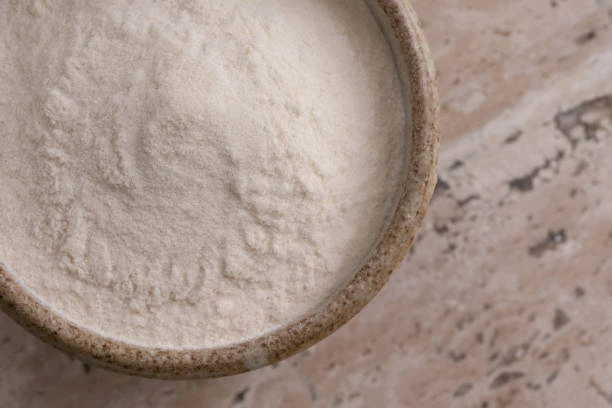
Xanthan Gum (E415)
Found this useful?