Asian Naphtha Cracking Margins Signal Shifting Regional Petrochemical Competitiveness
Asian Naphtha Cracking Margins Signal Shifting Regional Petrochemical Competitiveness
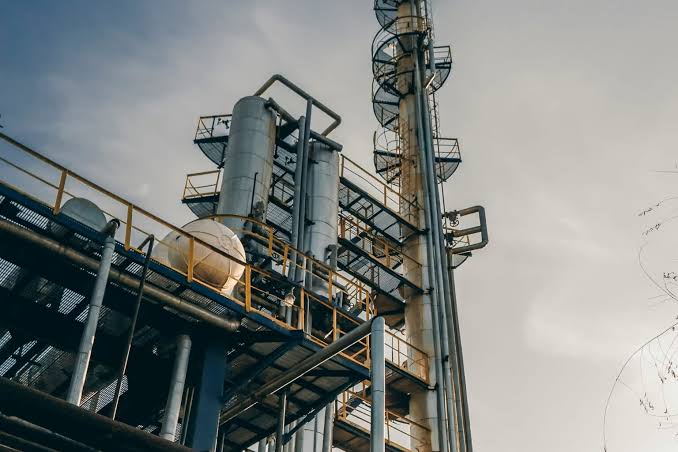
Naphtha cracking margins across Asia have remained under sustained pressure, frequently hovering near breakeven or in negative territory. The combination of elevated or volatile naphtha costs, ample olefin supply and only moderate downstream demand has compressed the ethylene–naphtha and related spreads that determine cracker profitability. These margin signals are now influencing operating rates, feedstock choices and longer-term capacity decisions, gradually altering the competitive ranking of different producers and countries within the region.
For much of the recent period, CFR Asia naphtha prices have kept cash costs elevated relative to achievable olefin values. When ethylene and propylene prices fail to keep pace, integrated and non-integrated naphtha crackers alike face weak or negative variable margins. Producers respond first by cutting run rates, deferring non-essential maintenance or maximizing any flexible feedstock advantage they hold. In markets such as South Korea, policy-backed discussions of structural capacity reduction have gained traction precisely because prolonged poor margins have made the existing overcapacity difficult to sustain.
Feedstock Flexibility and Regional Divergence
Not all Asian producers face identical economics. Crackers with access to imported ethane or other cost-advantaged feeds retain a clearer margin cushion than purely naphtha-based operators. China’s continued ability to bring in US ethane, alongside selective coal- or methanol-based routes, creates a more differentiated cost curve than existed when most regional capacity ran primarily on naphtha. Southeast Asian and Northeast Asian naphtha crackers without such flexibility are more exposed to every upward move in naphtha or downward drift in olefin prices.
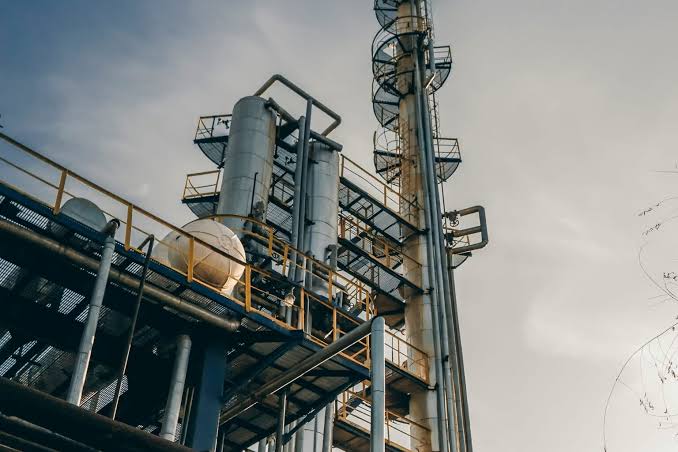
Derivative markets amplify the effect. When polyethylene, polypropylene and other downstream products also struggle with oversupply, the ability to recover costs further along the chain diminishes. Margin pressure therefore transmits from the cracker through the intermediate and polymer segments, encouraging integrated players to optimize across the full slate while stand-alone olefin producers face tougher choices.
Implications for Trade and Procurement
For buyers of olefins, intermediates and polymers, weak Asian naphtha cracking margins cut both ways. Lower operating rates can tighten spot availability and support prices in the short term; prolonged stress, however, raises the probability of permanent closures or consolidations that reshape long-term supply maps. Export offers from higher-cost producers may become less aggressive, while volumes from more competitive feedstock positions gain share.
Procurement teams are watching margin indicators as leading signals of potential supply adjustments rather than as purely academic spreads. Contract strategies that build in flexibility on origin and timing are better suited to an environment in which regional competitiveness is being reset by feedstock economics. Suppliers able to demonstrate structural cost advantages—whether through ethane, scale or integration—are relatively better positioned to defend utilization and customer relationships.
Asian naphtha cracking margins have become a clear barometer of shifting petrochemical competitiveness. Until olefin demand strengthens meaningfully or naphtha costs ease on a sustained basis, the region will continue to see selective rate cuts, feedstock substitution where possible, and growing pressure for structural capacity discipline among the highest-cost naphtha-based operators.
Alum
Found this useful?