Why the Naphtha-Ethylene Spread's August Bounce Doesn't Signal a Recovery Yet
For two days in early August, Asia's naphtha-ethylene spread did something it had not done since mid-June. It turned positive. That brief move, on August 5-6, followed nearly two months of negative readings stretching back to June 16, and it is tempting to read it as the start of a margin recovery. The data so far suggests otherwise.
For buyers tracking cracking economics across the region, this spread is worth understanding closely before drawing conclusions from one short-lived reading.
What the Spread Actually Measures
The naphtha-ethylene spread tracks the difference between ethylene prices and the cost of the naphtha feedstock used to produce it. When the spread is positive, crackers are theoretically covering their feedstock costs on that single input. When it is negative, they are not, at least not from naphtha pricing alone.
A positive spread does not automatically mean a cracker is profitable overall. Utility costs, other feedstock inputs and downstream product pricing all factor into actual margin.
Why the Two-Month Negative Run Happened
The negative stretch since June 16 lines up with a period of real pressure on Asian cracking economics. Weekly data from Chemical Market Analytics by OPIS showed spot production cash margins for northeast Asian naphtha crackers deep in the red through early July, with losses extending to over $300 per ton in the week ending July 9.
That pressure did not appear out of nowhere. Several factors compounded through the second quarter:
Feedstock cost volatility tied to renewed Middle East tensions kept naphtha pricing unpredictable even after an earlier tentative easing.
Regional overcapacity from new cracking additions, particularly in China, added downward pressure on ethylene pricing even as feedstock costs stayed elevated.
Cautious downstream demand meant crackers could not simply pass rising costs through to polyethylene and other derivative buyers.
What Changed in Early August
Asia's front-month naphtha price fell 11.5 percent on a weekly basis as of August 7, a steeper decline than the move in Brent crude over the same period. That drop in feedstock cost, more than any jump in ethylene pricing, is what pushed the spread briefly positive.

Why One Positive Reading Doesn't Mean a Trend
Weak petrochemical margins have weighed on naphtha sentiment for most of 2026, and that backdrop has not disappeared because of a two-day move. Industry sources continue to describe Asian cracking economics as pressured by lower operating rates and reduced output at multiple regional facilities.
South Korea's own capacity picture illustrates the fragility here. Planned turnarounds, delayed start-ups and active consolidation are already reducing regional flexibility heading into the fourth quarter, leaving less room to absorb any renewed feedstock shock.
Points worth weighing before treating the August reading as a turning point:
Duration matters. Two days of positive spread against roughly eight weeks of negative readings is not yet a pattern.
The driver matters. A feedstock price drop is not the same signal as strengthening ethylene demand.
Structural overcapacity hasn't resolved. Regional cracker rationalization plans remain in progress, not complete.
What Procurement Teams Should Watch Next
Buyers sourcing ethylene derivatives should treat the August 5-6 reading as one data point to monitor rather than a signal to change sourcing strategy. A sustained run of positive spread readings over several consecutive weeks would carry more weight than a brief move tied to a single sharp naphtha price drop.
Practical next steps for procurement teams:
Track weekly spread data rather than single readings to distinguish noise from an actual trend.
Watch naphtha pricing separately from ethylene pricing to understand which side of the spread is driving any future movement.
Stay alert to South Korean cracker schedules, since planned maintenance there could tighten regional supply again regardless of feedstock cost direction.
The Bottom Line for Buyers
The naphtha-ethylene spread's brief positive turn in early August reflects a sharp naphtha price drop more than a genuine recovery in cracking economics. Nearly two months of negative readings, backed by triple-digit weekly losses in July, represent a far more durable signal than two days of relief.
Buyers should keep watching the spread through the rest of Q3, but treat the current reading as a pause in a difficult stretch rather than the start of a new trend.
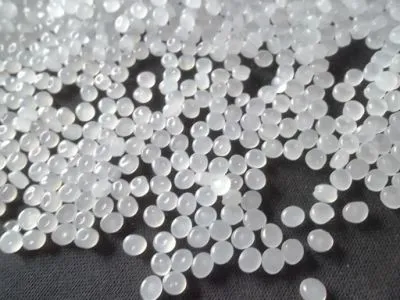
Low Density Polyethylene (LDPE)
Found this useful?