Automotive Demand & Chemical Industry Outlook | Procurement Intelligence | ChemicalsBlog.com
Chemical Markets
schedule5 Min Read
Automotive Demand Uncertainty and Its Ripple Into Chemical Output Forecasts
terminal
prodchem
Jul 16, 2026
The automotive industry remains one of the world's largest consumers of industrial chemicals.
From lightweight plastics and engineering polymers to coatings, adhesives, coolants and battery materials, modern vehicle production depends on a highly integrated chemical supply chain.
When vehicle sales growth slows or production levels stabilise, the effects extend far beyond automobile manufacturers.
For procurement professionals, automotive demand remains one of the most important indicators for forecasting chemical consumption.
Why Automotive Production Matters
A single vehicle contains hundreds of kilograms of chemical-derived materials.
Major chemical categories include:
Polyurethane foams.
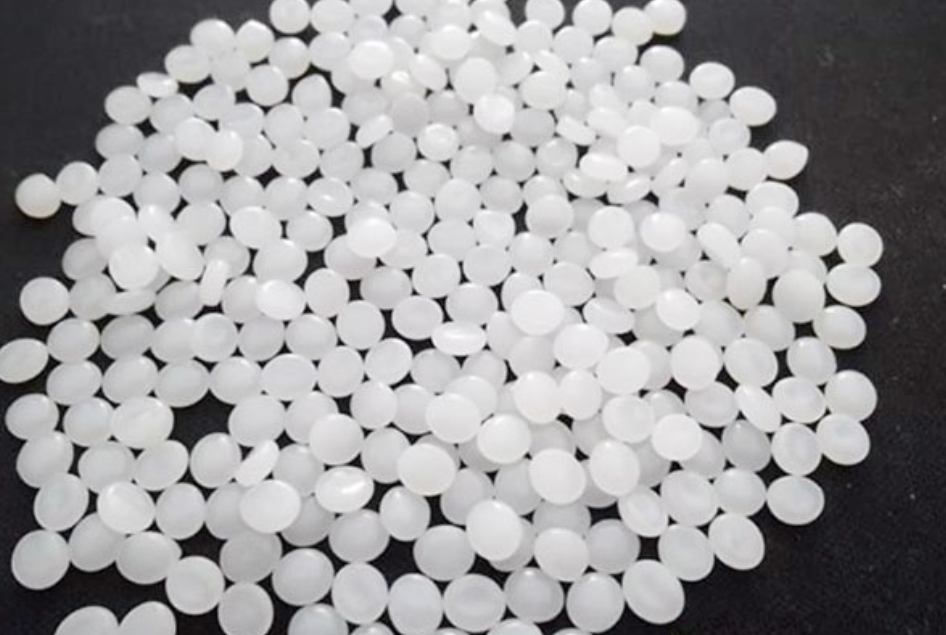
Polypropylene components.
Ethylene glycol-based coolants.
Epoxy resins.
Engineering plastics.
Paints and coatings.
Adhesives and sealants.
Synthetic rubber.
As vehicle production changes, demand for these materials typically changes as well.
Stable Vehicle Sales Create Moderate Chemical Demand
Flat vehicle sales do not necessarily indicate declining production.
Instead, they often suggest:
Slower manufacturing growth.
More balanced inventory levels.
Stable component demand.
Moderate raw material consumption.
Cautious capital investment.
For chemical producers, this generally supports stable rather than rapidly expanding demand.
Electrification Is Changing the Chemical Mix
While overall vehicle sales may remain relatively steady, the composition of chemical demand continues to evolve.
Growth areas include:
Battery materials.
Thermal management fluids.
Lightweight composite materials.
Electronic encapsulation resins.
High-performance engineering plastics.
Meanwhile, demand growth for some traditional automotive materials may become more moderate as vehicle design evolves.
Automotive Demand Influences Multiple Chemical Markets
Vehicle manufacturing supports demand across numerous chemical value chains, including:
Petrochemicals.
Specialty polymers.
Industrial coatings.
Lubricants.
Battery chemicals.
Industrial gases.
Composite materials.
Monitoring automotive production therefore provides valuable insight into future industrial chemical demand.
Procurement Should Monitor Automotive Indicators
Useful indicators include:
Vehicle production volumes.
New vehicle registrations.
EV adoption rates.
Supplier inventories.
Automotive manufacturing PMI.
Production schedules.
Component demand.
Together, these indicators help procurement teams anticipate changes in downstream chemical consumption.
Automotive Suppliers Are Adjusting to a More Mature Market
With vehicle demand expected to remain relatively stable, automotive manufacturers are increasingly shifting their focus from expanding production volumes to improving efficiency, reducing costs and accelerating innovation.
Key industry priorities include:
Lightweight vehicle design.
Higher material efficiency.
Electrification.
Sustainable materials.
Manufacturing automation.
Supply chain resilience.
These priorities continue to create opportunities for advanced specialty chemicals even as overall vehicle production growth moderates.
Chemical Demand Will Vary by Product Category
Not all automotive chemicals will experience identical demand patterns.
For example:
Commodity Chemicals
Polypropylene (PP).
Polyethylene (PE).
Ethylene glycol.
PVC.
Synthetic rubber.
These products generally follow overall vehicle production volumes.
Specialty Chemicals
Battery electrolytes.
Thermal interface materials.
Electronic encapsulants.
High-performance coatings.
Structural adhesives.
Composite resins.
Demand for these materials is increasingly influenced by electrification, autonomous technologies and advanced electronics rather than vehicle volumes alone.
Procurement Should Monitor Multiple Automotive Indicators
Vehicle sales alone provide only part of the picture.
Procurement organisations should also monitor:
Vehicle production schedules.
EV market penetration.
Automotive inventory levels.
Battery manufacturing capacity.
Semiconductor availability.
Supplier capacity utilisation.
Automotive capital investment.
Combining these indicators provides a more accurate assessment of future chemical demand.
Procurement Priorities for H2 2026
As automotive demand remains relatively stable, procurement teams should:
Track vehicle production rather than retail sales alone.
Monitor EV adoption and battery manufacturing investments.
Review supplier exposure to traditional and electric vehicle platforms.
Diversify sourcing across automotive chemical suppliers.
Evaluate demand separately for commodity and specialty chemical segments.
Align procurement planning with automotive production forecasts.
Integrate automotive market intelligence into long-term sourcing strategies.
These actions improve procurement resilience while supporting more accurate demand forecasting across automotive-related chemical markets.
Looking Ahead to H2 2026
Relatively flat light-vehicle sales forecasts for 2026 suggest that the automotive industry may contribute to stable rather than rapidly expanding chemical demand. Since automotive manufacturing is one of the largest consumers of polymers, coatings, engineering plastics, coolants and specialty materials, production trends remain an essential indicator for chemical procurement planning. However, the composition of demand continues to evolve as manufacturers invest more heavily in electrification, advanced electronics and lightweight vehicle technologies.
For procurement professionals, the automotive sector should no longer be viewed as a single demand driver. Traditional commodity chemicals will continue to reflect overall production volumes, while specialty chemicals increasingly benefit from structural growth associated with electric vehicles, battery systems, semiconductor content and advanced manufacturing. Understanding this distinction enables more targeted procurement strategies and better supplier evaluation.
The key lesson for H2 2026 is that the automotive industry's influence on chemical demand is becoming increasingly driven by technology mix rather than production volume alone. Procurement organisations that integrate automotive production forecasts, EV adoption trends, battery supply chain intelligence and specialty chemical market analysis will be better positioned to optimise sourcing decisions and support resilient manufacturing operations.
Ready to source automotive-grade polymers, specialty chemicals and advanced industrial materials from verified global manufacturers? Explore competitive offers on our platform today.