
Automotive Powder Coatings Market to Reach $3.59 Billion by 2031
The global automotive powder coatings market is projected to grow from $2.78 billion in 2026 to $3.59 billion by 2031, according to MarketsandMarkets. The forecast points to a steady specialty coatings growth trajectory as automotive manufacturers and component suppliers continue to seek durable coating solutions for demanding applications.
For chemical traders, procurement managers and industrial buyers, this expansion creates a market where coating performance, raw material availability and supply reliability can influence purchasing decisions. Powder coatings also connect automotive demand with broader markets for resins, pigments, additives and other coating ingredients.
The projected increase to $3.59 billion by 2031 signals a market worth monitoring across automotive manufacturing hubs and chemical supply chains.
Why Automotive Powder Coatings Are Gaining Market Attention
Powder coatings provide a dry finishing system that manufacturers can apply to metal surfaces before curing the coating into a durable protective layer. Automotive applications can use these coatings across components where surface protection, appearance and resistance to operating conditions matter.
The market's projected expansion reflects the continuing role of specialty coatings in automotive production. As vehicle manufacturers and component producers manage quality requirements, coating suppliers need to maintain consistent product performance while supporting competitive production costs.
Several factors make powder coatings commercially relevant for automotive supply chains:
Durability requirements: Automotive components need finishes that can withstand mechanical wear and environmental exposure during service.
Industrial efficiency: Powder coating processes can support high-volume manufacturing environments where consistent finishing quality remains important.
Material demand: Growth in coating volumes can increase purchasing requirements for resins, pigments, additives and other formulation components.
Specialty applications: Different automotive components can require coatings with specific surface, protection or appearance characteristics.
For traders, these requirements create opportunities beyond the finished coating itself. Raw material sourcing can become an important part of serving manufacturers and coating formulators as the market expands.
The $3.59 Billion Forecast and What It Means for Buyers
The projected increase from $2.78 billion in 2026 to $3.59 billion in 2031 represents an increase of approximately $810 million over the five-year period. That trajectory indicates sustained market expansion rather than a short-term demand spike.
For procurement teams, a growing market can change the balance between price, availability and supplier relationships. Buyers may need to evaluate whether existing suppliers can support higher volumes while maintaining consistent specifications and delivery schedules.
The forecast also gives chemical traders a useful signal when assessing inventory and sourcing strategies. Rising demand for automotive powder coatings can translate into additional requirements throughout the upstream chemical supply chain.
A procurement strategy focused only on today's purchase price may therefore overlook longer-term supply considerations. Buyers can benefit from comparing suppliers based on:
Product consistency and specification control.
Production and export capacity.
Packaging and shipment reliability.
Lead times for repeat orders.
Ability to support changing volume requirements.
Raw Materials Could Shape Automotive Coatings Procurement
Powder coating formulations rely on multiple chemical inputs, and the performance of the final coating depends on how those components work together. Resins, pigments, curing materials and functional additives can each influence characteristics such as adhesion, appearance, hardness and resistance.
For chemical buyers, this means automotive powder coatings should be viewed as part of a wider specialty chemicals ecosystem. Demand growth in the finished market can affect purchasing patterns for several upstream materials at the same time.
Titanium dioxide, for example, plays an important role as a white pigment in many coating formulations. Its relevance to coatings makes pigment availability and pricing an important consideration for manufacturers producing formulations where whiteness and opacity matter.
Other raw material categories can create similar procurement considerations:
Resins: These form the foundation of many powder coating systems and influence film properties and application performance.
Pigments: Pigments determine color and can affect opacity and other visual characteristics.
Curing components: These support the transformation of the applied powder into the finished coating film.
Functional additives: Additives can help formulators achieve targeted processing or performance characteristics.
As the automotive powder coatings market expands, buyers across these categories may see opportunities to build longer-term supply relationships with manufacturers and distributors.

Automotive Applications Create Diverse Demand Channels
Automotive powder coatings can serve multiple component and finishing requirements, giving the market a broader demand base than a single vehicle application. This diversity can help suppliers reach manufacturers, component producers and industrial finishing operations.
Applications can include metal components where manufacturers need a combination of surface protection and an attractive finish. Wheels, chassis-related components, underbody parts and other metal assemblies can represent potential application areas depending on coating specifications.
Demand also varies according to vehicle production, component design and manufacturing processes. Changes in automotive production volumes can therefore influence coating consumption across different parts of the supply chain.
For chemical traders, understanding these demand channels can help identify customers beyond major vehicle manufacturers. Component producers and specialist coating companies can represent important buyers because they often purchase coating materials or chemical inputs directly.
Regional Supply Chains Will Matter as the Market Expands
The automotive sector operates through interconnected global supply chains, with vehicle manufacturers depending on extensive networks of component suppliers and chemical producers. Powder coating demand therefore connects automotive production with regional chemical markets.
Procurement teams often need to balance local availability against the commercial advantages of international sourcing. Imported material may offer competitive pricing or access to specific grades, while local suppliers may provide shorter lead times and simpler logistics.
The right sourcing strategy can depend on order volume, technical specifications, freight economics and delivery requirements. Buyers should assess the complete landed cost rather than comparing supplier quotations on unit price alone.
For exporters and chemical traders, the expanding market may create opportunities to serve regions where automotive component manufacturing continues to generate demand for specialty coatings. Maintaining reliable logistics and clear product documentation becomes increasingly important as transaction volumes grow.
Supply Risks Can Affect Coating Material Costs
Growth does not automatically remove supply chain risks. Automotive powder coatings depend on chemical inputs that can experience changes in production costs, energy expenses, transportation conditions and availability.
A disruption affecting one important raw material can influence formulation economics even when demand for the finished coating remains strong. Buyers therefore need visibility across multiple stages of the supply chain.
Procurement teams can reduce exposure by building a more structured sourcing approach:
Diversify suppliers: Multiple qualified sources can reduce dependence on a single producer or trading route.
Monitor upstream markets: Tracking relevant chemical markets can provide earlier signals of potential cost changes.
Plan repeat requirements: Forward purchasing can become more useful when demand and lead times show sustained growth.
Review specifications carefully: Alternative grades should only enter consideration when they meet the required technical and application standards.
Strengthen supplier communication: Clear forecasts can help suppliers prepare inventory and production capacity for recurring requirements.
These measures become particularly relevant when a growing market encourages manufacturers to increase purchasing volumes.
What the Market Outlook Means for Chemical Traders
The projected growth to $3.59 billion by 2031 gives chemical traders a clear reason to watch automotive coatings more closely. A larger specialty coatings market can create demand opportunities across both finished coating products and their upstream raw materials.
Traders can position themselves by understanding which coating inputs customers purchase, how frequently they reorder and which specifications matter most for their applications. This knowledge can support more targeted sourcing rather than relying solely on spot-market opportunities.
The strongest opportunities may come from connecting reliable producers with buyers that require consistent material over multiple purchase cycles. Competitive pricing remains important, but supply continuity can become equally valuable when manufacturers operate under tight production schedules.
For exporters, the market also highlights the importance of documentation, packaging quality and shipment planning. Automotive customers generally need dependable supply, particularly when coating materials form part of an established manufacturing process.
Procurement Strategies for a Growing Powder Coatings Market
As the market moves toward the projected 2031 value, procurement teams can treat automotive powder coatings as a category requiring both short-term price management and longer-term supply planning.
A practical purchasing strategy should focus on four priorities:
1. Map the raw material chain.
Identify the key chemical inputs behind the required coating formulation and understand where supply concentration could create risk.
2. Compare total sourcing economics.
Evaluate material price alongside freight, packaging, lead time, payment terms and potential supply interruptions.
3. Build qualified alternatives.
Maintain relationships with more than one suitable supplier where specifications and commercial conditions allow.
4. Track demand signals.
Monitor automotive production activity and coating market developments to anticipate changes in purchasing requirements.
These steps can help buyers respond more effectively as the specialty coatings market expands. They also give traders a clearer framework for matching available chemical supply with customer requirements.
Looking Ahead to 2031: Opportunities Across the Coatings Supply Chain
The automotive powder coatings market is projected to grow from $2.78 billion in 2026 to $3.59 billion in 2031, establishing a steady growth path for this specialty coatings segment. For the chemical industry, the opportunity extends beyond coating manufacturers to suppliers of pigments, resins, additives and other formulation materials.
The market outlook suggests that procurement teams should prepare for evolving volume requirements while maintaining close control over quality and supply reliability. Chemical traders and exporters that understand these requirements can develop stronger relationships with automotive coating customers and upstream producers.
For buyers, the key opportunity lies in securing dependable sources before growth places additional pressure on supply chains. Ready to source Titanium Dioxide from verified global suppliers? Explore competitive offers on our platform today.
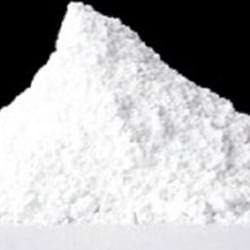
Titanium Dioxide
Found this useful?